
How State and Local Leaders Are Responding to ICE: Your Questions Answered
How are states restricting ICE activity? Can local prosecutors charge federal officers? How can local leaders prepare for ICE deployments? We provide answers about local responses to the immigration crackdown.
| March 5, 2026
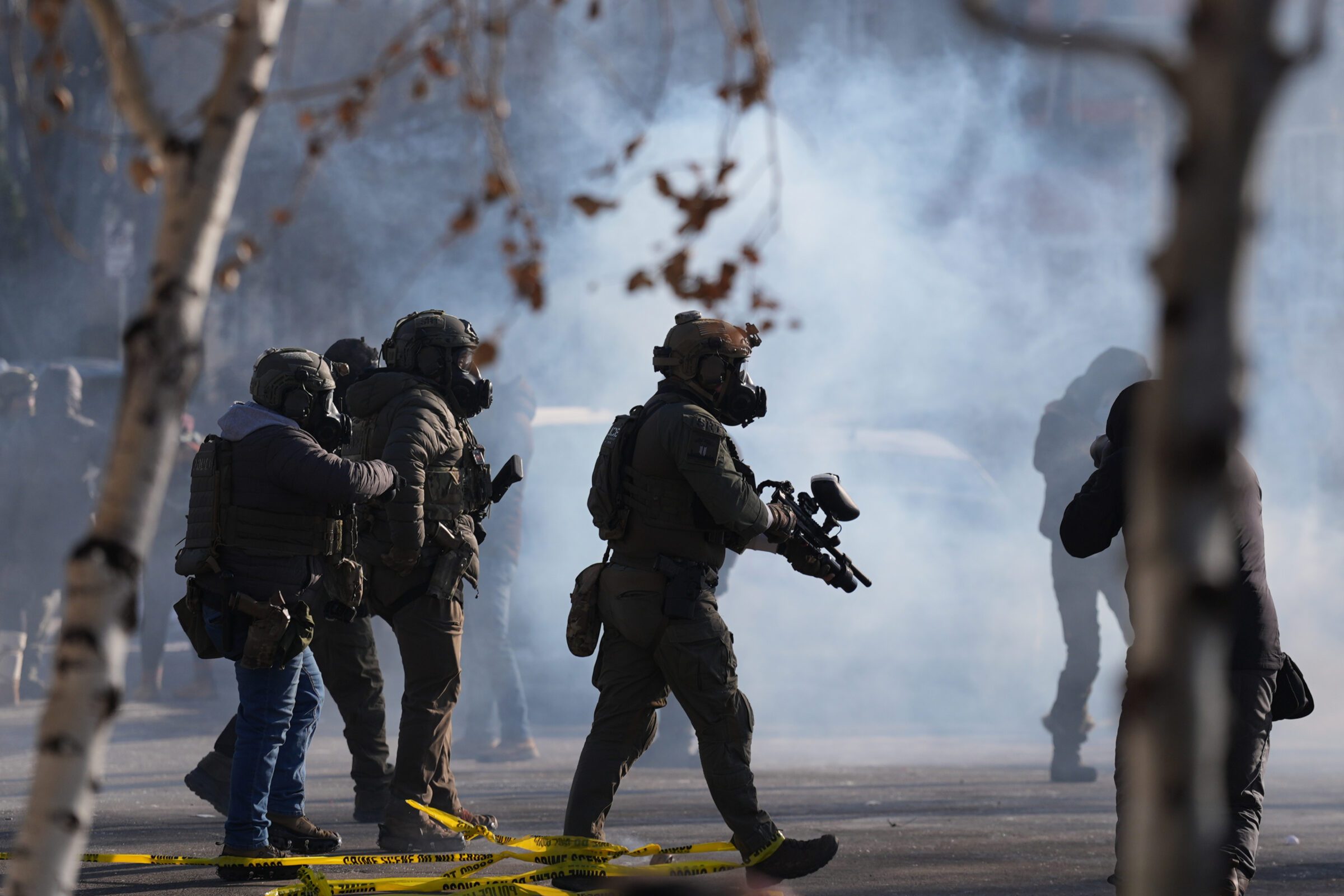
The violence of Trump’s immigration crackdown in cities across the country and the killing of protesters by federal agents have put pressure on local leaders to change their approach to federal immigration enforcement.
Already, a growing list of states has moved to restrict local collaboration with ICE, and in many local criminal justice elections this year, assisting federal immigration authorities has become a defining issue.
We asked our readers to send us their questions about state and local responses to the federal immigration crackdown as part of our ongoing series “Ask Bolts.” With the help of our entire staff, we respond to nine of those questions below.
Jump to the topic that interests you most, or keep scrolling to explore all nine questions.
How are state and local governments helping ICE?
How can state governments restrict ICE?
Read on to learn more about local responses to federal immigration enforcement, and look back at previous installments of “Ask Bolts.”
For more stories on immigration
Sign up to our newsletter
How are state and local governments helping ICE?
Are there any local governments that are not fighting ICE—but actually doing the opposite, such as by providing police assistance and using city data to locate undocumented people? Has there been any pushback to those efforts? — Laila
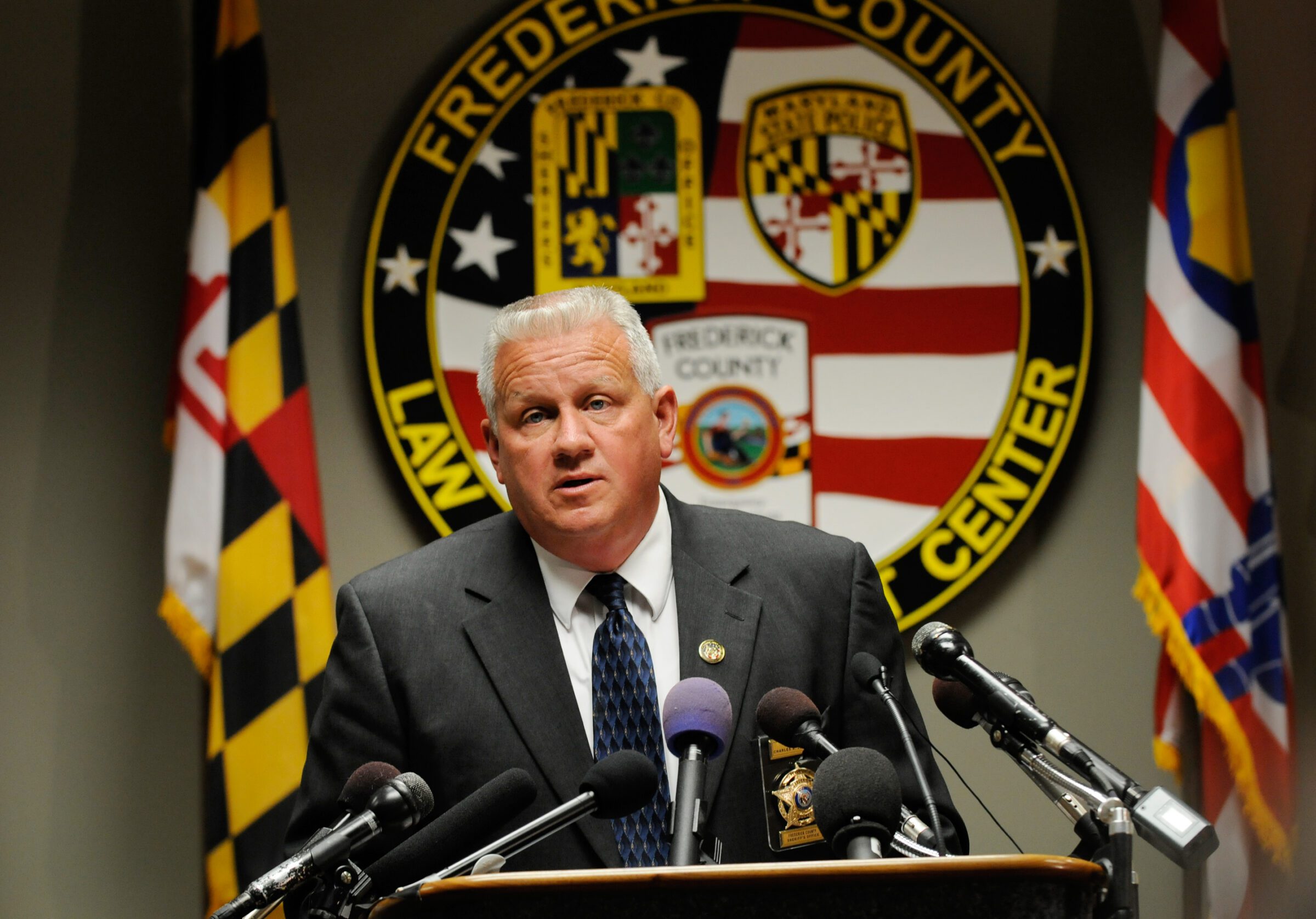
Some local sheriffs have long stood out for how aggressively they go after immigrants, even in counties that voted against Trump. Consider Chuck Jenkins, the longtime sheriff of Frederick County, Maryland, who has for years worked hand-in-hand with ICE to deport people out of his rapidly diversifying county. Jenkins won his reelection narrowly four years ago after increasing local pushback to his tactics, and faces reelection again this fall.
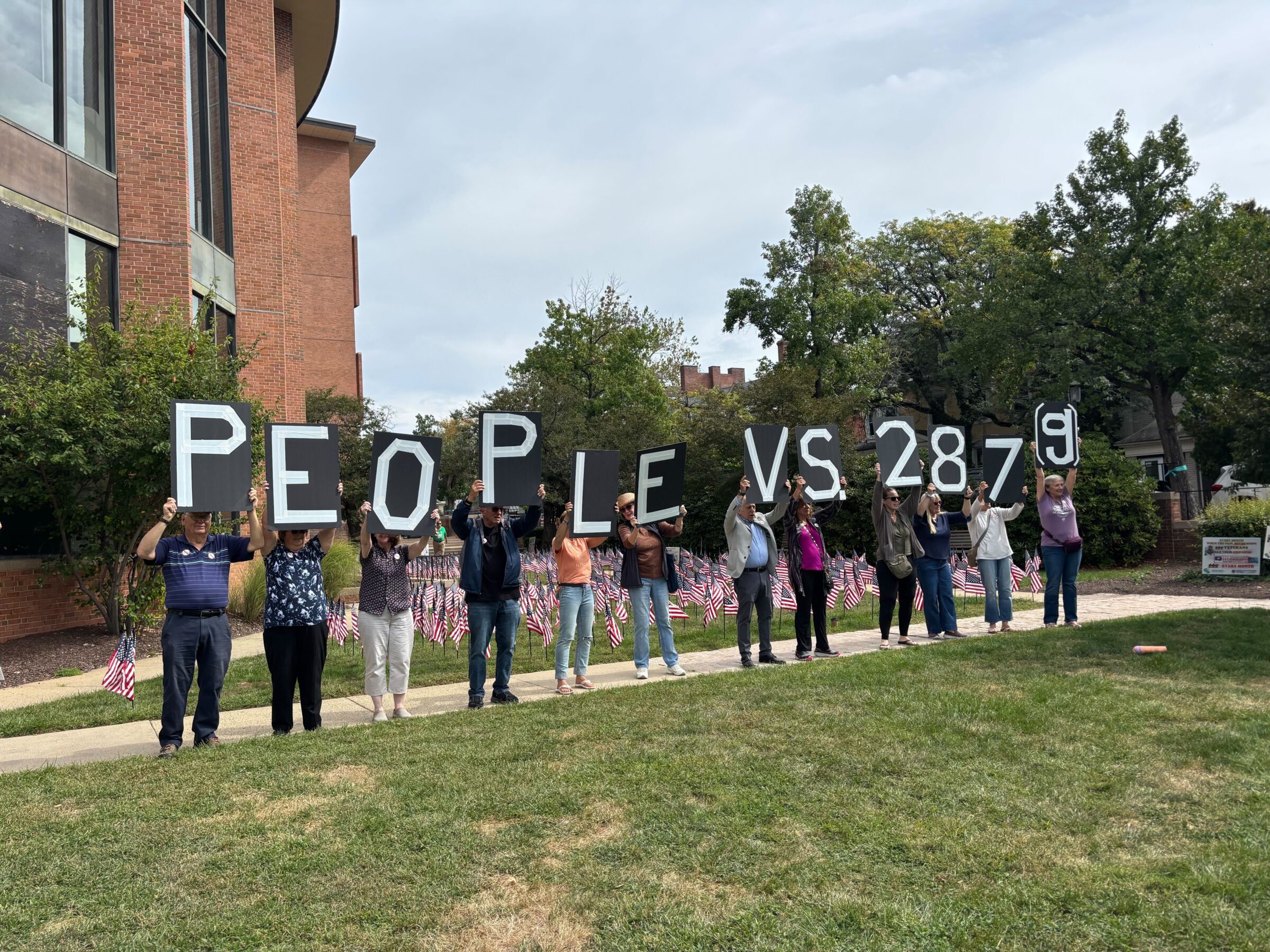
Since Trump’s return to power, sheriffs and local police agencies across the country have flocked to join the federal 287(g) program, which has in turn dramatically increased the number of local officers who are deputized to now help enforce immigration laws. Many have also entered into new contracts with federal authorities to hold immigrants in local jails in exchange for money.
Meanwhile, many red states have effectively forced local law enforcement officials to more closely cooperate with ICE.
Last year, Texas passed a law requiring that nearly all sheriffs in the state join the 287(g) program. In Florida, which already enacted a law in 2022 requiring local police to participate in the program, GOP officials went even further last year, creating new state board to monitor whether local officials are complying with Trump’s deportation agenda—giving Governor Ron DeSantis more ammunition to go after local leaders and potentially remove them from office, a power he’s already used in recent years to get rid of local officials who disagree with him. And a new law that took effect in Louisiana last year established criminal penalties for local law enforcement officials who decline to cooperate with requests from ICE—which has increased concerns that local police resources, even in liberal cities, could now easily be co-opted for immigration enforcement. Lawmakers in South Carolina and Iowa are advancing similar bills this year.
Red states are also helping with ICE operations in other, more direct ways, including by offering up state agencies to assist with immigration enforcement. Melissa del Bosque, a journalist who has long investigated the deadly consequences of state police working with the feds to militarize border communities, recently reported how Tennessee officials paired state troopers with ICE to assist with a dragnet that terrorized immigrants in Nashville last May.
While most of ICE’s partnerships with state agencies are predictably in GOP-run states, Bolts recently reported on the one agency in a state controlled by Democrats that currently partners with ICE’s 287(g) program: Massachusetts’ prison system, which releases prisoners who finish their sentences into deportation proceedings at ICE’s request. Even as the state’s Democratic leaders seek to ban other forms of ICE collaboration in Massachusetts, they’ve defended the prison system’s agreement as a defensible way to go after “the bad guys.” — Michael Barajas, managing editor
Are there ways to find out if your police department (in my case, the City of Atlanta) is coordinating with ICE? — Todd, from Georgia
Some forms of coordination between ICE and local police departments are formal, public agreements. Those are easy enough to find; ICE, for instance, has published the names of around 1,500 agencies across the country that have joined the 287(g) program. And while the Atlanta Police Department isn’t one of them, many agencies in the Atlanta metro area are participants, including the Marietta Police Department, less than an hour northwest of Atlanta.
Many agencies also have contracts to hold detainees for ICE—you can check if your area has such contracts on this database maintained by the Prison Policy Initiative.
But other forms of cooperation are more subtle and ubiquitous. Uncovering these relationships and understanding how they work in practice can require some extra sleuthing, such as records requests or deeper analysis of publicly available data.
For example, when a person is arrested or booked into jail, most law enforcement agencies will run their name and fingerprints through state and federal databases to obtain their criminal histories. Doing so automatically notifies ICE’s Law Enforcement Support Center, allowing ICE to send requests that the jail or detention facility where the person was booked hold them for up to 48 hours so that ICE can take them into custody. While most jails typically honor these requests, many do not. The Atlanta City Jail, for instance, did not comply with detainer requests until 2024, when Georgia legislators passed HB 1105, which requires that agencies honor them. The Deportation Data Project has compiled data on detainers for most of the past two years, offering a detailed picture of which agencies receive these requests and how they respond.
As police rely more on electronic surveillance technologies, the risk of sensitive information falling into the hands of ICE has grown. The Atlanta Police Department has publicly denied cooperating with ICE, but an investigation by the Atlanta Press Collective in November found that the department had searched automated license plate readers in the city on behalf of ICE on at least 15 occasions last year. These searches were documented in the department’s “Flock audit,” which reporters obtained through a public records request. Flock Safety, which says it has built the country’s largest network of license plate readers, has contracts with more than 5,000 agencies across the country.
Finally, even when a police department has no formal cooperation with ICE, many police departments have responded to emergency calls from ICE agents. Leaders of these agencies have justified their actions as necessary for maintaining public safety, but critics have accused them of assisting ICE’s deportation efforts, sometimes in violation of local policies forbidding cooperation with ICE. In many jurisdictions, 911 call records are subject to public records laws, providing journalists and citizen watchdogs with a critical tool for tracking ICE activity. — Ethan Corey, research editor
How can state governments restrict ICE?
What’s the state with the most thorough law to stop the state helping ICE and is it strong enough that it should be used elsewhere? — Peter, from New York
Many states have enacted laws that limit police agencies from helping federal immigration agents arrest and deport people, but some have carveouts, exceptions and workarounds that still allow officers to contact ICE.
Most immigration arrests have historically involved people detained briefly at a county jail, but ICE can typically only make those arrests if local law enforcement agrees to delay a person’s release to turn them over to federal agents. States that limit jails from doing this have dramatically reduced deportations, research published by the Prison Policy Initiative showed recently, but the protection has rarely been air-tight.
California was one of the first states to restrict jails from handing people over with the 2013 TRUST Act, but some sheriffs skirted the new law by notifying ICE of release dates, times, and locations so that federal agents could still arrest people once they left the jail. That loophole was closed with the 2017 California Values Act, which now restricts local officers from sharing information with federal agents. Still, it does not protect people charged or convicted of certain crimes, including most people serving in the state’s prison system, said Angela Chan, assistant chief public defender for San Francisco, who helped design the 2017 law.
“The issue here is that corrections officers are not only responding to ICE inquiries on people in their custody, they are actively racially profiling people and then notifying ICE and asking ICE to arrest people if they appear, fully based on racial profiling, to be an immigrant,” Chan said.
The strongest protections are those that apply broadly and without carveouts, like the 2017 Illinois Trust Act, which only allows police to transfer someone into federal custody if they are provided a criminal warrant signed by a federal judge. Illinois added to those protections with the 2021 Way Forward Act, which also forbids state and local officers from asking about immigration status and bans ICE from leasing space in Illinois jails and prisons for immigrant detention.“It completely separates the immigration system from the criminal system. So once an individual serves their time and they’ve earned release, that’s it. They’ve earned release,” Chan said of Illinois’ protections, which she wants California to emulate. “No one singled-out or pulled out of that release line because of where they happen to be born.” — Pascal Sabino, staff writer
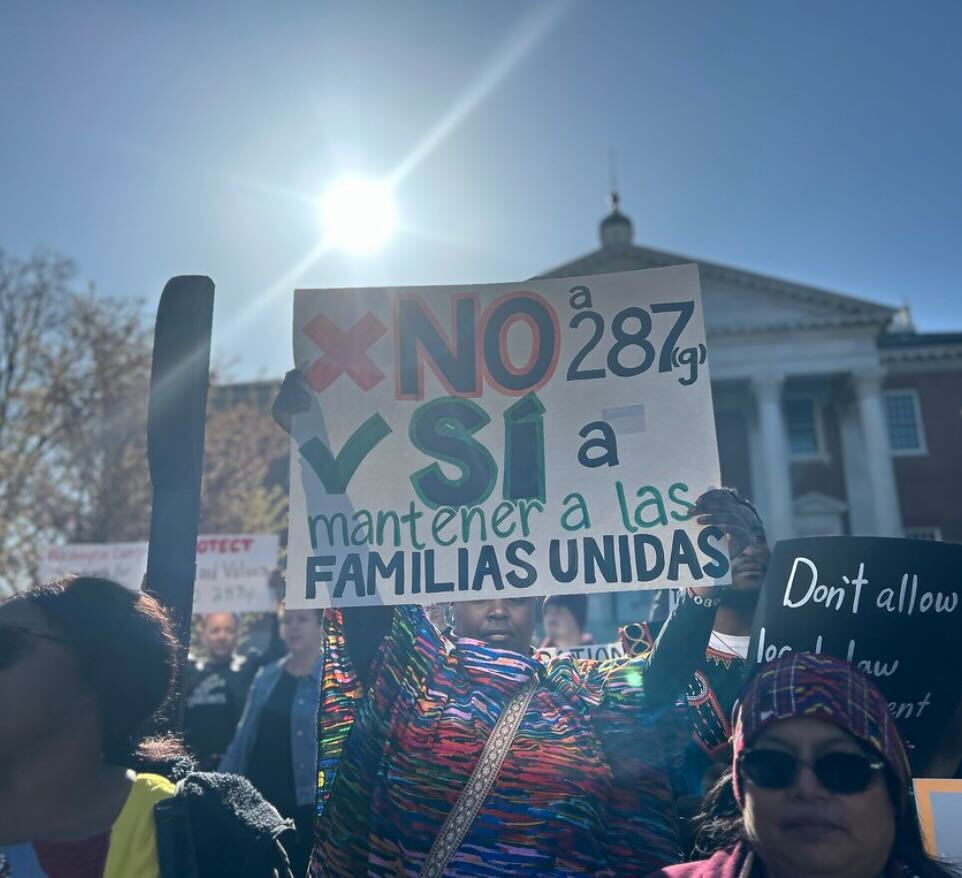
My county is one of the counties in 287(g). What can I call on my state officials/governor to do to force our sheriff out of the agreement? — Tara, from New York
State governments can simply ban their local sheriffs from joining ICE’s 287(g) program, and force those that are already in it to quit; Bolts recently reported that 10 states governed by Democrats have implemented just such a ban over the last decade, most recently Maryland and New Mexico last month.
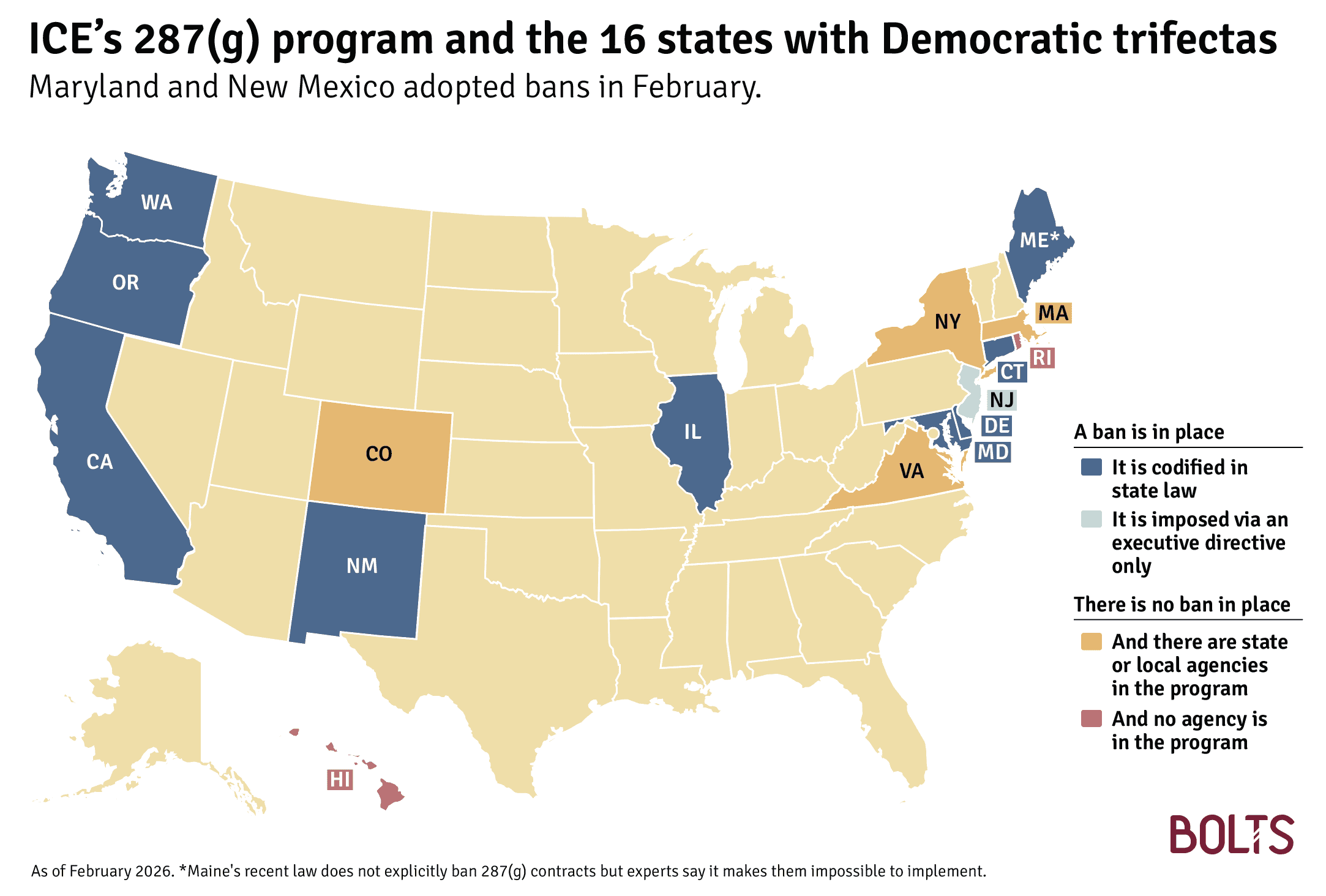
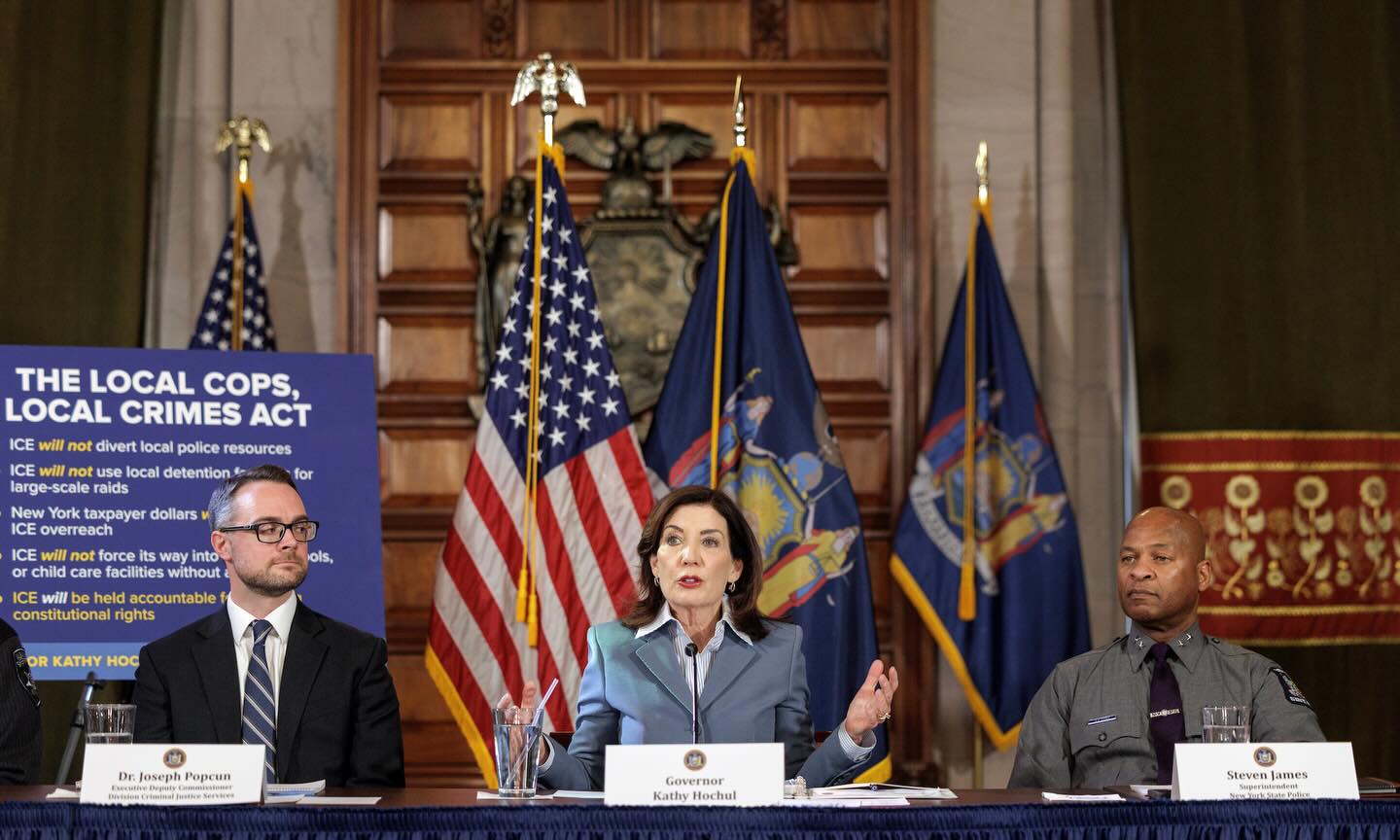
Only six Democratic-run states lack such a ban, and four currently have some law enforcement agency participating in 287(g)—including some sheriffs in your state of New York. Bills to ban participation in the program have stalled there for years. Governor Kathy Hochul endorsed a version of the legislation earlier this year, but her proposal would prohibit it only through the end of Trump’s presidency, ending in 2029.
And in states that haven’t passed a ban on 287(g), immigrants’ rights advocates have had some success in championing local sheriff’s candidates who promise to terminate the program. — Daniel Nichanian, editor-in-chief
Can states pass legislation to bar ICE/CBP from entering hospitals, schools, courthouses, etc? Would feds have to abide by it? — Linds, from Massachusetts
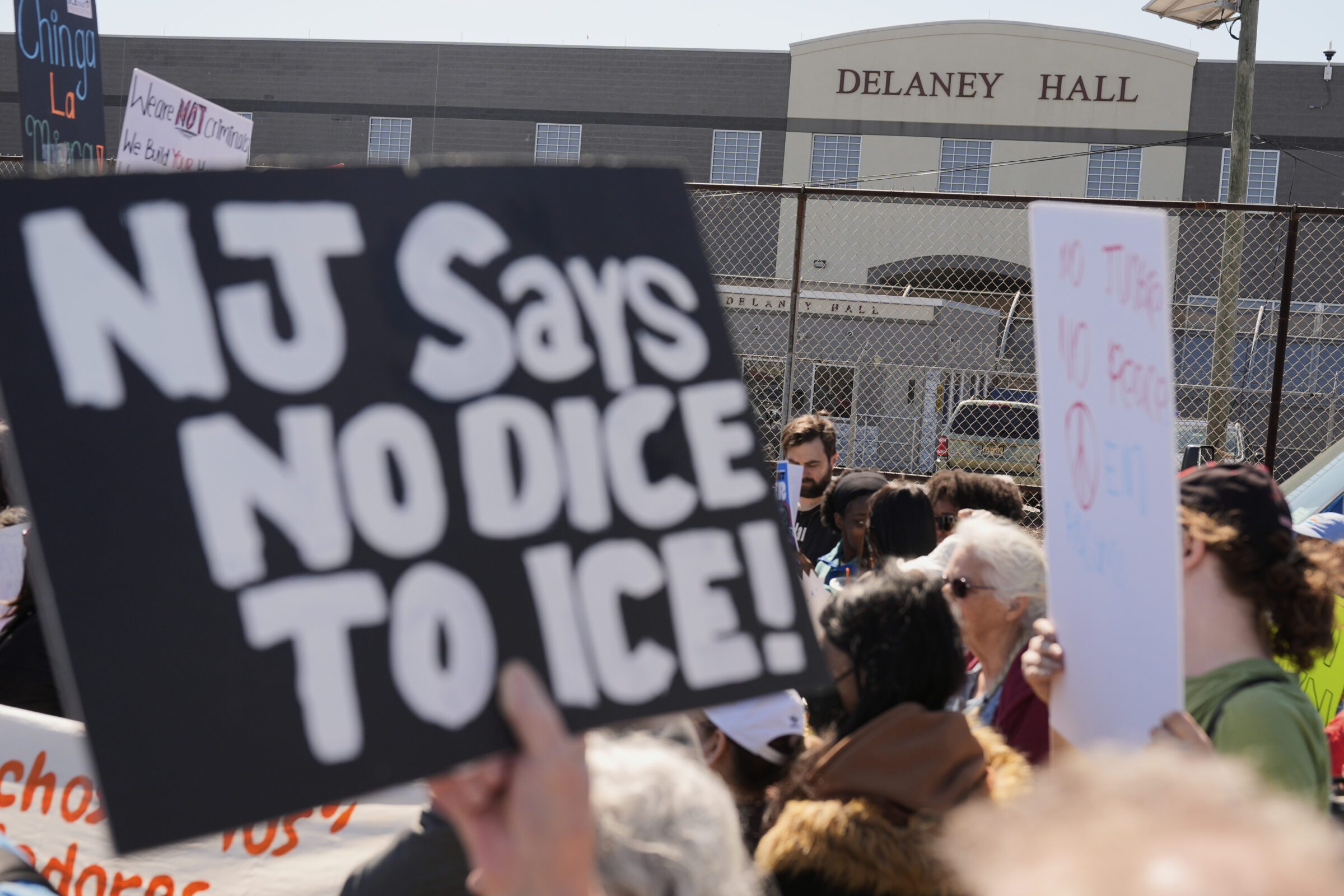
A growing number of states have already passed or are trying to pass legislation prohibiting federal immigration enforcement agents from entering certain protected spaces. In January, New Jersey lawmakers passed The Safe Communities Act, which instructs the attorney general to develop policies to limit immigration enforcement in a long list of “sensitive locations”—including health care facilities, public schools, domestic violence shelters, emergency shelters, family shelters, youth shelters, food pantries, funeral homes, harm reduction sites, disaster and emergency response sites, social service offices, correctional facilities, and courthouses—to ensure that people “are not deterred from seeking services.”
Massachusetts Governor Maura Healey last month introduced similar legislation, pointing to declining school enrollment resulting from immigrant families fearing ICE operations in schools. New York Governor Kathy Hochul also recently introduced a bill aimed at protecting New Yorkers in sensitive locations. In California, which has protected its residents in those spaces since the California Values Act took effect in 2018, a new bill filed in February would expand those protections to bar ICE agents from operating within 200 feet of polling places or other local elections offices.
The new wave of attempts to ban ICE from certain places comes after Trump rolled back a Biden-era memo banning ICE from operating in sensitive locations.
Ami Kachalia, campaign strategist for the ACLU of New Jersey, says that any policies resulting from the Safe Communities Act should ensure that ICE is restricted from these non-public spaces unless agents present a judicial warrant.
Still, whether ICE would abide by such restrictions or how agents might try to sidestep them remain pressing questions for states trying to curtail ICE activity around sensitive locations.
According to Kachalia, other strategies for lawmakers include creating “training and enforcement mechanisms to ensure that employees in such areas do not voluntarily allow access or share information in violation of state laws.” — Lauren Gill, staff writer
Living in Colorado, I might ask about what the governor and attorney general are doing about ICE. I suspect that lacking very specific legislation, the response to ICE comes to counties and sheriffs? How does that compare with other states that aren’t so freakishly dedicated to local control? — Tom, from Colorado
It’s true that politicians in Colorado talk constantly about the importance of local control. Their allegiance to this idea has empowered cities and counties, and thwarted countless pieces of proposed statewide legislation over the years. But the state government has still been willing to override local control when doing so suits certain policy desires—including in the immigration enforcement context.
Since Democrats won total control of state government in 2018, Colorado has, among other immigration-related reforms, banned local governments from arresting or jailing someone on the basis of a civil immigration detainer—which is an administrative request by federal immigration to detain someone, but not a judicial warrant. The state also banned local governments from entering into contracts with ICE to warehouse immigrant detainees and forced local governments to provide and honor housing benefits for all non-citizens.
But some immigrants’ rights advocates are frustrated that Colorado has not gone as far as other blue states in protecting immigrant residents from ICE’s reach. In one of his first acts as governor, in 2019, Jared Polis threatened a veto of a bill to ban 287(g) contracts in Colorado, and more recently, in Trump’s second term, Polis has supported cooperation with ICE, including data-sharing. This year—Polis’ final one in office—state lawmakers are pushing for new proposals such as a bill to bar local governments from hiring anyone who works or has worked as an ICE or Border Patrol agent.
Federal immigration enforcement also maintains a large presence in Colorado via the notorious ICE detention facility in Aurora, over which state and local leaders have tried and mostly failed for many years to exert any control.
ICE may soon try to open a second detention facility in the state by contracting with a private prison company to reopen a shuttered prison about 30 miles northeast of Denver. A Chicago-based real-estate trust currently owns the facility and now faces pressure from Democrats to block those plans. — Alex Burness, staff writer

How can local governments and communities restrict ICE—from DAs and county boards to activist networks?
If we know there will be a local surge [of federal agents], who should we contact among city/county governments to urge non-cooperation or citizen protections? — @mikechenwriter, on Bluesky
When the Trump administration signaled its intent to target Chicago within days of his return to power, local organizers felt that they were ready as they could be after working for decades to build a suite of local protections to stop their local officials from assisting ICE.
Chicago officials first passed sanctuary policies with an executive order in 1985, and then gradually strengthened its rules, all the way to a 2021 ordinance, the Welcoming City Ordinance, that closed remaining loopholes that allowed local collaboration with federal immigration agents. These protections barred the city from investigating residents’ legal status, for instance, and allowed no exemptions for a ban on the police helping to deport people.
“Having laws in the books that really protect the due process of everyone, regardless of status, is an important responsibility,” says Nubia Willman, Chief Programs officer at Latinos Progresando.
Localities nationwide have embraced similar protections for immigrant residents, often under heavy pressure from local advocates. School boards have established safe zones to protect students. City and county officials have instructed municipal workers to not inquire about the immigration status of people who seek public services; they’ve also set up funds to assist with the legal defense of immigrant residents arrested by federal authorities. Some local governments are prohibiting ICE from using city-owned property to stage operations, such as San Francisco passing an “ICE Free Zones” ordinance last week.
While some police and sheriffs have limited ICE’s access to their jails and refused to work with federal immigration operations, many forms of informal data-sharing and assistance remain even in ‘sanctuary’ areas. Several sheriffs in the Bay Area just recently withdrew from a program that exchanged sensitive information about immigrants for federal funds after facing public scrutiny. Cities and counties have also faced pressure to end their use of Flock surveillance technology after reports surfaced that the ICE used the license plate cameras to spy on drivers and track people—even in places that ban the cameras from being used for immigration enforcement.
Even with local protections, organizers warn that a major deployment of ICE or CBP agents to a city can feel overwhelming. In Minnesota, their massive presence allowed them to move the people they were arresting incredibly quickly to far flung detention centers, making it very difficult for advocates to track them or offer legal guidance. ”It felt like a runaway train,” said Julia Decker, policy director at the Immigrant Law Center of Minnesota told Bolts. ”Within hours, people were being moved out of state.”
Decker advises grassroots groups and legal advocates to strengthen their rapid response networks so they are prepared to act quickly in such scenarios. Minnesota groups have set up hotlines for reporting ICE operations, tracking people who are arrested and informing observers how best to document officer activity. Legal networks have coordinated to support people through immigration proceedings, train people on their rights, and observe demonstrations to try and deescalate, keep observers safe and hold agents accountable for abuses.
Groups have also mobilized to provide funding to support basic needs in impacted communities like food and housing. In Chicago, groups distributed whistles to help people alert their neighbors of ICE presence, hosted rights trainings, and worked with local businesses to shelter people during raids.
“We have lots of legal offices, but networks need to talk to each other and be ready to figure out: ‘Here’s our lane, here’s your lane, who is going to do what, and here’s how we’re going to talk to each other so that everybody is ready to do the things that need to be done as quickly and flexibly as possible in the event that there is this massive influx of people being picked up,’” Decker said. — Pascal Sabino, staff writer

Can local governments refuse to let the federal government build? — Dan, from Maryland | Do local zoning ordinances apply to ICE, and if so what kind of enforcement mechanisms do towns have? — Anna, from Massachusetts
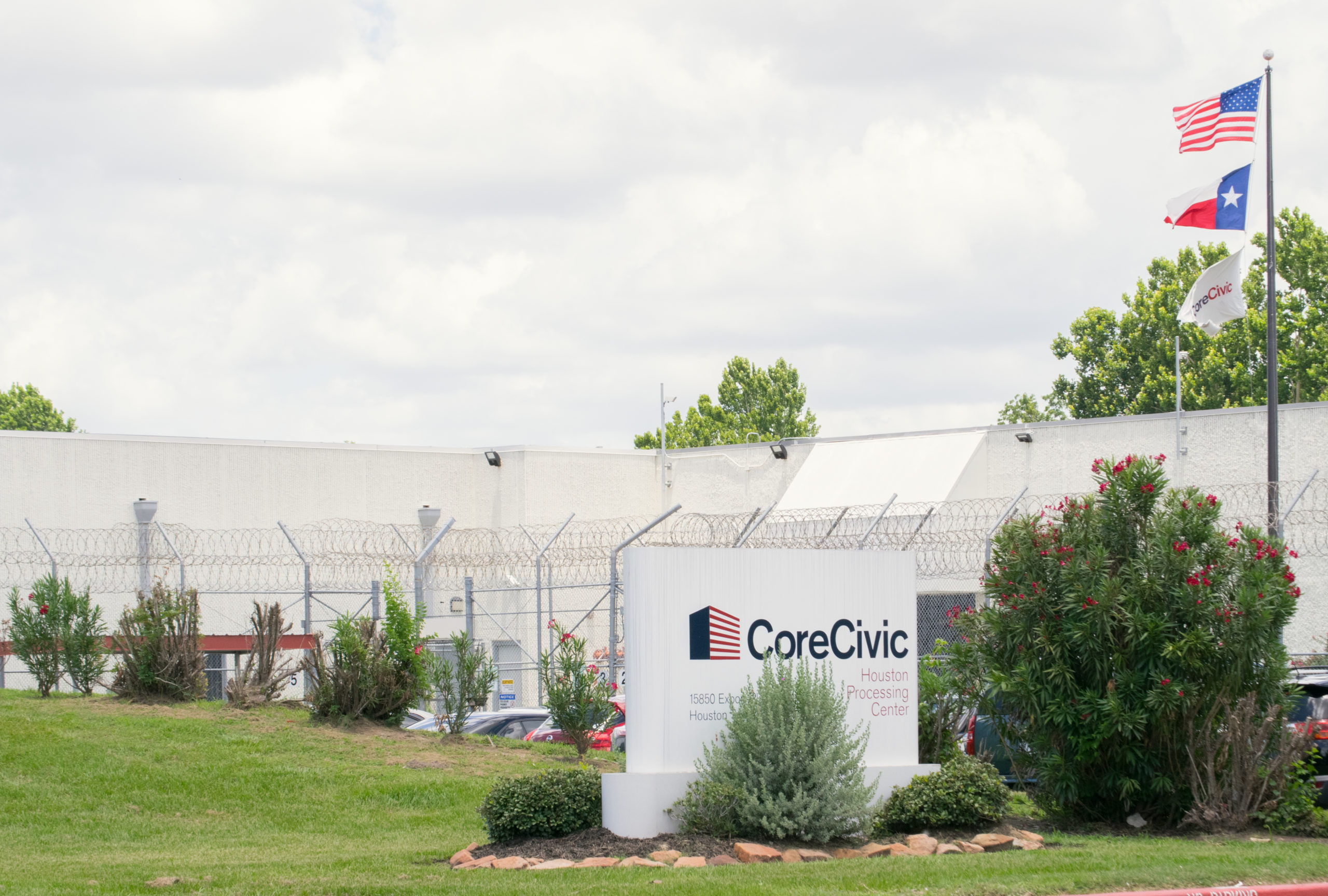
This will be a key question for 2026, as ICE has been buying up warehouses all around the country for the purpose of mass immigrant detention. It plans to keep up to 10,000 people in some of these facilities—nearly double the capacity of the largest state prison in the country.
Experts say that local and state governments have limited ability to block these facilities, since core federal functions generally supersede local zoning regulations. A local planning authority cannot subject a federal immigration prison to review in the same way it could, say, a proposed apartment complex or shopping center—much less reject one outright. Local governments also cannot discriminate against the federal government, meaning that state and local regulations have to apply equally to private and governmental proposals.
Traditionally, the feds have made a point to work with local communities on the siting and design of federal facilities—like post offices, courthouses, and hospitals for military veterans—under the Good Neighbor Program, a decades-old initiative that the Biden administration described as “ensuring that federal buildings are a vibrant part of the neighborhoods where they reside.”
“Usually, even though they don’t have to follow zoning, they try to comply and work with local governments and local communities to find good fits,” said Rick Su, a law professor at the University of North Carolina, and an expert on the intersection of local government and immigration. “The general understanding up to this point is that despite the legality, you don’t want to provoke a local backlash from the community you’re going to be working in. That’s always been the thinking.”
That may not be the thinking anymore: The federal government’s webpage for the Good Neighbor Program, active as recently as late January, has been taken down. In some areas where the feds plan to build out immigration prisons, local officials have said they were not consulted, or even given basic notification, about those plans. This administration has at times appeared comfortable charging forward despite the very kind of backlash Su said the federal government generally tries to avoid.
For example: Among the at least ten commercial warehouses the Department of Homeland Security has acquired for immigration detention is a large facility Williamsport, Maryland, purchased in January for $102 million. Maryland officials and many local residents vigorously oppose the plan to turn it into a detention facility, and the state in late February even sued to stop it, on the grounds that the planned prison could damage the local environment and economy.
While Homeland Security has so far been defiant in the Maryland case, it has ditched plans to build immigration prisons in some areas where those projects received backlash from Republican officials. ICE recently scrapped prison plans in Mississippi, New Hampshire, and Tennessee following outcry from conservative leaders and residents.
The successful opposition in those spots, Su said, underscores that there are ways to beat back unpopular federal building plans outside of courtrooms. He points to the victorious protests of planned federal nuclear power plants in the 1970s. “When local communities have prevailed, it hasn’t necessarily been on legal grounds,” he said. — Alex Burness, staff writer
Is there any viable hope state prosecutors can ever charge federal officers since there’s this “Supremacy Clause immunity” (I just read about it here)? — Frustrated, from Virginia | How can state and local DAs and AGs work in concert to prosecute state crimes committed by ICE? — Laura, from California
Various Trump officials have asserted that federal agents benefit from “absolute immunity.” They don’t, and there’s a long and fascinating history of prosecutors charging all manner of federal agents under state law—from U.S. marshals who captured fugitive slaves in the North in the mid 1800s to their 20th century counterparts who oversaw the desegregation of the University of Mississippi.
That doesn’t mean these cases are a slam dunk—far from it. There are significant practical barriers associated with going up against a hostile federal government. Recently, in a 2017 case involving a US Parks Police shooting in Virginia, the DOJ worked to stymie the local prosecutor’s investigation by withholding evidence and witnesses, a pattern that may now be repeating itself in Minnesota. “If you’re against the Trump administration personally lending tremendous amounts of support to agents accused of wrongdoing, you’ve got a bit of a David and Goliath situation,” Pima County Attorney Laura Conover told Bolts.
Then there are the legal challenges. Operating on the constitutional principle that states shouldn’t be able to interfere with federal officials carrying out their official duties, the U.S. Supreme Court has held that a federal agent can’t be prosecuted as long as they were acting reasonably and within the scope of their duties. This is what’s known as the “Supremacy Clause immunity” doctrine. For a federal agent charged with violating state law, asserting “supremacy clause immunity” could at least get the case moved to federal court, which would likely help the defense even though state prosecutors would hold onto the case. A federal judge could also then agree to dismiss the charges, as happened in the 2017 US Parks Police shooting case.
But it’s up to the court to make those determinations—and so the more that DOJ attorneys continue to torpedo their own legitimacy by, among other things, making assertions plainly contradicted by video evidence, the more disposed judges may be to let charges against agents stand and allow a jury to decide.
Earlier this year, Conover and eight other elected prosecutors announced a new organization, the Fight Against Federal Overreach, to “ensure federal officials are held accountable when they exceed their lawful authority.”
An organization like FAFO could allow prosecutors to trade research on novel legal theories designed to head off immunity arguments, share recommendations for expert witnesses, and even help strategize on how to sue the federal government to access evidence or get a case back into state court. It could facilitate collaboration between prosecutors in neighboring counties both subjected to CBP and ICE deployments, or between a local DA and their state AG. “A lot of what we’re looking at has not been tried yet in the court system,” Conover said. “Rather than each one of us facing something, God forbid, like Minneapolis and finding ourselves having to invent the wheel, we can do it together.”
And even when a case ultimately fails to overcome these hurdles, that doesn’t mean a prosecutor made a mistake in mounting it. Any length of investigation or legal proceeding would represent more pushback and accountability than ICE agents have faced over the last year; if nothing else, it could preserve the chance for a real criminal prosecution whenever a different sort of DOJ is next in power. — Piper French, staff writer
Sign up and stay up-to-date
Get timely updates about pressing stories and elections.
Support us
Bolts is a non-profit newsroom that relies on donations, and it takes resources to produce this work. If you appreciate our value, become a monthly donor or make a contribution.