
How Police Track Your Data: Send Us Your Questions
What surveillance and AI technology are police using, and how is it evolving? Are local governments restricting this? Tell us what you want to know and an expert will answer you.
| April 15, 2026
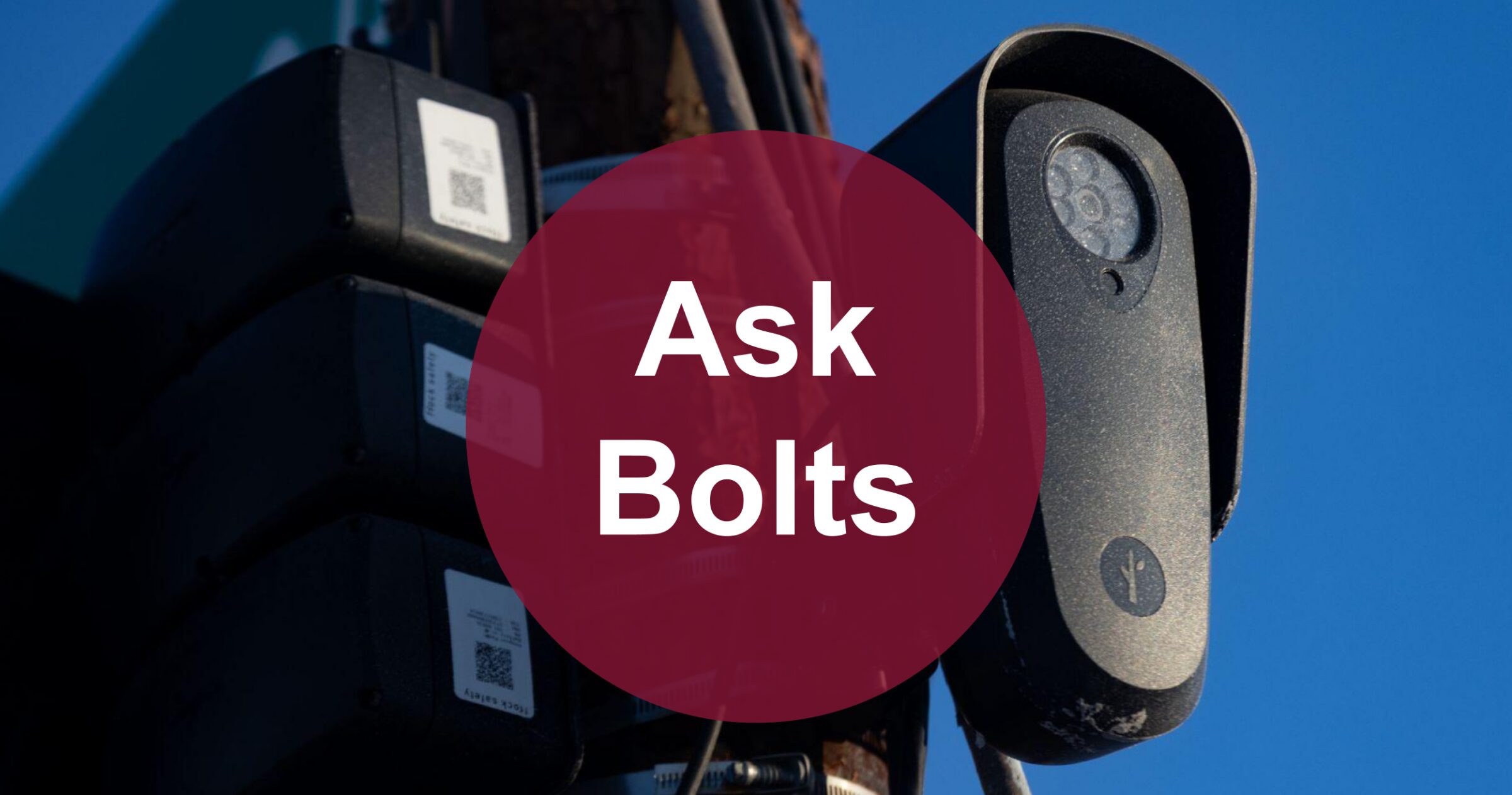
As tech products play an increasingly integral role in all of our lives, they’re generating a trove of personal data that police and law enforcement can easily access. Cities and states, meanwhile, have built vast surveillance networks and invested in AI technology that can track people’s faces and license plate numbers and make predictions about future criminal activity. Many advocates are calling for tighter restrictions and regulations on this surveillance technology, decrying police abuses of personal data, but its use continues to grow rapidly.
It’s a topic we thought Bolts readers may have a lot of questions about, so we turned to Andrew Guthrie Ferguson, a law professor and author of the new book “Your Data Will Be Used Against You.” Ferguson researched how modern policing is tracking personal data, and how digital surveillance technology can be weaponized to threaten personal freedoms.
“You are, at best, a warrant away from having your most intimate personal details revealed to a government agent looking to incarcerate, embarrass, or intimidate you,” he writes in his book.
Ferguson has agreed to answer questions from Bolts readers—so now we want to hear from you.
What questions do you have about how digital surveillance is changing policing? Have you wondered whether law enforcement agencies can see your online activity? Or what kinds of information they can buy from data brokers? Are you curious about how local communities are fighting AI-powered surveillance?
Share your questions with us in the form below by April 24, and Ferguson will respond to many of them in our next edition of “Ask Bolts.” And remember: all questions are welcome. Nothing is too in the weeds for Bolts!