
Virginia’s New Governor Ends ICE Program. Local Contracts Remain, For Now.
Abigail Spanberger left the 287(g) program, which empowered state law enforcement to detain immigrants. Will Democrats also bar local police and sheriffs from the program?
| February 4, 2026
Virginia’s then-Governor Glenn Youngkin rushed to assist President Trump’s deportation agenda last year, ordering the state agencies under his control to join ICE’s 287(g) program, which gave them the power to make civil immigration arrests. He also pushed local sheriffs and police chiefs to join the program and help round up immigrants.
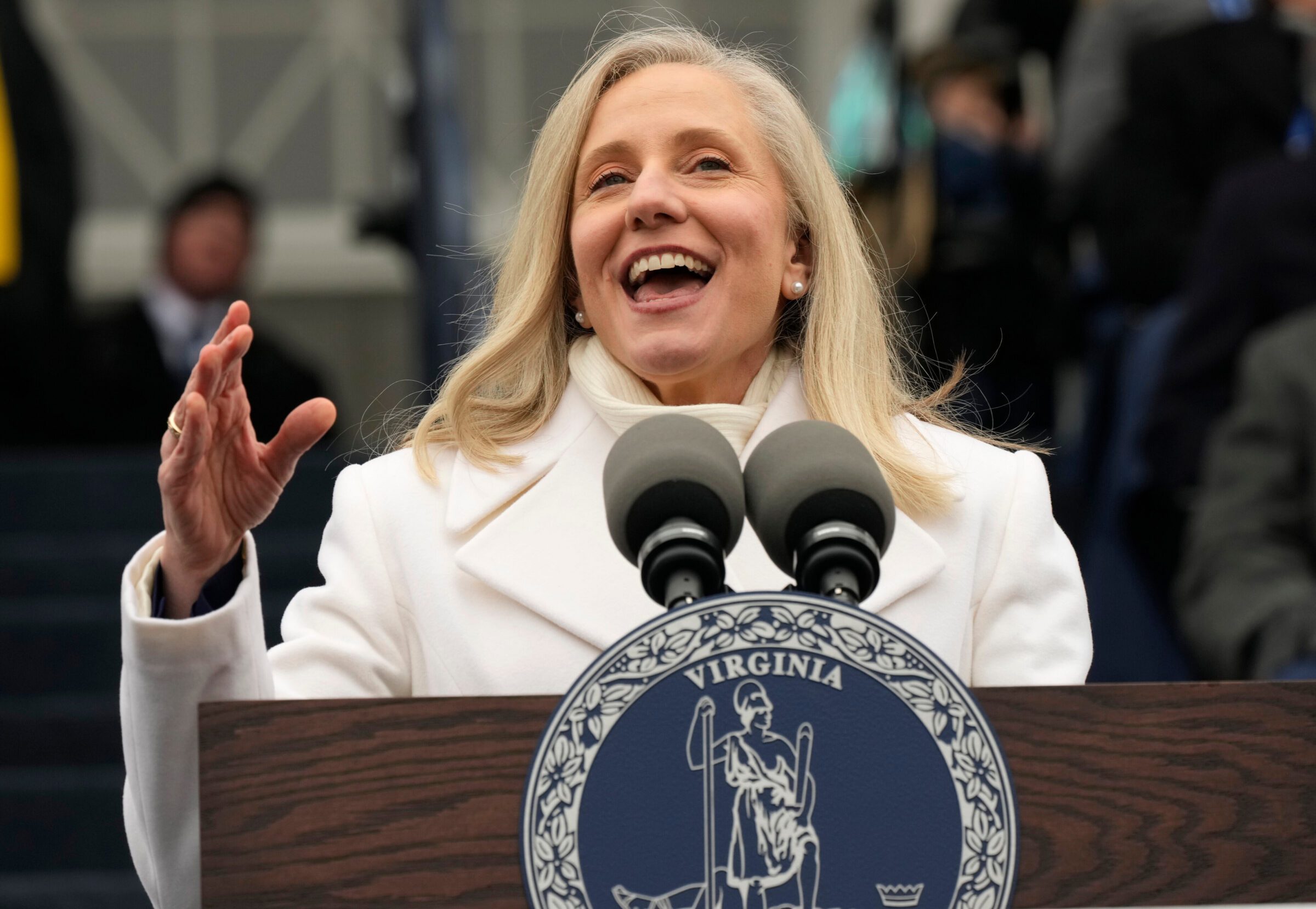
But his successor, Democrat Abigail Spanberger, put an end to the state’s partnerships with this ICE program on Wednesday, fulfilling a campaign promise to roll back collaboration.
Within hours of taking office on Jan. 17, Spanberger signed an executive order that rescinded Youngkin’s order mandating that state agencies contract with ICE, but that alone left the agreements intact. She went a step further this week by actually pulling the plug and ordering four state agencies, including the state police and the Department of Corrections, to end their 287(g) agreements, terminating their role as force multipliers for federal immigration authorities.
“Virginians deserve to have their state and local law enforcement resources devoted to the safety and security of their communities, not federal civil immigration enforcement,” the governor said in her order. These agreements “improperly cede accountability and discretion over Virginia law enforcement to the federal government.”
Senate Majority Leader Scott Surovell, a Democrat, was a critic of these arrangements. “Virginia State Police’s job is not immigration enforcement. They have a hard enough time meeting their responsibilities already,” he told Bolts. “Most Virginians would rather see them focused on investigating violent crime.”
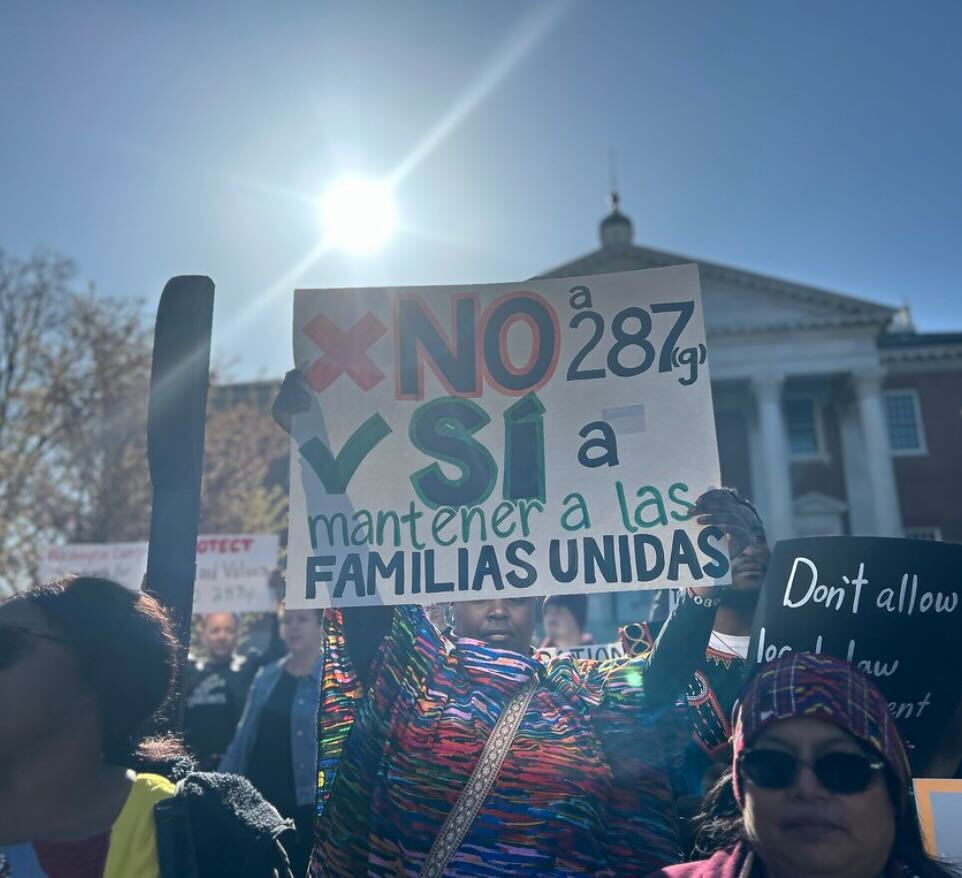
Immigrants’ rights advocates have celebrated Spanberger’s withdrawal but they also caution that many sheriff and police departments in Virginia will remain entangled with ICE; Spanberger’s actions don’t ban these local relationships. But with Democrats also controlling both legislative chambers, some hope that her decision to rescind state-level 287(g) agreements will just be the first step on the road to disentangling local law enforcement from Trump’s goals. In fact, the Virginia legislature is currently considering several bills that would restrict local 287(g) contracts.
“We view this as necessary, but not sufficient,” Chris Kaiser, policy director of the ACLU of Virginia, told Bolts. “We have seen an explosion in 287(g) agreements at the local level… Something needs to be done to rein them in.”
Subscribe to our newsletter
To learn more about immigration enforcement
Immigration arrests have already surged in Virginia as local police worked more closely with ICE. According to government records acquired by the Deportation Data Project, ICE arrested over 7,000 people in Virginia in 2025, three times more than in the previous year. Most of those arrests, 56 percent, were civil enforcement that were not tied to any criminal violations, up from just 19 percent the previous year. “We are one of the epicenters of the Trump administration’s escalation of a reckless mass deportation agenda, and there’s plenty of work that our political leaders in Virginia can do,” Kaiser said.
Youngkin’s decision to enlist Virginia State Police in the 287(g) program stood out because it threatened to make routine traffic stops escalate into immigration arrests. State police have jurisdiction over 78,000 miles of highways, and conducted over 235,000 traffic stops last year through the first week of September—a fifth of all stops documented in the state.
Advocates raised concerns that these stops would be used as pretext to search for undocumented immigrants, pointing to other states that have struck similar agreements like Florida, where the state highway patrol’s contract has facilitated hundreds of arrests as part of massive sweeps and joint missions including “Operation Tidal Wave.”
That dynamic was still slow to take root in Virginia, at least at the state level. According to an analysis by the Legal Aid Justice Center, state police had not yet documented any arrests made under the 287(g) program as of September. But Alex Kornya, the organization’s director of litigation, thinks enforcement was poised to intensify.
Only last year did the Trump administration revive the 287(g) program’s so-called Task Force Model, which enables state or local law enforcement to make immigration arrests during routine patrol activities, and agencies have been slow to train officers to participate in this model since then, said Kornya. The model had been killed by the Obama administration after investigations found that police departments participating in the program engaged in racial profiling; since then, and until Trump revived it, officers deputized by 287(g) could only perform that role within county jails.
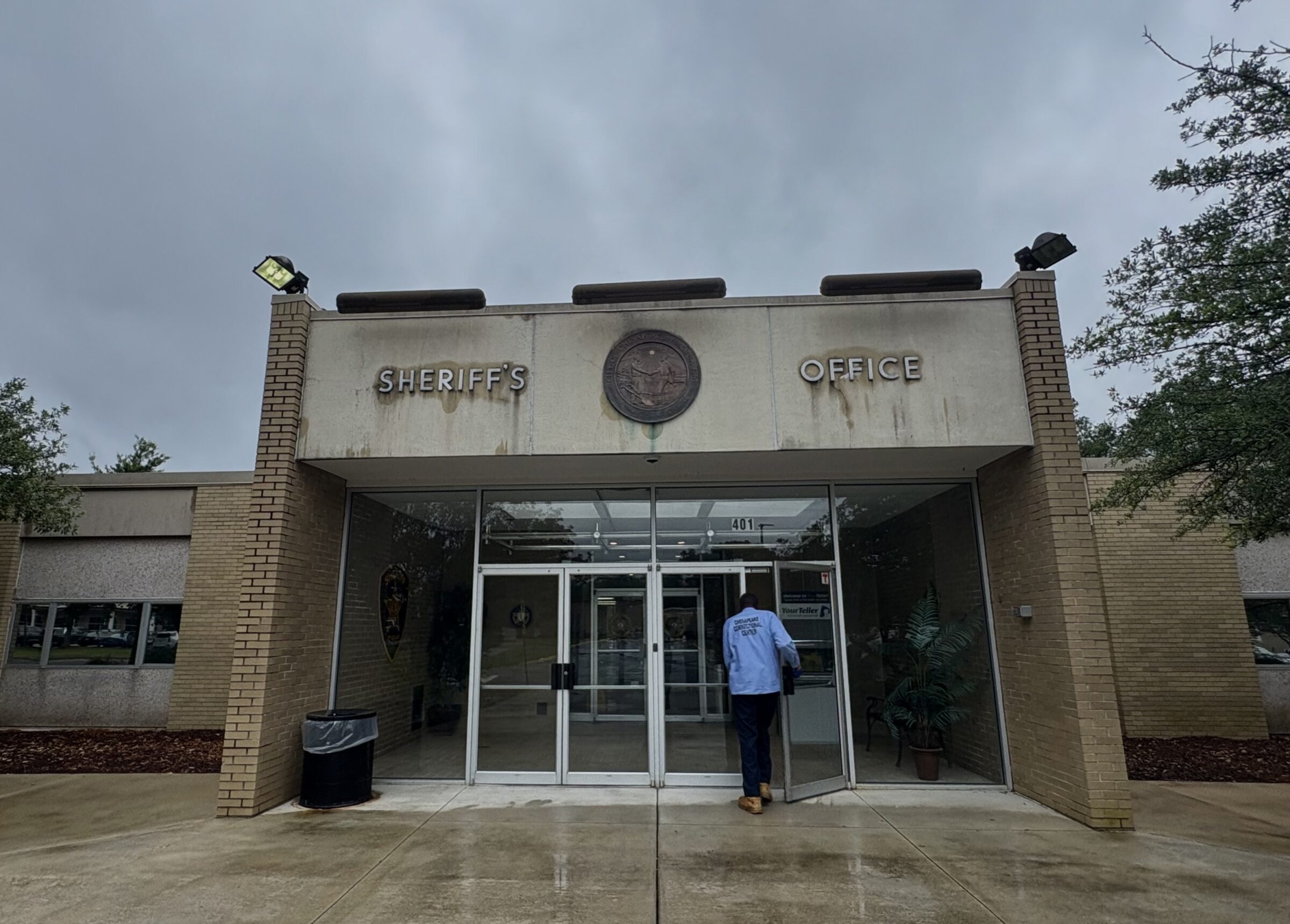
The return of the task force model has coincided with an explosion of interest by local Virginia officials in joining the program. At the start of 2025, not a single law enforcement agency in Virginia was enrolled in 287g. As of today, 22 Virginia sheriffs have chosen to join, most of them under the task force model.
With these local contracts, Kaiser said, “Every single civilian interaction with police can turn into an opportunity to try to enforce federal civil immigration law, and that blurs the line between federal authority and local public safety efforts.”
Surovell told Bolts, “The local 287g agreements are resulting in larger numbers of actual deportations.”
According to the Loudoun County Sheriff’s Office, ICE arrested over 250 immigrants from the local jail in 2025, about twice as many as in the previous year. While Loudoun County generally leans blue, the sheriff does participate in the 287(g) program—though not all immigration arrests are directly linked to the partnership, and officers can cooperate with federal agencies and honor detainer requests even without a formal agreement.
These partnerships are not affected by Spanberger’s orders; for now, it’s still up to local officials (typically sheriffs) to decide whether to enter or end them. But immigration advocates would love to see lawmakers simply forbid sheriffs from enlisting in this program.

Lawmakers are now considering a bill filed by Democratic Representative Elizabeth Guzmán that would prohibit 287(g) agreements at both the local and state levels.
This is in addition to other Democratic bills pending in the Virginia legislature to shield immigrants from federal law enforcement, created in reaction to federal agents’ actions elsewhere in the country. These include legislation to prohibit warrantless immigration arrests in courthouses; to limit federal officers from concealing their faces; and to limit data-sharing and informal cooperation between Virginia state and local law enforcement and federal immigration enforcement.
Virginia state Senator Saddam Salim, a Democrat, told Bolts he does not believe lawmakers will ban local 287(g) agreements this year. “The politics of it is not there yet. It’s not to say it won’t be there,” he said. “I support a clean separation away from any cooperation. I don’t think that if I have that bill I can get it out to the [Senate] floor, nor could I get it out to the other chamber.”
Kornya says state officials should act swiftly before local budgets grow to rely on the federal dollars they receive from such partnerships. Trump’s Big Beautiful Bill is now pouring funding into the 287(g) program, creating new financial incentives for officers to focus on immigration arrests.
According to contracts describing how local agencies would get paid by ICE, the agreements provide police departments with a $100,000 vehicle stipend, a $7500 bonus for each officer certified to participate in the program, and a monthly reimbursement for the time and resources spent on immigration enforcement.
“Unfunded immigration enforcement work only motivated by the zeal to participate in mass deportation is more likely to conflict with other work that a department is doing locally. Now that there is a very strong financial incentive, that changes the dynamic drastically,” Kornya told Bolts. “The longer these agreements continue, the harder it is going to be for local law enforcement to unhook themselves from a relatively unlimited amount of federal cash.”
A public records library released alongside the Legal Aid Justice Center’s analysis of ICE contracts includes email exchanges where the Smyth County sheriff’s office sought reimbursement for arrests made during traffic stops. “There is a temptation to spend time effectively generating revenue for your department by doing immigration enforcement work,” Konya said.
California and Illinois have already passed bans on local law enforcement joining 287(g), and Maryland came close last year. Advocates hope Virginia follows suit during this legislative session, which will take place over the next two months.
“There were hundreds, thousands of people on the streets protesting the killing of Renee Good,” Kaiser told Bolts. “Voters across the state are seeing reckless escalations in the Trump administration’s tactics. The question for our leaders and for Virginians right now is simply, do we want to be a party to this voluntarily?”
Alex Burness contributed to the reporting for this article.
Sign up and stay up-to-date
Support us
Bolts is a non-profit newsroom that relies on donations, and it takes resources to produce this work. If you appreciate our value, become a monthly donor or make a contribution.