
Liberals Gain Seat on Wisconsin Supreme Court, Adding to Firewall in Voting Cases
Chris Taylor’s win on Tuesday expands liberals’ majority on Wisconsin’s high court and locks it in through the next presidential race, when new lawsuits could challenge voting access.
| April 7, 2026
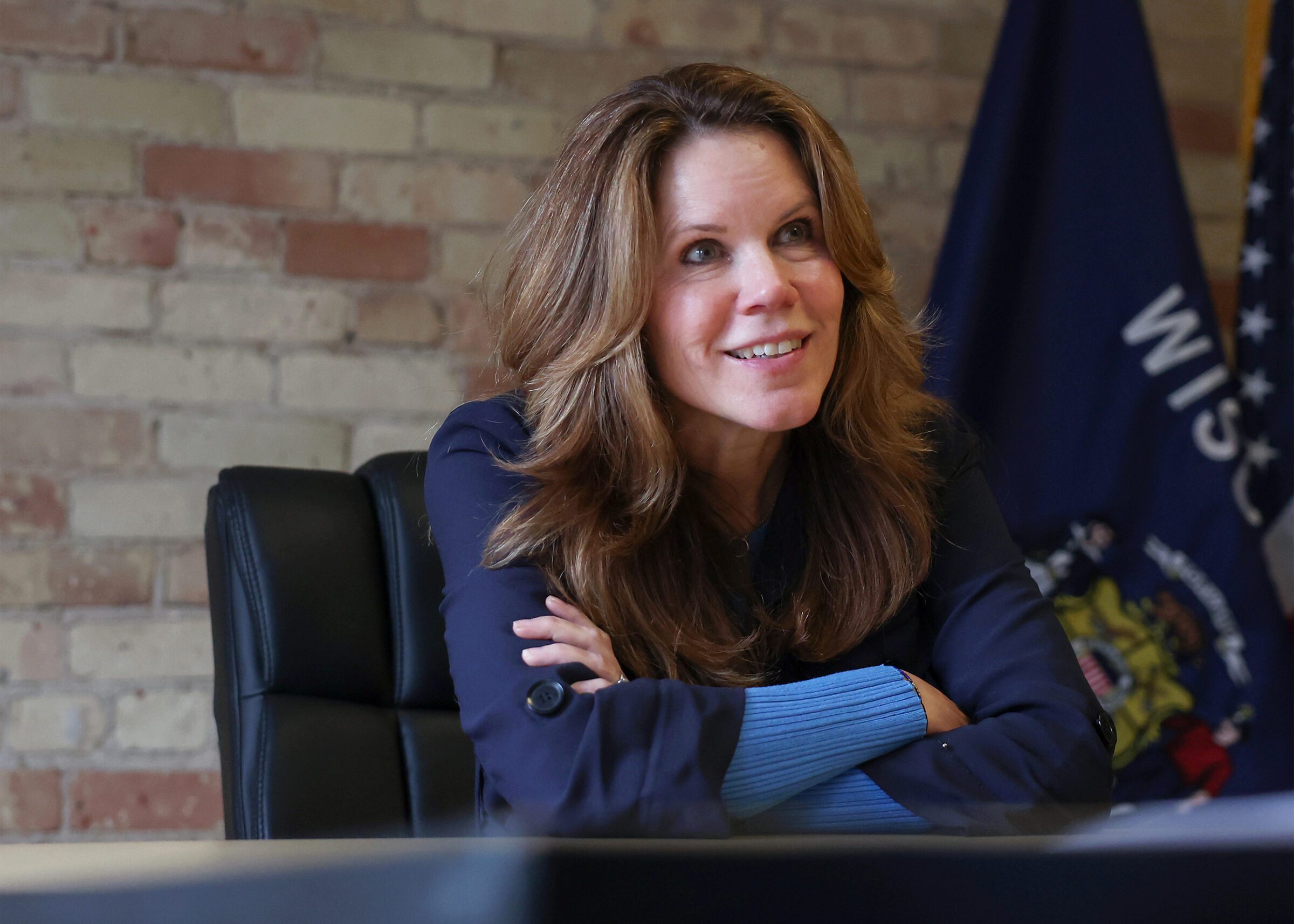
Voters in Wisconsin ensured on Tuesday that the supreme court in one of the nation’s premier swing states will be controlled by liberals through at least 2030.
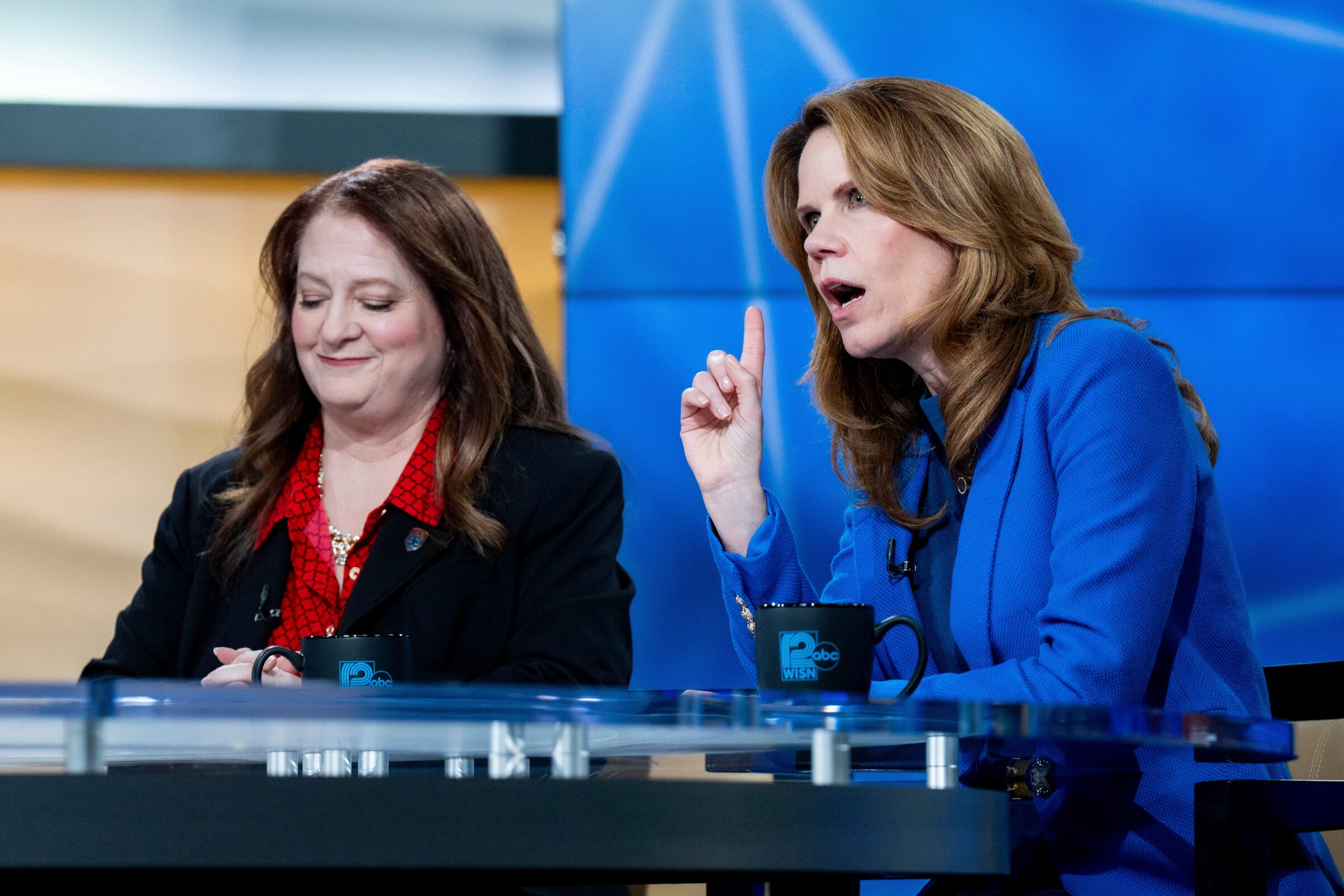
Chris Taylor, a former Democratic state lawmaker and current judge on the state Court of Appeals, easily beat her colleague on that court, conservative Maria Lazar. The Associated Press called the race less than 40 minutes after polls closed, and Taylor led by roughly 20 percentage points late Tuesday.
This result grows the court’s liberal majority from 4-3 to 5-2—the largest margin Wisconsin liberals have had in this venue since at least the 1970s. Importantly, that means the court is guaranteed to be under liberal control during the 2028 presidential election, barring an unforeseen death or resignation, even if conservatives win each of the two Wisconsin Supreme Court contests that will be held by then.
Wisconsin’s high court has played a key role in matters of democracy in recent years, and is sure to continue doing so. Since flipping the court majority in 2023, liberal justices have forced new and fairer state legislative maps by striking down a Republican gerrymander, and rejected GOP efforts to limit access to mail voting by restoring the use of ballot dropboxes.
This court may soon be asked to weigh in on congressional redistricting—Wisconsin’s congressional map remained heavily gerrymandered in Republicans’ favor, even as the statehouse maps have changed—and could see any number of lawsuits during the coming midterms and 2028 presidential election, as it did in 2020.
“We cannot be fatigued when it comes to democracy,” Taylor told Bolts in late February. “It’s just something we have to keep working on.”
Subscribe to our newsletter
For more stories about local elections
Taylor on Tuesday won a 10-year term that runs until 2036, coinciding with the next round of redistricting in the early 2030s.
Taylor has praised the state supreme court’s 2023 decision to overturn the GOP’s legislative gerrymander. Democrats hope to take control of the state legislature this fall for the first time in 16 years thanks to the new, court-ordered maps. As an appeals court judge, Taylor also issued a ruling that made it easier for voters to cast mail ballots.
Turnout on Tuesday was much lower than during last year’s record-breaking state supreme court race, which saw more than $100 million in spending—much of which came from Elon Musk, who unsuccessfully tried to help conservatives flip back the court.
But the outcome was the same, with the liberal candidate winning a fourth consecutive Wisconsin Supreme Court election.
Still, Taylor secured an especially emphatic victory. She ran up huge margins in the state’s two most populous areas, Milwaukee and Dane (Madison) counties, and blunted the traditional conservative advantage in Milwaukee’s suburban ring, even carrying Ozaukee County.
Taylor also won huge swaths of rural Wisconsin. Taylor also won huge swaths of rural Wisconsin. With nearly all ballots counted, she is on track to flip 29 counties that went for Donald Trump in 2024—with counties shifting to the left by as much as 33 percentage points from the presidential race.
The lower turnout is unsurprising: The majority was not on the line this year, as Taylor and Lazar were vying for a seat soon to be vacated by conservative Justice Rebecca Bradley, who is retiring from the court; a Lazar win would have only maintained Republicans’ current three-seat minority.
With no chance for a GOP flip, the PACS and major donors who dominated the 2023 and 2025 races, including Musk, mostly sat out. While last year’s race saw more than $75 million in TV ad spending alone, this year’s race has seen only about $4 million spent on TV ads as of April 6, according to the Brennan Center for Justice.
“This year’s Wisconsin Supreme Court election looks like a supreme court election from another era—which is to say, a decade ago, when you saw records broken in these races with $5M in spending,” said Brennan’s Douglas Keith, who tracks state courts around the country.
“We shouldn’t take from this that state supreme court dynamics are going to return to the way they used to be,” he added. “It’s just the particular dynamics of this race.”
Taylor’s campaign dramatically outspent Lazar’s. Her campaign spent roughly nine times more on TV ads than the Lazar campaign, according to Brennan’s data.
She mostly ran ads touting her support for abortion rights—Taylor used to work for Planned Parenthood—which this court has defended since flipping to a liberal majority. The court struck down the state’s 19th-century ban on abortion last year on a 4-3 vote.
That’s been typical of liberal candidates in state supreme court elections since the U.S. Supreme Court overturned Roe vs. Wade in 2022. Keith said that in the 2020 cycle, prior to that decision, just 3 percent of state supreme court ads around the country mentioned abortion, and that those that did mostly were anti-abortion. Since the 2022 ruling, however, 30 percent of all ads for state supreme court candidates have mentioned abortion, and every single one has defended abortion access, Keith said.
As a deputy attorney general, Lazar defended abortion restrictions, though she did not tout that in her campaign this year. Lazar’s ads also demonized transgender people as threatening the “safety and dreams” of children, and echoed Republican messaging about the threat of election fraud.
One ad accused Taylor of “pushing for noncitizen voting and weakening voter ID.”
Lazar has long aligned with MAGA figures who have spread false information about elections. She was endorsed in her 2022 Court of Appeals campaign by conservatives directly involved in Trump’s efforts to overturn 2020 results, including a fake elector who tried to cast an electoral vote for Trump even though he lost Wisconsin, and a former state supreme court justice who led a widely discredited investigation recommending decertification of the state’s 2020 election results.
Today Trump continues to spread those same unfounded allegations and Republicans are championing legislation, backed by Wisconsin’s senior U.S. senator, Ron Johnson, that would overhaul voting procedures.
Wisconsin liberals hope that the state supreme court can stand as some sort of firewall against any further legal battles spurred by future efforts to overturn an election in the 2028 presidential race or any other upcoming cycles.
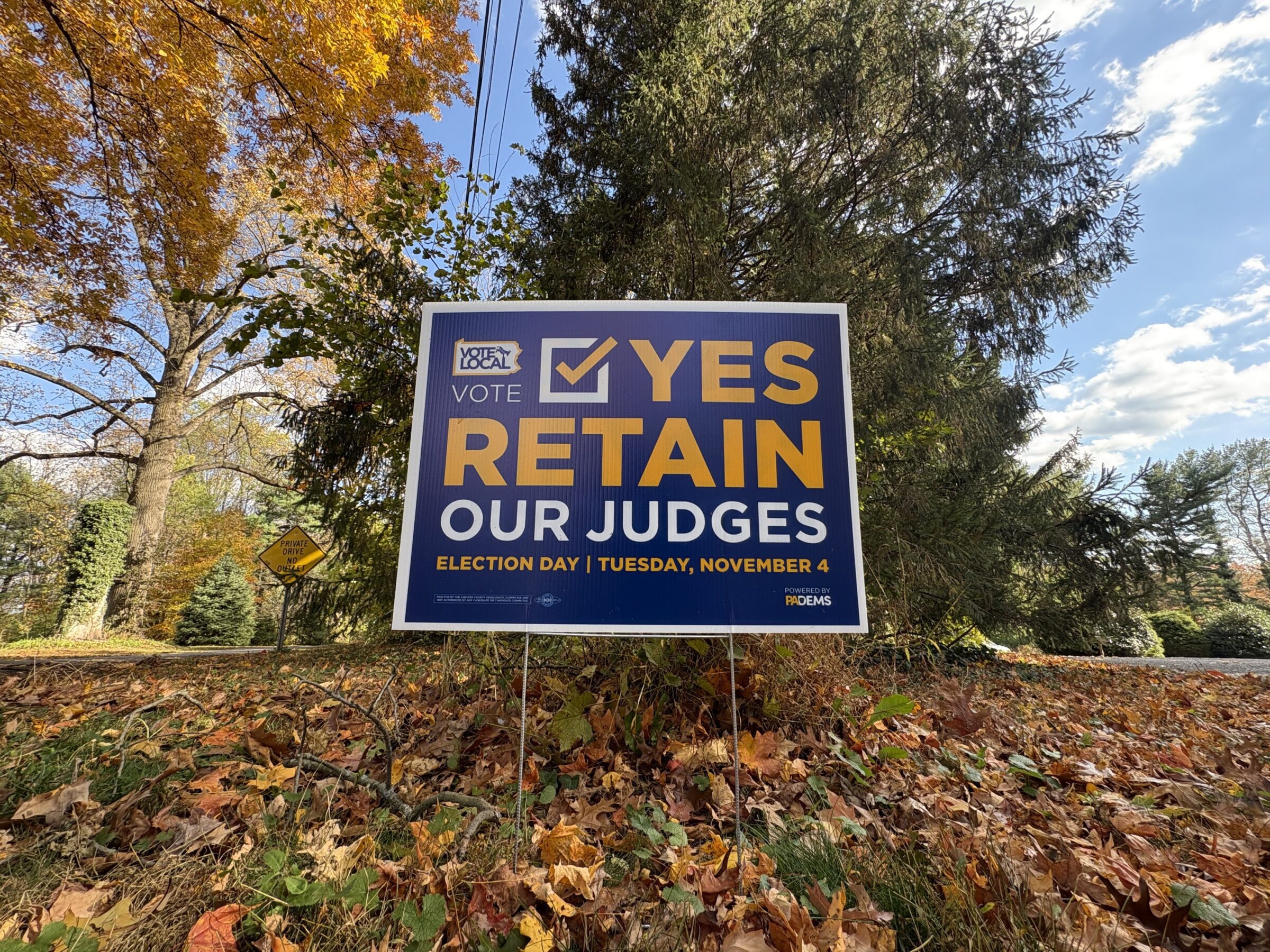
Liberals have also built large majorities on the supreme courts of the other “Blue Wall” swing states that play an outsized role in presidential elections. Besides Wisconsin, Pennsylvania voters in November reelected three Democratic justices, setting up a 5-2 liberal majority there. Democrats have a 6-1 majority on Michigan’s high court.
Wisconsinites will do this all over again next year, when conservative Justice Annette Ziegler’s seat comes up for election. Ziegler has already said she isn’t seeking reelection, giving liberals an opportunity to expand their majority even further.
The story has been updated with more information about the margin between the candidates and the geographic breakdown of results.
Sign up and stay up-to-date
Get timely updates about pressing stories and elections.
Support us
Bolts is a non-profit newsroom that relies on donations, and it takes resources to produce this work. If you appreciate our value, become a monthly donor or make a contribution.