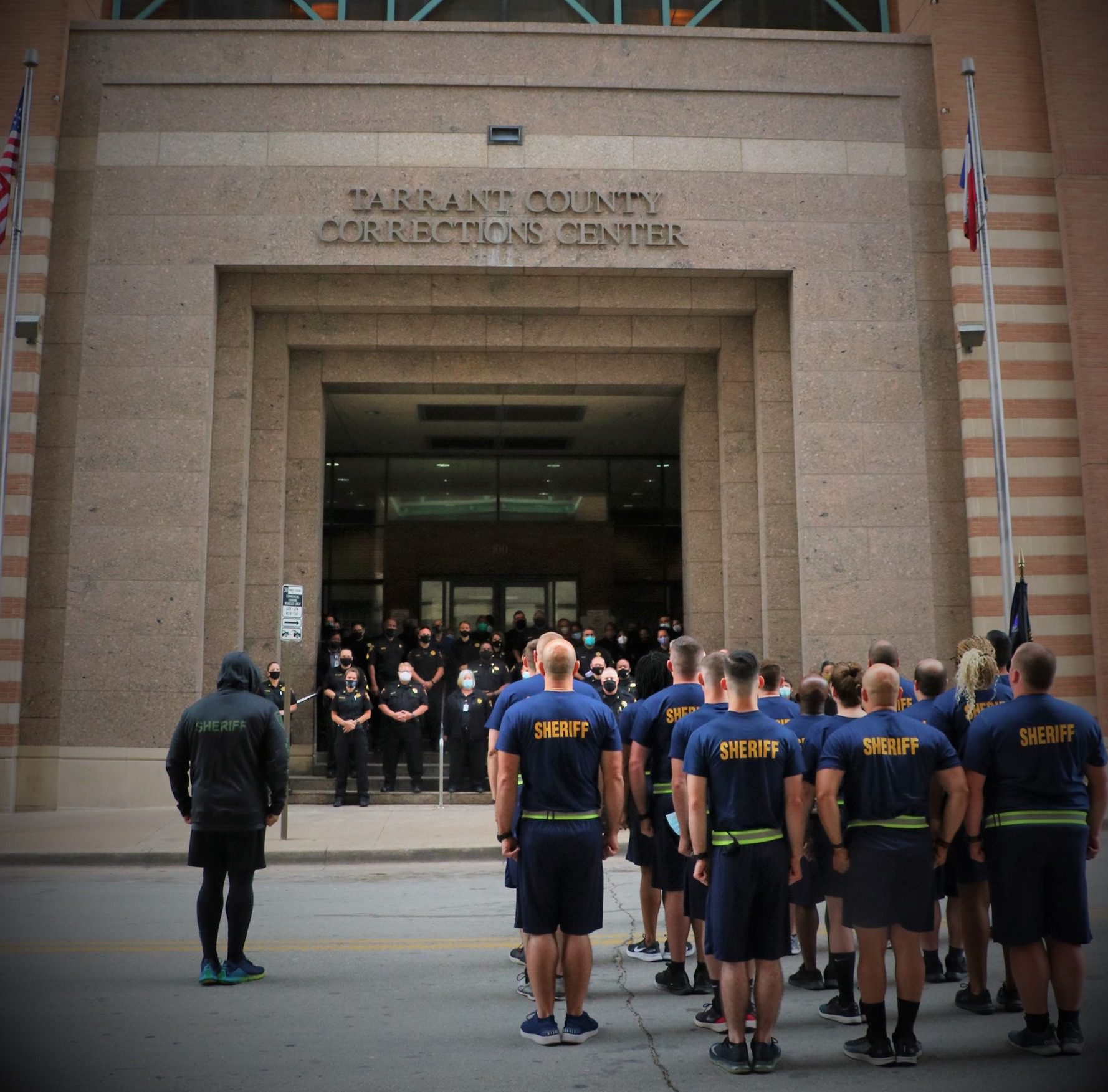

In Texas, Jailers Rush to Release Dying People to Evade Scrutiny
Deputies in Tarrant County put the thumbprint of a man who was brain dead on his release form, highlighting how jails scramble to keep deaths from being investigated. His family, organizers, and a local commissioner want answers.
| October 30, 2026
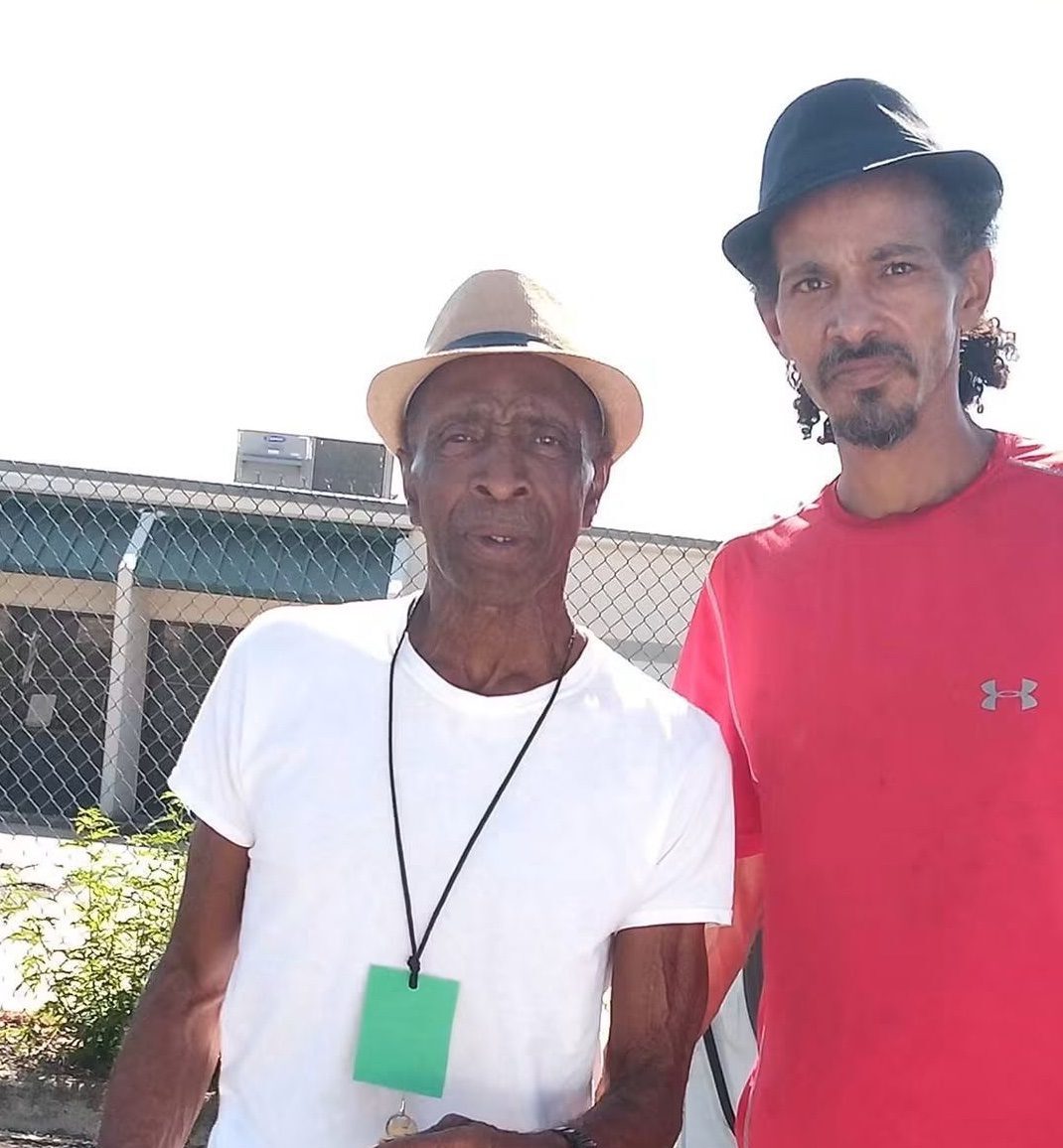
One morning this past June, Leatta Hurd awoke at around 3:30 to a call from a Tarrant County sheriff’s deputy saying that jailers had just sent her son, Mack Greer, to the hospital. Leatta and Joseph Hurd, Greer’s father, rushed over as fast as they could—they estimate they got there about 15 minutes after receiving the call—but the hospital wouldn’t let them see their son, saying they needed approval from the sheriff’s office to visit somebody in jail custody. As Joseph raced to the county jail in downtown Fort Worth to ask for the required form, other family members—brothers, sisters, nephews—started meeting Leatta at the hospital. After hours of the jail and hospital bouncing Greer’s father back and forth without approving visits, the whole family decided to go to the jail and plead for help. That’s when, just before 9 a.m., the sheriff’s office finally gave them the stamped visitation slip that they needed to see him.
Leatta says that by the time they got to visit Greer at around 10 a.m., doctors said he was already brain dead when he arrived at the hospital earlier that morning due to massive hemorrhaging. “They said he had so much blood on his brain that it was like a body of water, that there was nothing they could do,” Leatta told me. The doctors informed them that since Greer was an organ donor, his body would be kept on life support until those arrangements could be finalized. As they took in that devastating news, Greer’s parents were also startled to see swelling across his forehead; “His head was swole up, swollen, just these big knots,” Joseph told me. When Leatta asked a deputy in the room what had caused the swelling, she was told that Greer had been banging his head on the wall at the jail.
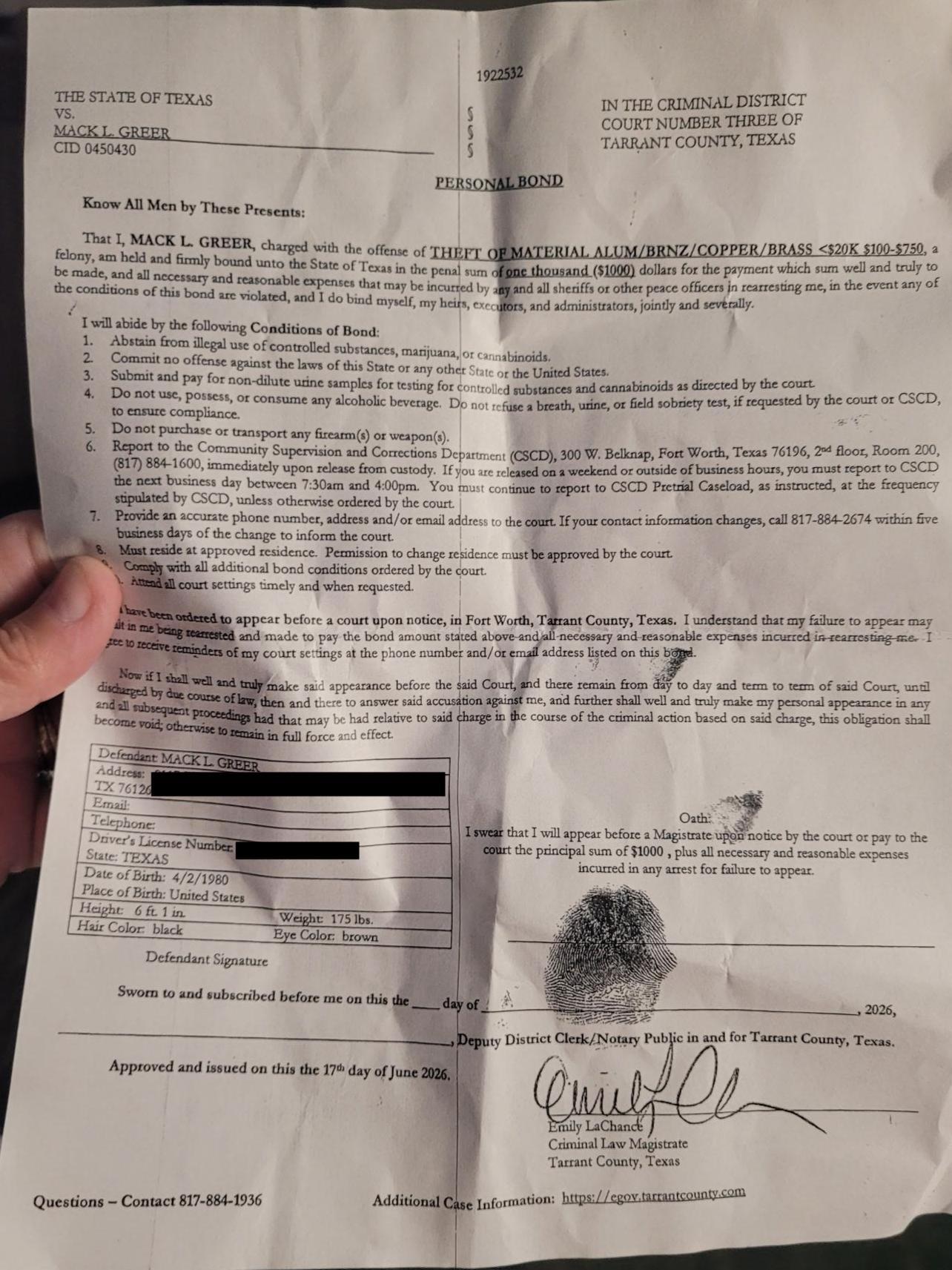
More deputies soon entered the hospital room with a piece of paper already signed by a local judge seeking to release Greer from jail custody. But in his vegetative state, Greer couldn’t actually sign the form—a so-called personal or PR bond, which listed various conditions he must agree to in order to be released from custody.
So the deputies pulled out an ink pad, grabbed Greer’s limp hand, pressed his thumb on the ink and then onto the signature line of the release form. Greer was pronounced dead the next day.
While Texas law requires that an outside agency investigate deaths in jail custody, the sheriff’s office claimed no such investigation was needed in this case; they said Greer had received “compassionate release” from custody before he died.
The sheriff was wrong. The Texas Commission on Jail Standards, the agency that regulates county jails, ruled days later that Greer had not really signed the document, and so it could not be considered valid. They concluded that he was still in jail custody when he died and appointed a local police department to investigate.
As Leatta struggled to understand what had happened to her son, she was introduced to Alisa Simmons, a member of Tarrant County’s governing board who had already been alerted to other jail deaths that week; Greer would be the third person in as many days sent from the jail to the hospital and then quickly pronounced deceased. Simmons, who has for years tried to raise the alarm over the increase in jail deaths under Tarrant County Sheriff Bill Waybourn, eventually joined Leatta and other families of people who died in jail custody for a press conference outside the hospital that week to demand transparency and accountability.
“I stood with this family because they deserved answers,” Simmons told me.
Waybourn’s office responded at the time by attacking Simmons’ press conference as “terribly insensitive” and “political,” and also by telling local reporters that Greer was actually still alive—even though Greer had already been pronounced dead by that time.
The events unfolded in a tense political climate in the county. Simmons, a Democrat, is running for county executive against County Judge Tim O’Hare, a prominent ally of the sheriff. O’Hare, a Republican, has responded to the outcry over jail deaths by having grieving family members and organizers who have confronted the county board removed from public hearings.
Simmons has made it a key plank of her campaign to address this jail crisis, and Waybourn has continued to attack her for drawing attention to the death of Greer and others incarcerated at his jail. Last week, the sheriff released a video calling her “reckless” for suggesting that Greer died from head injuries during her June press conference. Waybourn also pointed to the local police investigation into Greer’s death, which was completed on Oct. 14, saying it absolves his office of any wrongdoing.
But that investigation, which I obtained this week after filing a public records request, raises more questions than answers about Greer’s treatment at the jail before his death this past June. The report by the Haltom City Police Department, a suburban police force in northeast Tarrant County that Texas jail officials appointed to investigate Greer’s death after determining that he was indeed still in jail custody, states that in the days before jailers sent him to the hospital with fatal bleeding in his brain, Greer was seen “banging his head inside of a jail cell” and suffered another medical incident during which he exhibited “trouble speaking, weakness when raising his arms, slurred speech, and facial drooping.”
While Tarrant County’s medical examiner ruled last month that Greer died from “natural causes” due to complications from a rare brain disorder, a Texas doctor I spoke with questioned that finding.
“Based on the available evidence, I think there is still an open question about what factors may have contributed to his death,” Audrey Nath, a Houston neurologist, told me after I sent her the police investigation to review. (The county medical examiner’s office has yet to release its full autopsy report, despite requests from me and others.)
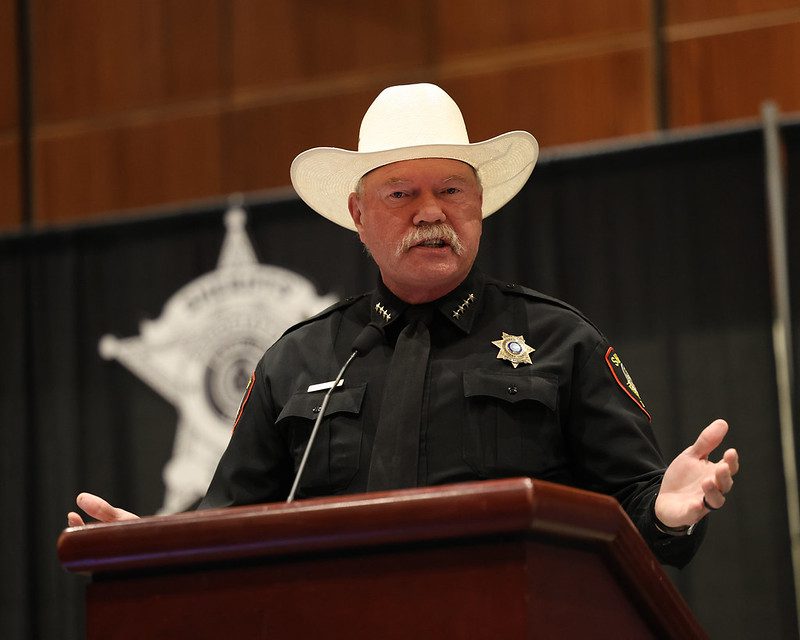
Nath also questioned why the jail hadn’t rushed Greer to the hospital days before his death after he’d exhibited what she called signs of a possible acute stroke. The “appropriate medical response,” she said, “would have been immediate notification of EMS and transport to the hospital … we try to educate the public that ‘Time is brain’ in terms of reversible causes, and that is true regardless of the carceral status of a patient,” she said.
Leatta fears she’ll never learn the truth of what happened to her son and says she was blindsided by the sheriff’s video last week. The office hadn’t contacted the family to notify them that officials had completed the investigation that Waybourn touted in his video; Leatta hadn’t seen the investigation until I shared it with her earlier this week. She now accuses the sheriff of turning her son into a “political pawn.”
Joseph is still disturbed by the way officials rushed to release his son from custody that morning. “That’s gotta be against the law for them to put his fingerprint on it like that,” he told me. “It’s supposed to be of his own free will to accept the PR bond or not. That was wrong right there.”
The Tarrant County Sheriff’s Office’s curious response to Greer’s death, Simmons’ efforts to publicize questions surrounding it, and the sheriff’s video last week attacking her for it—all of it speaks to just how much the county jail has become a political lightning rod in Fort Worth.
Local organizers have long accused Waybourn, who has become a sort of far-right celebrity since taking office in 2017, of ignoring crises in his jail while he chased other right-wing priorities like policing elections and immigration enforcement. In recent years, Tarrant County has paid out millions to settle lawsuits alleging appalling treatment of vulnerable people behind bars—including the largest settlement in the county’s history, involving a pregnant woman with mental illness who deteriorated for months until she delivered her baby alone inside a jail cell (the baby died days later).
As deaths in jail custody continue to raise concerns about neglect and violence by guards, local organizers and grieving families have repeatedly taken to the streets outside the Tarrant County lockup to protest the sheriff and demand intervention from county officials. After winning election to the county’s governing board in 2022, Simmons became one of the loudest advocates for local jail reformers and began organizing press conferences with grieving families, hosting county forums to discuss jail conditions, and clashing with the sheriff during board meetings.
“Jail deaths were a concern for me when I first ran for commissioner in 2022,” Simmons told me. “People were dying in county custody, and families were struggling to obtain basic information.”
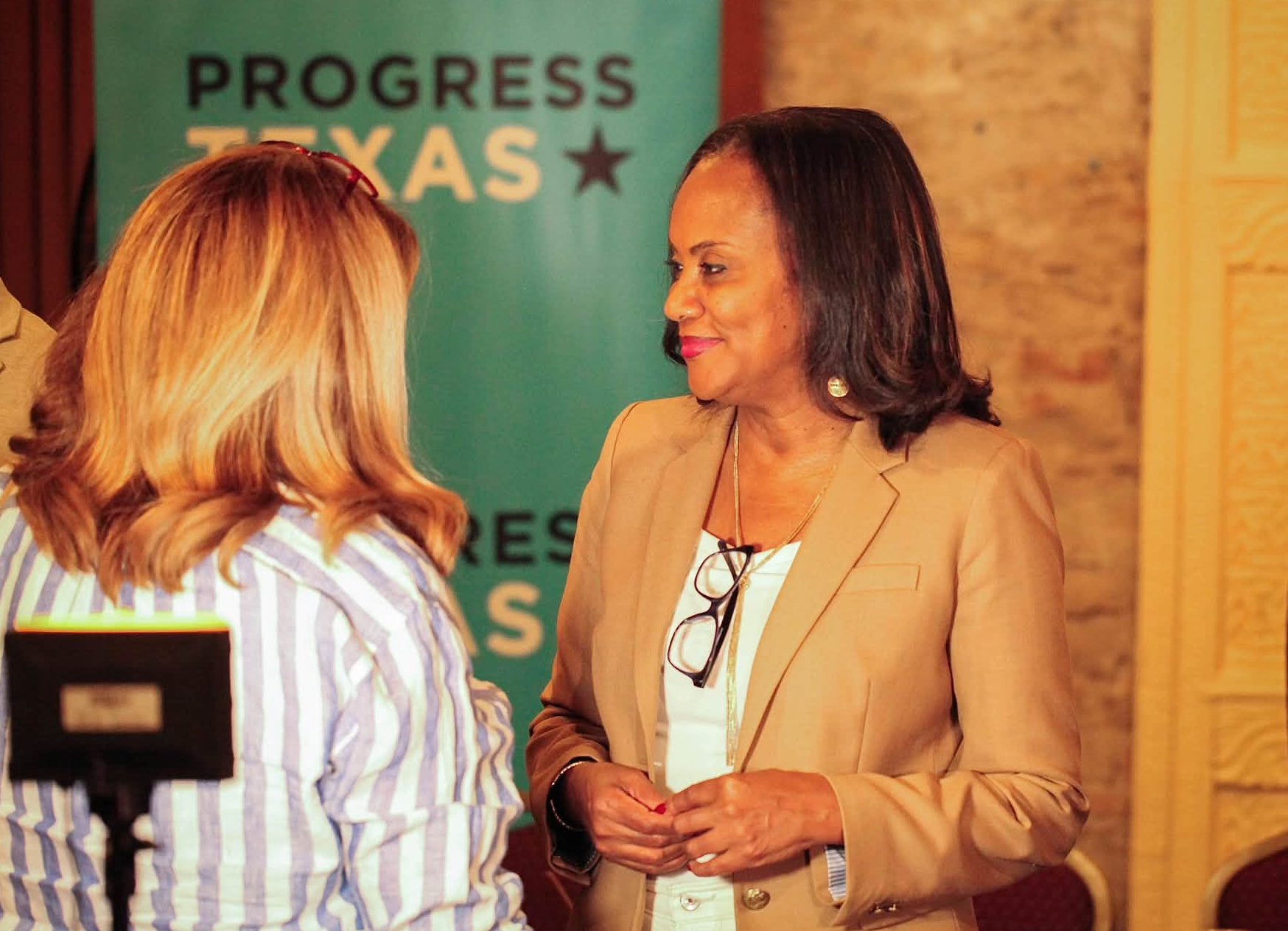
Simmons, one of two Democrats on Tarrant County’s five-member governing board, known as the commissioners court, has a long history of pressuring officials for answers when people die at the hands of local law enforcement. She told me the first jail death she looked into as former president of the Arlington NAACP chapter was that of Jonathan Paul in 2015, after guards at the city jail killed him while in the throes of a mental health crisis. I first met Simmons a few years later, as she pressed for answers from local police officials after an Arlington cop jumped onto a car attempting to flee a traffic stop, stuck his gun in the window and shot the driver to death.
Simmons became a prime target for Republicans who dominate Tarrant County government last year, when the GOP majority on the county board redrew local electoral maps to favor Republican candidates and push Simmons out of office—prompting her to run for county executive this year instead of seeking reelection in her newly gerrymandered commissioner district.
While the sheriff operates the lockup, Simmons says county commissioners have a responsibility to help make sure the jail is safe. “We can use our budget decisions, public proceedings, and authority to engage independent expertise to examine problems and pursue improvements,” she told me. “Accountability means answering what happened and acting on what we learn to protect the next person in custody.”
O’Hare’s office and campaign didn’t respond to my requests for comment.
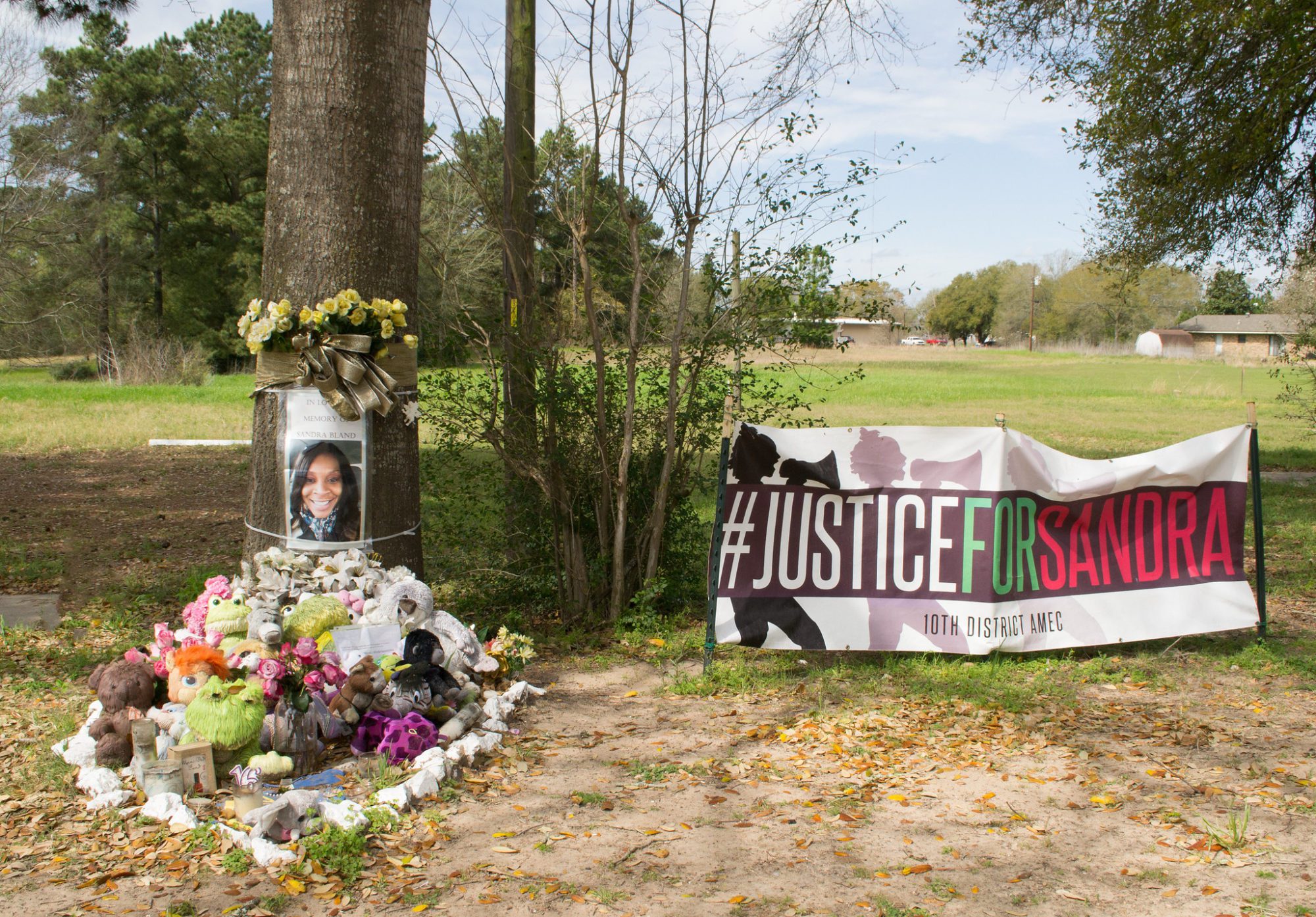
While advocates in Tarrant County have pushed for more transparency and accountability around jail deaths, Waybourn has repeatedly taken steps to shroud them in more secrecy. Three years ago, we at Bolts reported how the sheriff tried (but ultimately failed) to get state lawmakers to erode a key requirement of the Sandra Bland Act that passed in 2017, which mandates outside law enforcement investigations of all deaths in jail custody. Then two years ago, as Waybourn was running for reelection, we discovered the sheriff’s office had repeatedly flouted that law and effectively investigated itself for more than two dozen jail deaths in recent years.
And then last year, another ally of the sheriff in Tarrant County government, District Attorney Phil Sorrells, argued in a letter to the state attorney general that counties shouldn’t have to investigate deaths when someone in jail custody dies from an illness or medical condition after being transported to the hospital. (Sorrells, a Republican, faces reelection next week.)
These independent investigations are hardly a panacea—they rarely result in consequences or charges for jail staff even when they document wrongdoing, and often reflect the kind of pro-police bias that independent investigations are supposed to prevent. Still, since the state began requiring them in 2018, these investigations have routinely shed light on the kind of dehumanizing conditions and treatment that can lead to preventable deaths.

Tarrant County is hardly alone in trying to bend the idea of what counts as an in-custody death in Texas. The state jail commission has warned for years that sheriffs are skirting the law mandating independent investigations when detainees die after jails send them to a hospital. Just this past May, the Dallas Morning News detailed how other North Texas officials avoided the scrutiny that comes with an in-custody death by quietly, and without a judge’s order, releasing a woman from custody after she suffered fatal injuries inside the Dallas County jail.
Advocates for jail reform in Texas say the events surrounding Greer’s death this past June show how the Tarrant County Sheriff’s Office is still scrambling to keep deaths from being labeled as in-custody and investigated as such. In response to my questions about Tarrant County deputies fingerprinting Greer while he was brain dead in order to release him from custody, Laurie Passman, a spokesperson for the sheriff’s office, insisted that the situation instead demonstrates the office’s policy of “compassionate release” for critically or terminally ill inmates.
“When medical professionals determine that a detainee’s prognosis is terminal, our agency routinely chooses to advocate for their release as a matter of basic human dignity,” Passman said. “The contention that these releases are sought to avoid accountability or bypass investigations is entirely inaccurate.”
Krishnaveni Gundu is co-founder and executive director of the Texas Jail Project, an organization that has long supported grieving families seeking answers after someone dies in jail, including Greer’s parents. She told me she was “shocked and frankly disgusted” that sheriff’s officials would fingerprint Greer to release him from custody just as doctors were finalizing their plans to harvest his organs. “The fiscal responsibility for medical care falls upon the agency for whom the jail is holding someone,” Gundu said. “We believe the sheriff’s compassion was more for his record and checkbook than the dignity of Mr. Greer and his family, who are now left with medical bills.”
Gundu said she’s also “alarmed by the use of meaningless technicalities that are rapidly eroding the Sandra Bland Act, leaving grieving families without answers or recourse for seeking justice after the death of a loved one in jail.”
A week after Greer’s death in June, Tarrant County jailers sent Victor Runnels to the same hospital about three miles away from the lockup, where Runnels was pronounced dead less than 24 hours after arriving. Runnels’ death would have been the fourth in Tarrant County jail custody that month, had officials counted it.
According to information released by the medical examiner and sheriff’s office, the jail sent Runnels to the hospital “due to hypertensive urgency and altered mental status” on a Wednesday night, and then released him from jail custody the following afternoon just 14 minutes before his time of death. Victoria Rogers, Runnels’ niece, says authorities didn’t tell the family until the morning after he’d been sent to the hospital, after he’d already been through emergency surgery. She says her uncle was on life support, but still shackled to a hospital bed, by the time she and other family members got to visit him, just before he passed away.
“They basically let us know that he was in a vegetative state, and that you can either let your loved one continue to be like that or pull the plug,” Rogers told me. “And at that time, there was a sheriff’s representative in the room with us—from the time we got in the room until the time we pulled the plug.” She says the deputy only took off the shackles once doctors started removing the tubes and wires that had kept her uncle on life support. She says the family had to ask the deputy to leave the room so they could spend those final moments alone with her uncle.
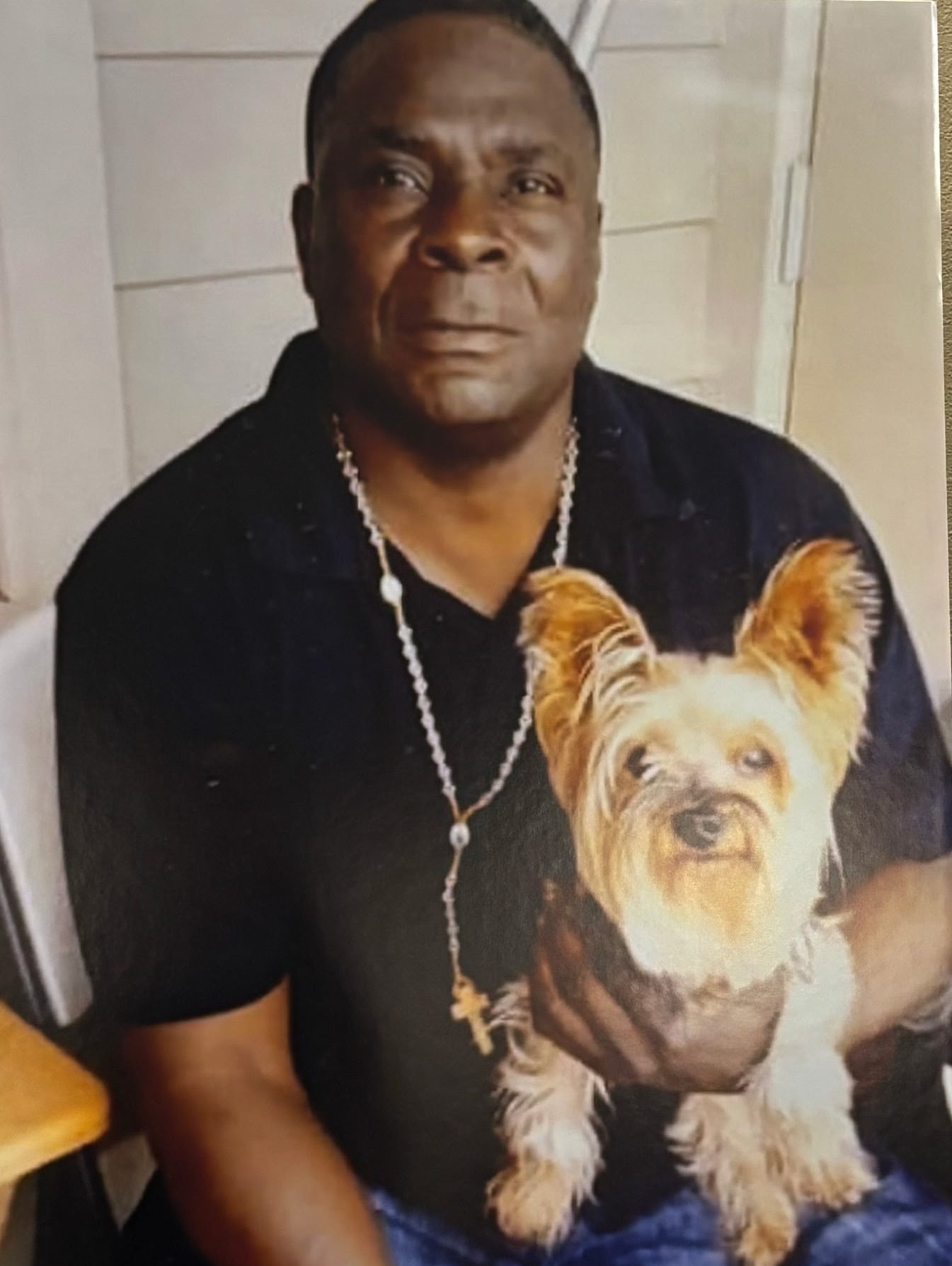
State jail officials determined that Runnels was no longer in custody when he died because the Texas prison system had by that point lifted its warrant accusing him of a parole violation, which is what had landed him in jail; Passman, the spokesperson for the sheriff’s office, told me “the administrative process to secure his release was initiated much earlier in the day.”
When I asked Ricky Armstrong, executive director of the Texas jail commission, why Greer’s death was ruled in-custody but Runnels’ wasn’t, he said they “involved different circumstances.” Greer was “unable to sign” the personal bond releasing him from custody, Armstrong said, whereas Runnels had been released because of the action taken by the state prison system—which didn’t require his signature, thumbprint or otherwise. As such, the jail commission wouldn’t require an outside investigation into Runnels’ death, and officials wouldn’t add him to the long tally of Tarrant County jail deaths in recent years.
Reagan Thomas, a criminal defense lawyer who represents indigent clients in Texas, told me she’s skeptical that state officials really had any intention of releasing Runnels if he hadn’t passed away in the hospital. “Had he miraculously woken up, they’re not going to just let him walk out of the jail,” Thomas said.
That’s a hard explanation to swallow for Rogers, who this summer attended a state jail commission hearing to ask that officials count her uncle and investigate his death. “The plug had already been pulled and you’re still sitting in the room,” she said of the sheriff’s deputy who shadowed her uncle during his final moments. “Why are you sitting in the room? What are you reporting? Why are you there if he’s not in custody?”
Leatta Hurd, Greer’s mother, remains furious at how the sheriff’s office handled her son’s death and says the video Waybourn released last week painted him and the rest of her family in a negative light. In between the sheriff railing against Simmons, the video displays a one-pager about Greer: that his bond was set at $1,000, which Leatta says implies that family could’ve got him out of lockup earlier if they’d cared enough; listing him as homeless, which she says wasn’t true; and that family “did not show” to a meeting to discuss the matter with the sheriff’s office. (Leatta didn’t feel well enough to attend that meeting, which had been scheduled in late June, just over a week after her son’s death. She says the sheriff’s office hasn’t contacted her since.)

Leatta is eager to dispel any notion that her family didn’t care deeply for her son. She says money was tight at the time he was jailed because she was pulling together money to bury another family member who’d just passed away without insurance. “That doesn’t mean my son wasn’t loved because I didn’t have the money,” she told me. She points to the more than a dozen family members who showed up at the hospital that morning while he was on life support.
“Two of his nephews, they sat down and cried so hard,” Leatta told me, explaining how close they were with her son. “They said they didn’t only lose their uncle, they lost their best friend.”
Sign up and stay up-to-date
Get timely updates about pressing stories and elections.
Support us
Bolts is a non-profit newsroom that relies on donations, and it takes resources to produce this work. If you appreciate our value, become a monthly donor or make a contribution.