
Judge Orders Colorado to Stop Throwing Prisoners in Solitary for Refusing to Work
Years after voters amended the state's constitution to ban forced labor in prison, a court ruling could finally make Colorado change how prison guards "compel and coerce" work.
| March 11, 2026
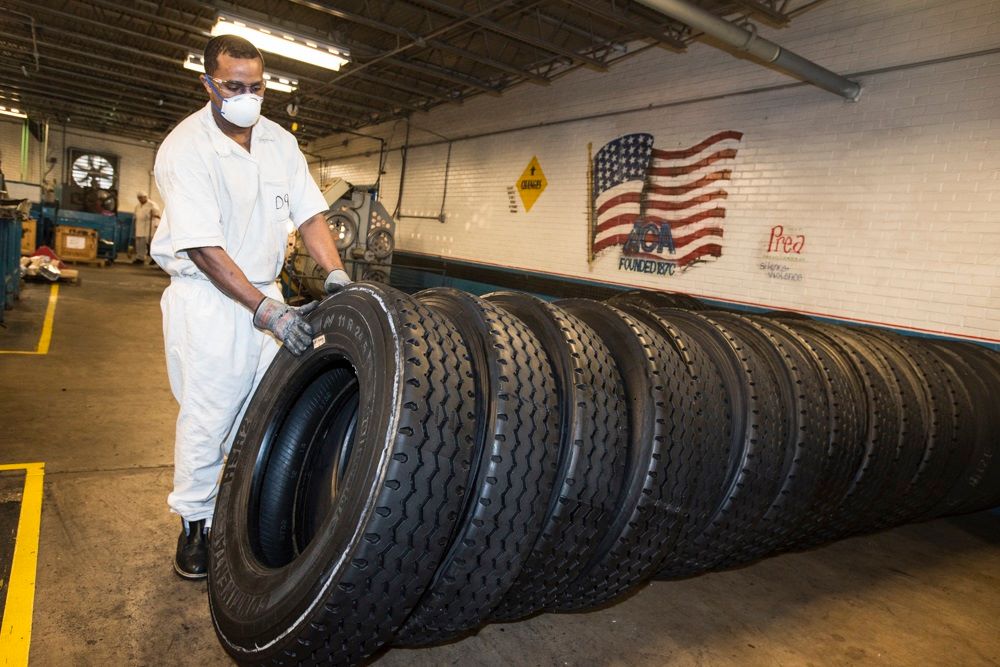
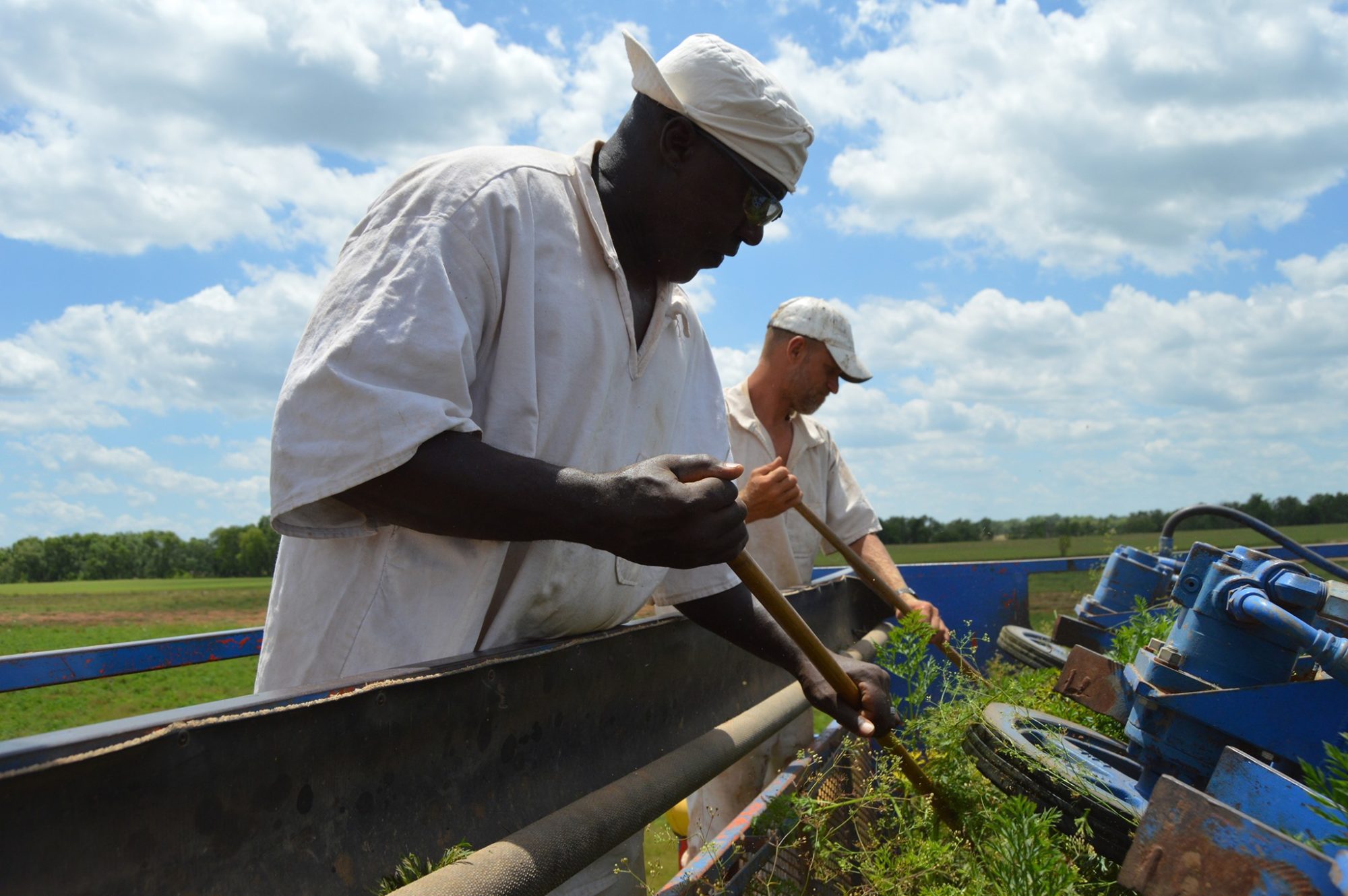
In 2019, while incarcerated at the Centennial Correctional Facility in Colorado and assigned to shifts in the kitchen, Nadia Reed refused to work for two days in one month. All incarcerated people in Colorado are required to labor, and are typically paid mere cents an hour. Her punishment for that decision was being confined to her cell alone for 23 hours a day for 30 days, unable to interact with any other incarcerated people, not even during the hour she was allowed out for exercise and to shower. She was also denied the ability to talk to her loved ones. In court testimony, she described the isolation as “very depressing,” leading her to self-harm.
The following year, after Reed completed her assigned shift in the kitchen, she was ordered to stay longer to do additional work. She refused, for which she was handcuffed, shackled, strip searched, put in solitary confinement and once again confined to her cell for 23 hours a day, according to her testimony. As a result of the incident, Reed was reclassified from medium security to a higher level, and she says she was sexually assaulted when she was moved into that part of the prison.
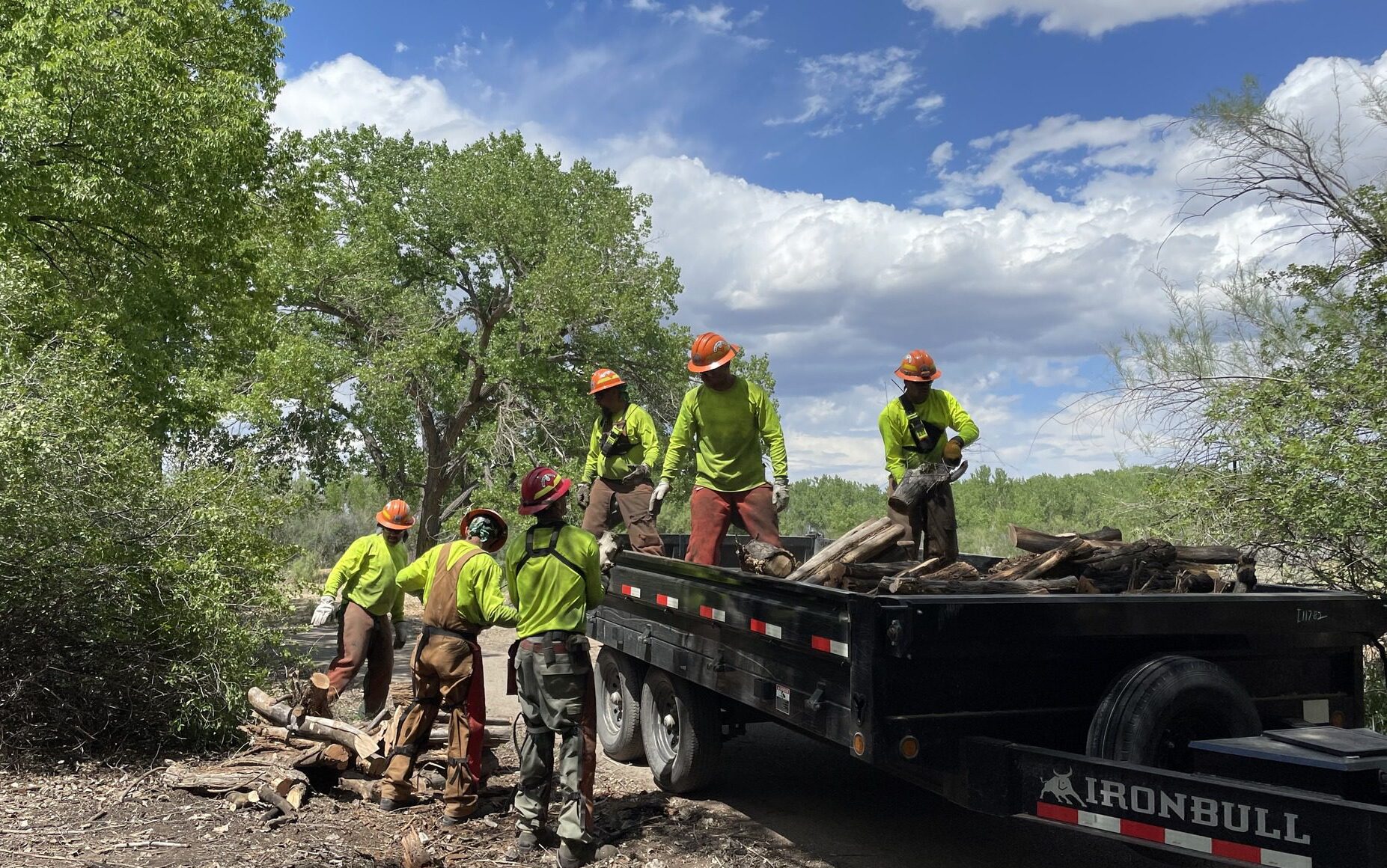
Experiences like Reed’s are common in Colorado, with Bolts reporting in 2023 that incarcerated people there are routinely subjected to solitary confinement and other punishments for refusing to work. But that could soon be a thing of the past. In a groundbreaking ruling last month in a lawsuit filed against the state by Harold Mortis and Richard Lilgerose, men who were punished for refusing to work in crowded prison kitchens during the COVID-19 pandemic, a state district court judge found that Colorado is violating incarcerated people’s rights by the way it punishes them for refusing to work.
The judge ruled that Colorado has failed to abide by a change voters made to their state constitution in 2018 that erased language allowing “slavery and involuntary servitude as punishment for a crime.”
While the 13th Amendment of the U.S. Constitution abolished slavery at the end of the Civil War, it included a carveout that sanctions it as punishment for people convicted of crimes. Many state constitutions include the same loophole, which has allowed prisons to force incarcerated people to work under threat of discipline, often for little pay; seven states don’t pay anything for most prison jobs.
Subscribe to our newsletter
Get more coverage about state prisons
In 2018, Colorado voters overwhelmingly passed Amendment A, which made the state the first to erase that language from its state constitution. Since then, seven others have followed suit. And yet forced labor under the threat of severe punishment like prolonged solitary confinement, which the United Nations considers a form of torture, has continued unaltered in these states, with advocates arguing that departments of correction have routinely ignored these reforms. In fact, the Denver judge who issued last month’s ruling found that the Colorado Department of Corrections (CDOC) hadn’t so much as reviewed their policies after Amendment A’s passage to make sure prison officials were complying, let alone made any changes to policies or practices.
Now Colorado is again leading the way, becoming the first state where advocates have secured a court ruling that could soon force prison officials to stop imposing such harsh punishment in order to compel labor from incarcerated people. “It’s exciting and it’s amazing,” said Kym Ray, co-chair of End Slavery Colorado. “It provides a bit of hope that there are people who really believe in human dignity and that slavery and involuntary servitude shouldn’t be a thing.”
In her ruling, District Court Judge Sarah Wallace found that the CDOC’s policies “compel and coerce work” from incarcerated people, “constituting servitude.” She ordered the state to stop threatening to isolate incarcerated people who refuse work assignments and banned the state from punishing work refusal with any sanction that forces people to remain in a cell for more than 22 hours a day for more than two or three days—which she said “cross[es] the threshold into unconstitutional compulsion.”
Wallace also wrote that guards withholding or reducing a person’s earned good time when they don’t work contributes to a coercive environment—though she didn’t find that, on its own, that practice is unconstitutional. She noted that prison guards had taken to “stacking” infractions against incarcerated people who refused work, layering smaller offenses that wouldn’t on their own lead to solitary confinement but taken together can result in such punishments. “For the 2018 amendment to have any meaning, the Court cannot allow the State to achieve via administrative stacking what it is constitutionally forbidden from doing directly,” she wrote.
For Juno Turner, litigation director at Towards Justice, which represented the plaintiffs in the case, the ruling “means that the promise of Amendment A will become real and [incarcerated people] won’t have to choose between having their constitutional rights and experiencing very severe and negative consequences.”
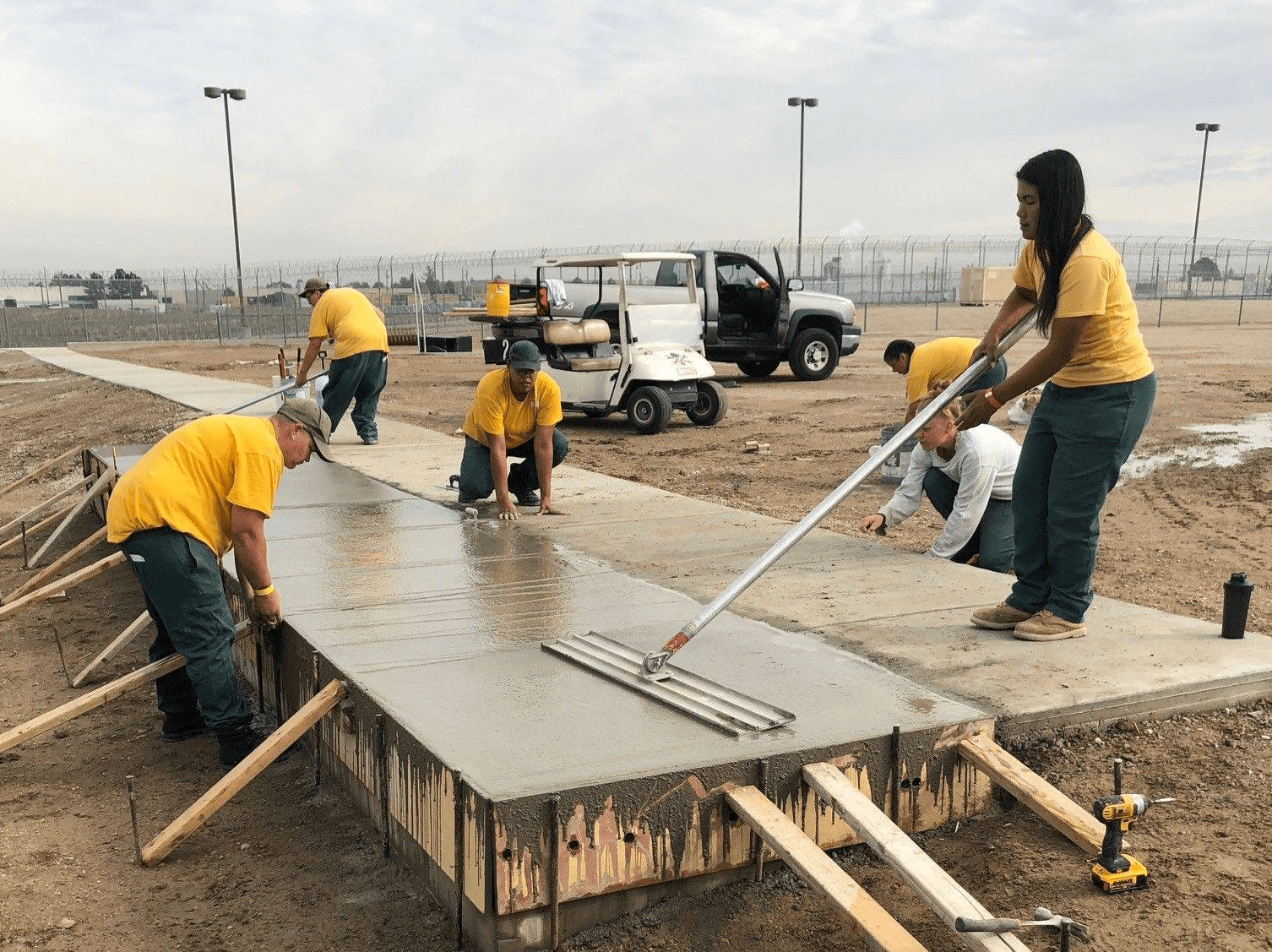
Wallace stayed her Feb. 13 ruling for 28 days to give the state time to appeal, which means her injunction requiring CDOC to change its policies hasn’t yet taken effect. Alondra Gonzalez, director of communications at CDOC, told Bolts that the agency is still reviewing the court’s decision. She said, “We respect the judicial process and continue to evaluate the full legal and operational implications of the court’s decision to determine next steps.”
The state argued in court that its practices are not violating Amendment A because they’re only incentivizing work and not imposing it as part of someone’s sentence. CDOC is maintaining this position. “The Department of Corrections agrees that slavery and forced labor are wrong and illegal and do not believe we have engaged in either,” Gonzales wrote in her statement. “The Department remains committed to upholding the Colorado Constitution, and believes we have been despite the ruling.”
The office of Governor Jared Polis, who’s a named defendant in the lawsuit for his role overseeing the state’s prison system and appointing CDOC’s director, did not respond to a request for comment. But after last month’s ruling, his office issued statements that echoed CDOC’s arguments in the case—saying that Polis “strongly agrees that slavery and forced servitude are wrong and illegal,” but insisting that the state’s prison system “does not engage in either.”
Wallace wrote in her ruling that evidence in the case showed that after voters approved Amendment A, “CDOC did not make any changes to its policies and practices. In addition, CDOC did not audit, review, or investigate its policies or practices for compliance with Colorado’s constitutional prohibition against involuntary servitude.”
Advocates for incarcerated people in Colorado have said they do not oppose prison work programs, but want people to be able to opt in or out. If Wallace’s injunction takes effect, advocates interviewed by Bolts are hopeful it will give incarcerated people a real choice about whether or not to work.
The injunction would ban the state from punishing someone who refuses work with solitary confinement for any longer than two days, or three days if the punishment falls on the weekend. It would also prohibit guards from threatening to isolate people for refusing work assignments, even if the threat isn’t actually carried out.
Wallace’s ruling also highlights other policies—from deducting good time credits to classifying people as higher risk for work refusal—that coerce incarcerated people into labor that the state needs to end “to ensure it’s voluntary labor,” said attorney David Maxted, lead trial counsel for the plaintiffs in the case.
But, Maxted also cautioned, there is “just so much inertia in the system, it’s really difficult to make systematic change.” Allowing people in prison to refuse work gives them “some power, some agency,” Maxted said, which runs counter to “a dehumanizing system” in which the bureaucracy has total control over people.
The only remedy Wallace explicitly orders in her injunction is the ban on using solitary confinement to force people to work. Advocates worry it leaves enough wiggle room for prison officials to keep deducting good time accruals or denying visitation rights to prisoners who refuse to work.
Ray, with End Slavery Colorado, hopes that CDOC will reach out to advocates like her and people who have had direct experience with forced work, and she said her organization and those involved with the lawsuit stand ready to work with CDOC on drafting new policies on prison labor. But given the agency still maintains that it doesn’t impose involuntary servitude on anyone who’s incarcerated, “there’s going to have to be a lot more pushing,” she said, including more legislation.
Colorado is electing a new governor and most members of its legislature this year, and Maxted expects activists will pressure those who are running with the aim of getting them to commit to a legislative solution that delivers on the promise of the anti-slavery amendment that the state’s voters passed eight years ago.
Ray’s organization already notched a victory last year: She worked on a bill that enshrines prison visitation and phone calls from friends and family as a right, rather than a privilege that can be revoked. “It was not the battleground that we thought,” she said, noting that the bill didn’t get much pushback from lawmakers. “There is definitely some appetite to see change.”
Advocates hope the ruling makes Colorado prison officials review their policies more broadly to try and make work more attractive for incarcerated people, without needing to resort to coercion—by increasing the wages incarcerated people receive and creating more incentives that grant people more privileges and freedoms in exchange for working. “There are ways they could be encouraging people to work without holding this over their heads like a cudgel,” Ray said.
Advocates also hope the ruling impacts prison practices beyond Colorado. In late 2024, they celebrated after their case was granted class status, meaning that the outcome would apply to all people in custody in Colorado, not just the named plaintiffs. While the ruling doesn’t set precedent outside of Colorado, Maxted hopes it inspires judges in other states to also grant class status to incarcerated people making similar claims.
They also hope the ruling prompts correctional departments in other states where voters have changed their constitutions to be proactive and make policy changes in order to avoid this kind of litigation.
“Establishing that slavery does still exist, involuntary servitude does still exist, that opens the doors for so much more,” Ray said.
Sign up and stay up-to-date
Support us
Bolts is a non-profit newsroom that relies on donations, and it takes resources to produce this work. If you appreciate our value, become a monthly donor or make a contribution.
Related stories
Forced Labor Continues in Colorado, Years After Vote to End Prison Slavery