
In North Carolina, a Shooting Victim Pleads for His Shooter’s Release After 30 Years
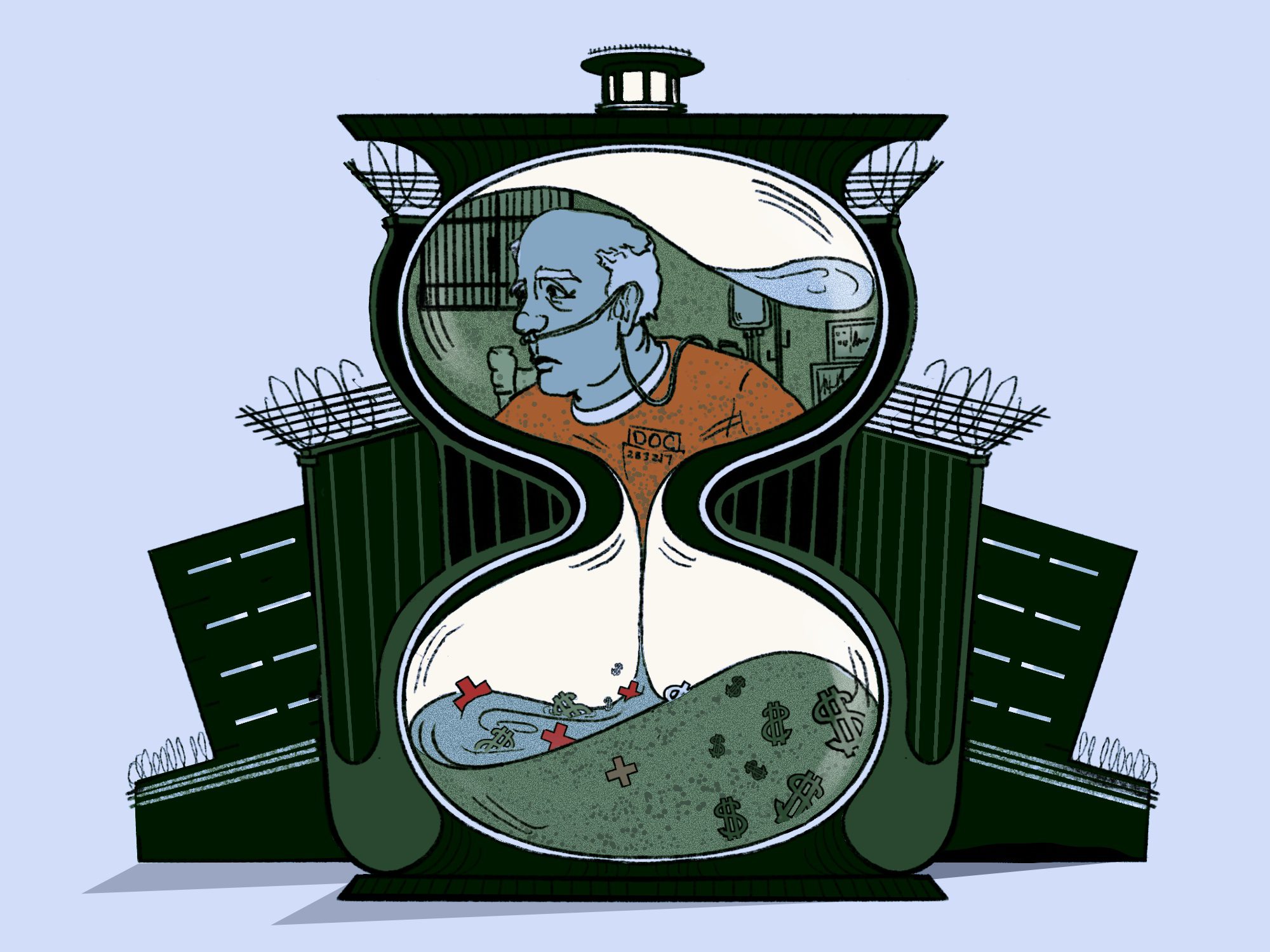
Ramulus Mason was sentenced to life without parole due to North Carolina’s three-strikes law. The man he shot insists that he shouldn’t still be in prison.
| July 23, 2026
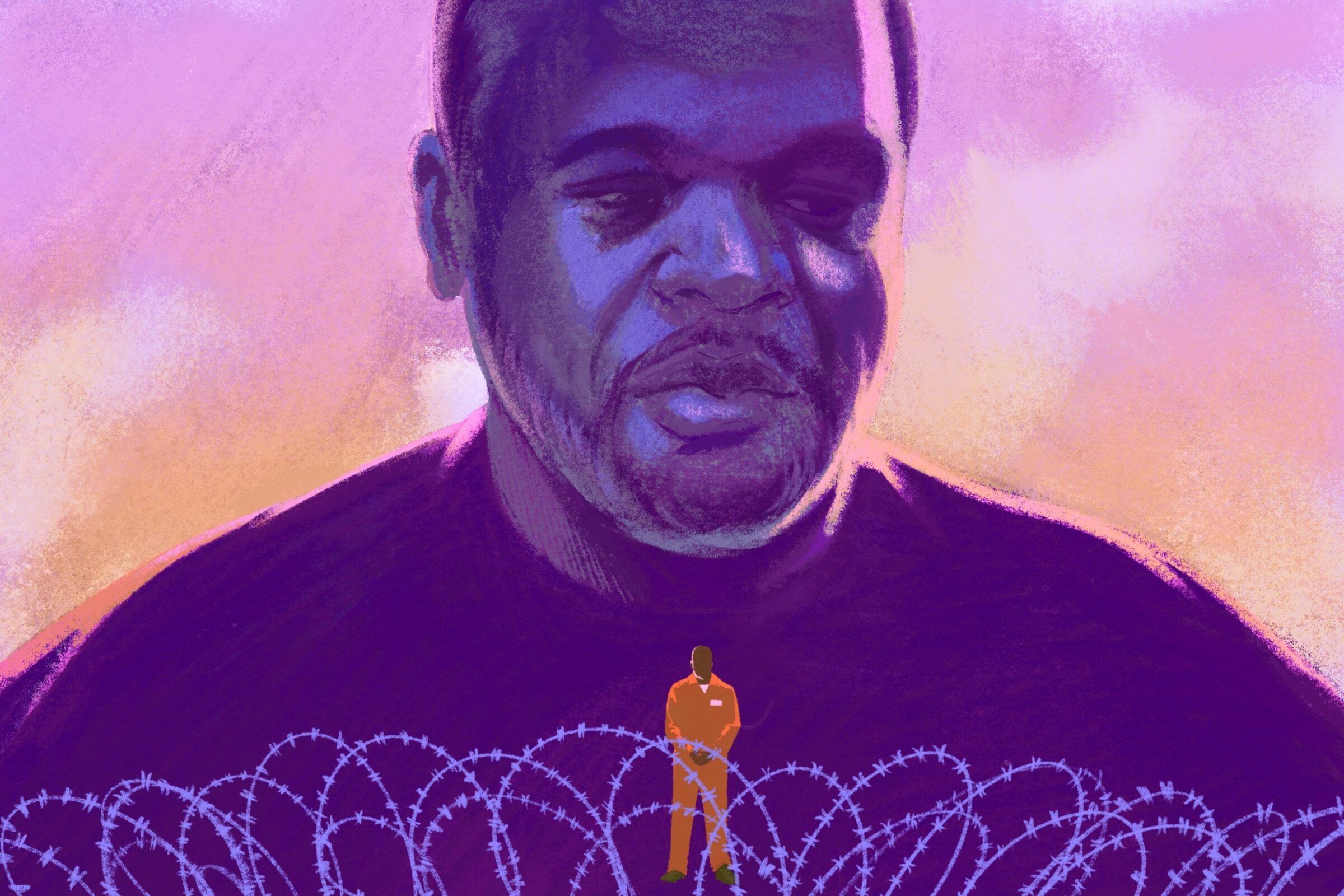
“Getting shot isn’t something I like to talk about,” Ricky Wilson told me during one of our calls. “But I will to help Ramulus.”
Wilson was speaking of Ramulus Mason, who was sent to prison three decades ago for shooting Wilson after a fight. That violent offense, Mason’s third, netted him a mandatory sentence of life without the possibility of parole, making him the first person in the Triangle region, and possibly in the whole state, convicted under North Carolina’s three-strikes law, which passed the year before Mason shot Wilson.
That law was part of a larger pivot towards more severe punishment in North Carolina and across the country at the time, coinciding with another law that largely ended parole and imposed new mandatory minimum sentences. Some legal scholars say the 1993 killing of the father of basketball legend Michael Jordan by a recently released parolee helped fuel the fire for harsher sentencing in North Carolina; state lawmakers introduced some 400 new crime bills between February and March 1994, including the so-called violent habitual felon law that condemned Mason to spend the rest of his life in prison.
But even as the state was eliminating nearly all opportunities for parole, the timing of Mason’s conviction meant that he could still maybe someday get out. At the time he was convicted, people sentenced to life without parole were still allowed to petition for release after serving 25 years. State lawmakers then repealed that clemency process three years later, a law that didn’t apply to him.
That left Mason with a narrow, multi-step pathway—and he has nearly reached the end. In August 2024, his petition for release swayed the Wake County judge overseeing his case. And in his recommendation that Mason be considered for a commutation, the judge highlighted a letter Wilson had submitted to advocate for his release.
The parole commission, which put Mason through a litany of risk assessment tests and mental health evaluations as part of its review of his petition, told Mason last year that it had shared its recommendation with the governor’s office, but didn’t say what it had decided; the commission says its recommendations are only shared with the governor’s office, and not the petitioner or the public.
Get more coverage of clemency and harsh sentencing
Subscribe to our newsletter
Mason’s petition now sits with the state’s Democratic governor, Josh Stein, who will make the ultimate decision on his case at a time that could seem either promising or precipitous for his chances of leaving prison. North Carolina recently saw a marked increase of clemency and commutations, but that has drawn intense backlash from conservative lawmakers who run the legislature and who are again pushing for harsher punishment while vilifying clemency.
Mason, who is incarcerated with me inside Neuse Correctional Institution in Goldsboro, says he’s uncertain whether the support from Wilson and the recommendation from the judge will be enough to get a second chance, and he worries that the politics of the past may keep him locked up.
“I was the first person to get life under that new law,” Mason said. “They wanted to set an example. Some people may not want me out, just to prove a point.”
Wilson, however, insists that the governor faces an easy decision, considering the decades Mason has already served in prison—and the fact that he, Mason’s victim, adamantly supports his release.
“Let him go,” Wilson told me. “The man has done 30 years. Shit. What else do they want? If I can forgive him, why can’t everybody else? I’m the one he shot.”
Before the shooting that afternoon on May 25, 1995, Mason says he was at his mother’s house in Apex, North Carolina, preparing to lay flowers on his father’s grave. That’s when Mason’s cousin, Alex Hayes, burst in claiming that multiple men had attacked him at a park, and saying that Wilson had led the mob. So Mason and his brother drove Hayes to the park to confront Wilson. They brought a sawed-off shotgun.
At the park, Hayes tried to shoot Wilson as soon as he exited the car, but the shotgun didn’t fire; Mason and Wilson both recall it just clicking as if unloaded. Mason then stashed the gun in the car while Hayes and Wilson fought it out.
“Ricky beat the wheels off of Alex,” Mason told me, recounting the events while we sat in the rec yard. “It was bad, but it was fair.”
After the fight, Mason says Wilson followed them to the car bragging about his victory and taunting them all to fight. Hayes got in the car and handed the shotgun to Mason through the window. Mason insists that he thought it was unloaded, since moments earlier it had only clicked when his cousin pulled the trigger. He says he was just trying to scare Wilson away when he pointed the gun at him.
“I wanted to scare him enough to leave us alone,” Mason said. But when he pulled the trigger, a spray of buckshot hit Wilson in his left bicep and shoulder.
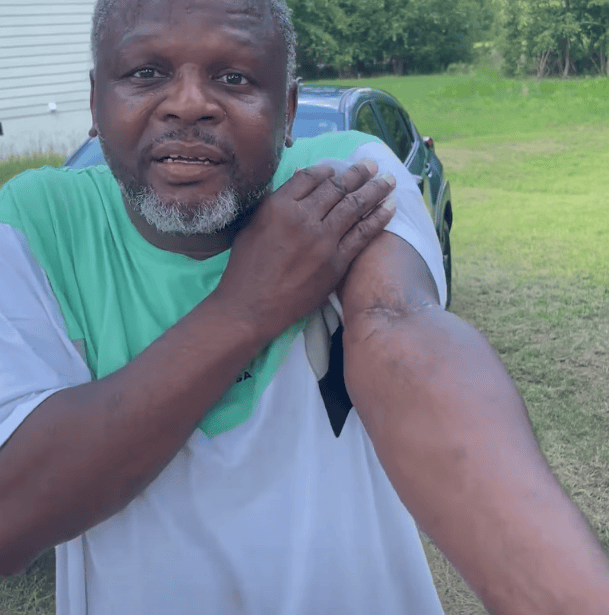
During Mason’s trial, a jury convicted him of assault with a deadly weapon inflicting serious bodily injury, a charge that carried a maximum sentence of 98 months at the time. But during sentencing, Wake County prosecutors highlighted two prior convictions—shooting a man at a dance club in 1982, and then manslaughter in 1992—and argued that these required the jury to ratchet up his sentence to life without parole.
One member of the jury told the Raleigh News & Observer at the time that jurors “struggled with questions of fairness and expressed concern that there was no leeway in the punishment” before giving Mason a life sentence.
Wilson says that when he agreed to cooperate with the prosecution against Mason, he never thought he could get sent to prison for life. “When I testified at his trial,” Wilson told me, “everybody thought he’d get just a couple years, not life.”
Mason admits that anger prompted the shooting in the dance club back in 1982, saying the victim had pistol-whipped him earlier in the night. But any portrayal of him as a heartless killer because of the second conviction obscures the reality of what happened that night in March of 1992.
Mason was babysitting for his sister, Rena Mason, when she came home one night saying her boyfriend had assaulted her after an argument. “He was beating me bad,” Rena told me when we discussed the incident. “I was able to get away and ran to my back door where Ramulus was waiting.”
Rena says Mason ended up fighting with the boyfriend, who had followed his sister home to her apartment. During the fight, Mason stabbed the boyfriend with a kitchen knife, and he fled. Rena says they thought it was over and that her brother had started tending to her wounds when her boyfriend’s cousin, Clyde Morgan, kicked in the front door and attacked them. Mason says he was defending himself and his sister when he stabbed Morgan, killing him.
In court, Mason pleaded guilty to voluntary manslaughter—effectively admitting that he used excessive force to defend himself. He served two years on a five-year sentence before paroling out.
Mason frowns when he talks about the killing. He told me how tears welled in his eyes when he had to face Morgan’s mother in the courtroom.
“I hate that I took her son,” he said. “But I don’t know what would have happened to my sister—or my niece and nephew upstairs—if I hadn’t been there.”
Rena says she was crushed when prosecutors later used the incident to put her brother away for life.
“For a long time I blamed myself for Ramulus’ life sentence,” she told me. “They convicted him as a habitual felon partly because he was defending me and himself. It doesn’t seem fair.”
As Mason hopes for clemency from the governor, North Carolina lawmakers are again pushing for harsher penalties, as they return to the politics of the era that led to the state’s three-strikes law—and Mason’s life sentence.
Much like in the 1990s, a killing that shocked the public has led to legislation for more incarceration. After Iryna Zarutska, a 23-year-old Ukrainian refugee, was stabbed to death on Charlotte’s light rail last year, Republican lawmakers passed a law restricting pretrial release, which is now surging local jail populations. Republicans also began blaming her death on former Democratic Governor Roy Cooper by falsely claiming that he was responsible for releasing the alleged killer from prison early. The man charged with killing Zarutska, Decarlo Brown, has a long history of mental illness, and last month he was declared mentally incapable of proceeding to trial and ordered into limited treatment to try and restore his competency and continue with his prosecution.
Prison releases have become an even bigger political football in the state as Cooper, who issued dozens of pardons and commutations before leaving office in late 2024, runs for U.S. Senate this year against Republican Michael Whatley.
Conservative lawmakers have criticized the increase in clemency under Cooper, who created a new board to review lengthy sentences for people convicted as juveniles and commuted the sentences of 15 people on the state’s death row to life in prison. But none of those decisions seem to have riled up North Carolina Republicans quite as much as the state’s efforts under Cooper to ease overcrowding in state prisons during the COVID-19 pandemic.
This spring, Republicans in the state legislature formed a new committee to investigate the release of 3,500 prisoners over the course of six months in 2021, which had taken place to settle a lawsuit by various advocacy groups accusing the state of failing to protect people from the rampant spread of the virus behind bars.
Trying to make prison releases a defining issue against Cooper, North Carolina Republicans seized on a recent New York Post story that highlighted how 18 people released under the 2021 settlement have since been accused of murder. Still, most of the people who reoffended after the 2021 releases would’ve been out of prison at the time of their new charges anyway; the vast majority only had three months or less remaining on their sentences at time of release.
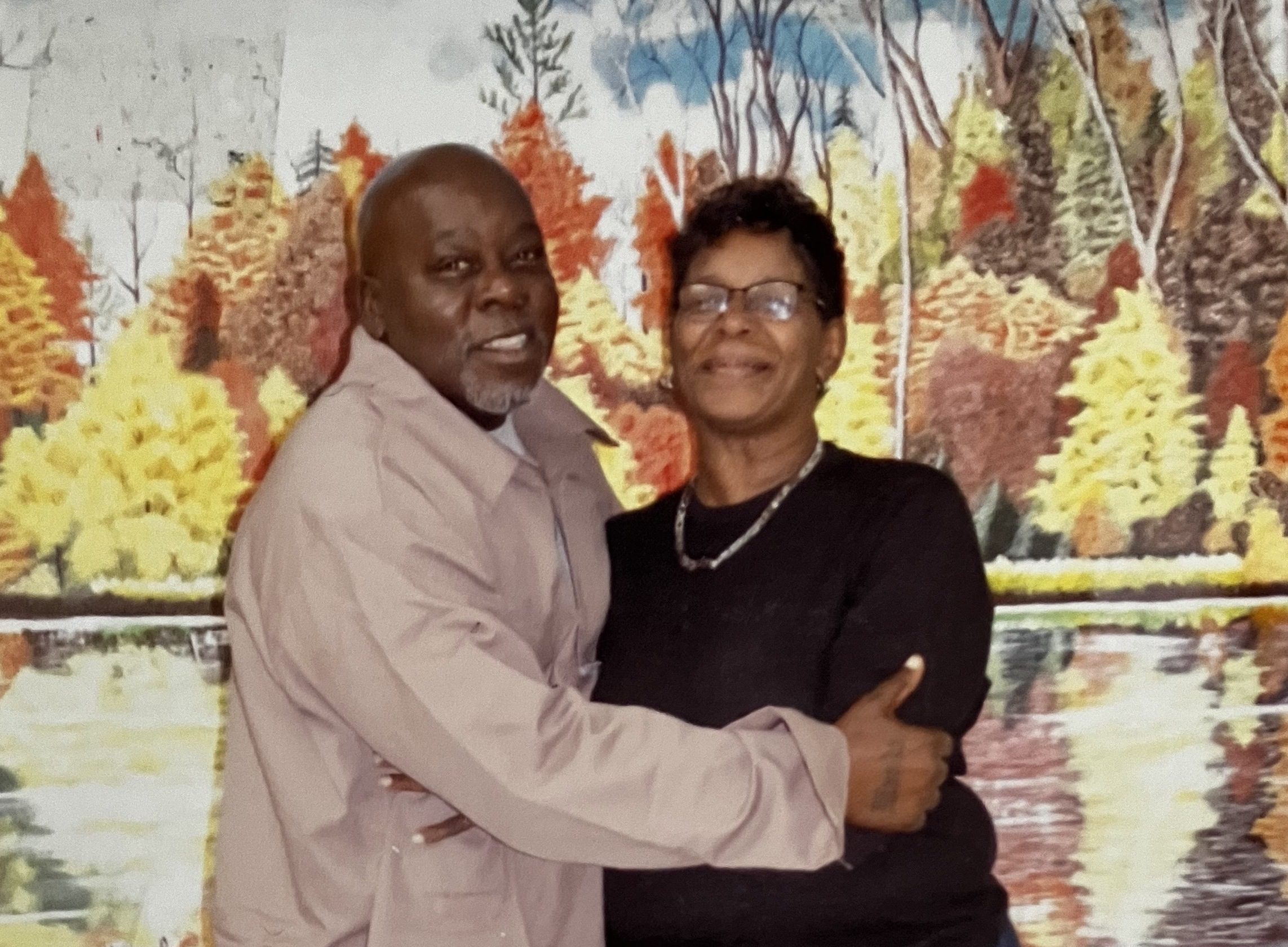
As North Carolina lawmakers push for harsher punishment, the state keeps convicting people under the violent habitual felon law, stretching out prison sentences and adding to the number of people like Mason who are aging behind bars. At 61, Mason is now one of the more than 1,800 lifers over 55 in North Carolina prisons, whose medical needs will only continue to grow and cause an increasing financial strain on a prison system that struggles to maintain safe staffing levels and pay its bills.
Among his many health problems, Mason now suffers from a serious heart condition that required him to get a pacemaker installed several years ago. In fact, a heart attack nearly killed him last year—I remember seeing him stretched out on a gurney in the prison hallway, as six nurses worked to save his life.
Mason says that growing older has changed him, that he’s not the same person who entered prison.
“I’m not so angry anymore,” he told me. “I’ve put God in my life. Now I let him take care of my problems.”
“Ramulus made a mistake,” Wilson told me. “Alex went down there and lied, saying we jumped him. If he’d taken his ass-whuppin’ like a man, none of it would’ve happened.”
It was our fourth 15-minute call to discuss the case and his efforts to get Mason, the man who shot him, out of prison. Mason was nearby as we talked, and with about 10 minutes left on the call, he plugged his headphones into the second port on my tablet so he could join the conversation.
Mason and Wilson told me how they discovered, years after Mason went to prison, that the two are actually cousins. After that, Wilson got close to Mason’s mother, whom he called Miss Clara. He visited her house daily until she passed away in 2007, getting to know Mason’s many siblings and their children. Wilson told us that he’d recently written out a statement and recorded a video begging the courts, or anyone, to set Mason free.
The easy conversation betrayed the adversarial norms of the roles they play within the system, far from a victim confronting his assailant.
Towards the end of our call, Mason smiled and said, “Ricky, you need to send me some pictures of your babies, man.”
Wilson replied, “I’m trying to get you out here so you can meet them yourself.”
Sign up and stay up-to-date
Get timely updates about pressing stories and elections.
Support us
Bolts is a non-profit newsroom that relies on donations, and it takes resources to produce this work. If you appreciate our value, become a monthly donor or make a contribution.