
After Finding a Man on Death Row Innocent, a Judge Wants to Lead the Office That Tried Him
Chris Duncan spent decades in prison based on the junk science of since-discredited doctors. Voters in his Northeast Louisiana hometown could elect the judge who freed him as their DA.
| October 21, 2026
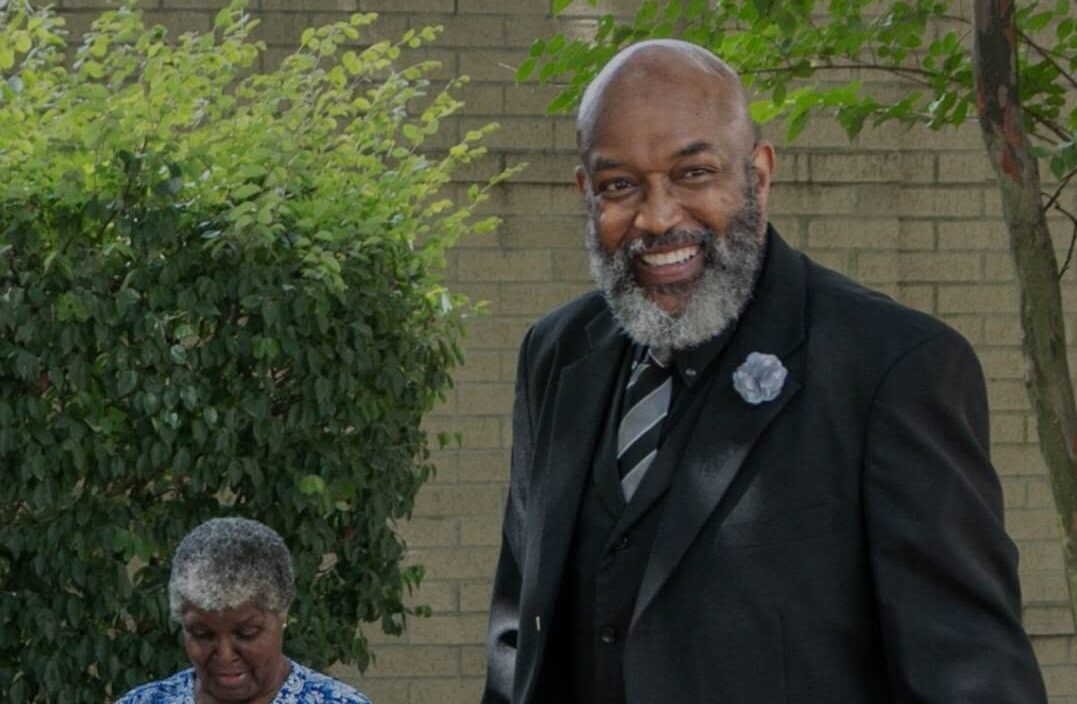
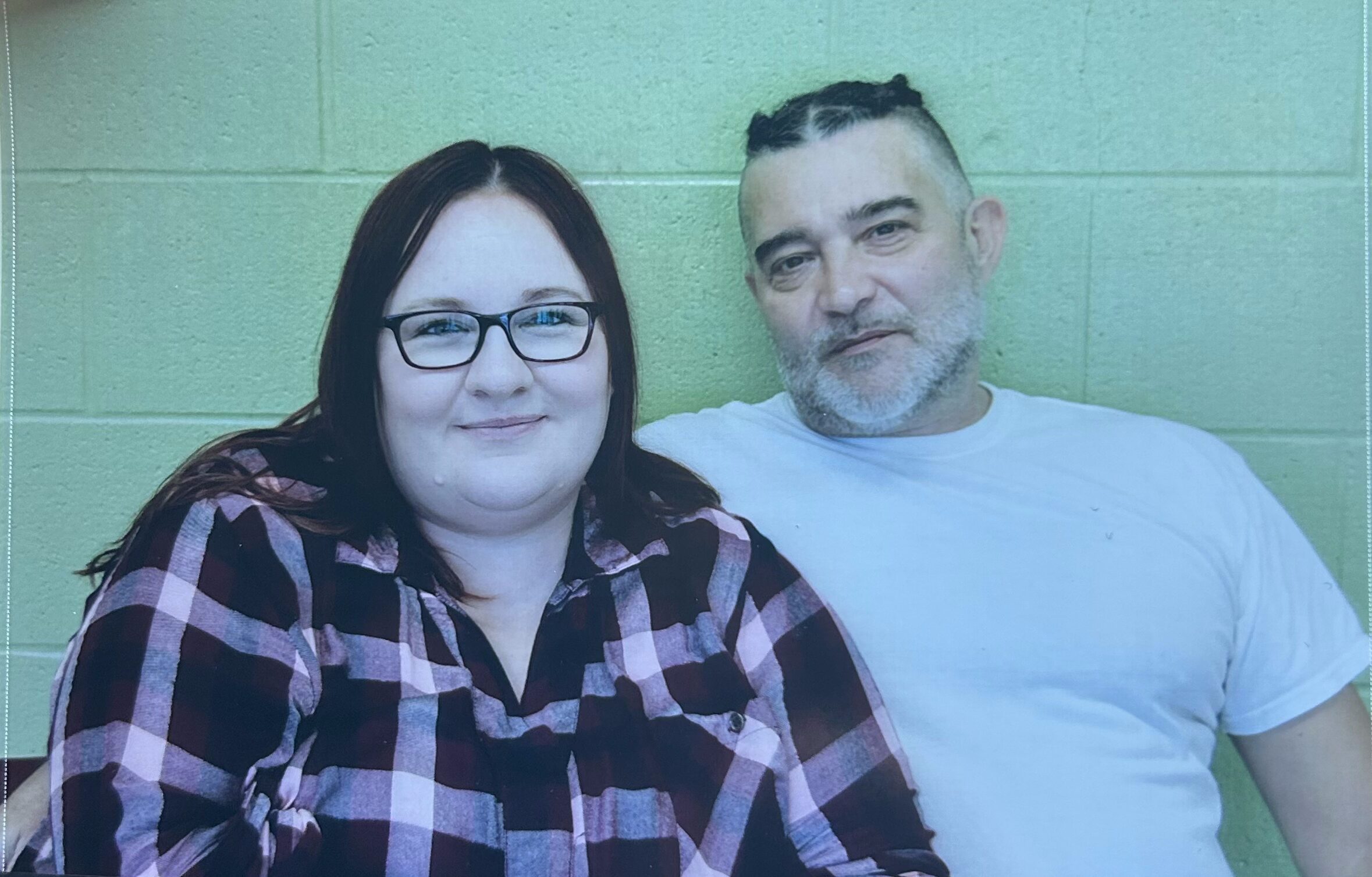
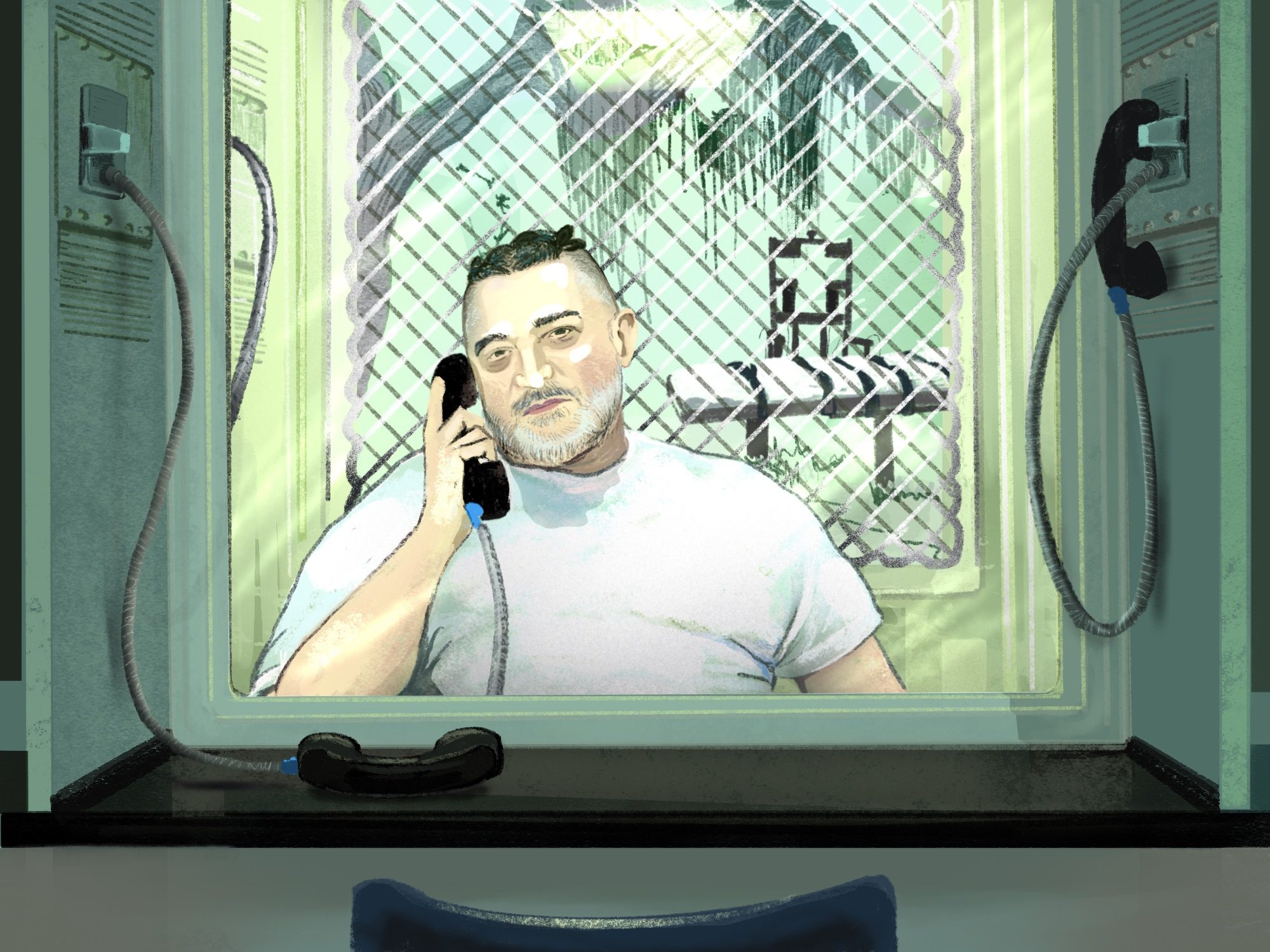
Jimmie “Chris” Duncan had spent nearly 30 years on Louisiana’s death row when a district court judge named Alvin R. Sharp vacated his murder conviction last year. Sharp found that Duncan was innocent of the charge that he murdered his then-girlfriend’s daughter Haley, and that critical evidence in his case amounted to junk science, pushed by two doctors responsible for a host of other wrongful convictions.
Now Sharp is running to lead the district attorney’s office that relentlessly prosecuted Duncan for more than three decades: relying on the testimony of those now-discredited doctors, fiercely opposing his efforts to prove his innocence, and continuing to insist on his guilt even after Sharp’s ruling.
Sharp, who retired from the bench in February to launch his campaign, is hoping to become the first Black DA of Louisiana’s Fourth Judicial District, which covers Ouachita and Morehouse parishes in Northeast Louisiana. He is competing against Mennon Campbell, a former local prosecutor who now works as a criminal defense attorney. Both candidates are running as Republicans, in line with the region’s conservative politics.
No matter who is elected in November, it will mark the end of an era: The office was helmed for a quarter-century by Jerry Jones, the DA who prosecuted Duncan at trial, and for the last decade by Stephen Robert Tew, Jones’ handpicked successor.
“It’s a change that’s been long past due,” Duncan told Bolts.
Sign up for our newsletter
For more on prosecutors
Duncan was released from prison in November 2025, and the Louisiana Supreme Court upheld Sharp’s ruling of innocence this June. Haley’s family also now believes strongly in Duncan’s innocence. But Tew, the outgoing DA, is now trying to revive the case against Duncan, recently demanding DNA from both Duncan and Haley’s mother Allison Statham on the grounds that “new evidence” has emerged in the 1993 case.
Duncan and Statham’s legal teams have both denounced Tew’s actions, and Statham’s attorney told Bolts that Statham strongly opposes new charges against Duncan. “It’s just total harassment,” said Scott Greene, Duncan’s lawyer.
Tew has just three months left in his term, so his successor is likely to inherit the case. But a win for Sharp, who was instrumental in Duncan’s conviction reversal and release, may not ultimately benefit Duncan himself, since the judge told Bolts he’d have to recuse himself. It’s not clear how Campbell would approach Duncan’s case; he didn’t respond to several requests for an interview for this piece.
The next DA will also have to address overcrowding at the local jail, a significant case backlog, and frustration that crime victims’ voices are being ignored. Kevo Meredith, a local victim’s rights advocate who has investigated several cold cases, fears that the DA’s office has “forgotten that when elected, you work for us.”
“Whoever wins, I need one of them to go into this and say, ‘We’re going to fix an office that is just extremely broken,’” Meredith said.
Sharp has a long legal pedigree in Ouachita Parish. His father, said to be the first Black lawyer in Northeast Louisiana, was a well-known civil rights attorney who fought cases challenging segregation and voter role purges. In 1992, when he was just 27, Sharp was appointed city prosecutor of Monroe, the largest city in Ouachita Parish—a job he took over from his older brother, who had left to become a judge.
As city attorney, he defended Monroe police officers in a civil rights case brought by a Black man who had been bitten by police dogs. “I’m a Black lawyer representing the majority white police in a police brutality case against a Black guy,” he told Bolts. “You can imagine what kind of pressure that was.” He argued in court that the officers were within the standard for reasonable use of force, and won his case.
When Sharp joined the bench in 1996, Jerry Jones had already been the DA for six years. Jones was a larger-than-life figure, a showman with a flair for the spotlight.
In late 1993, the drowning death of Haley Oliveaux, gave Jones an opportunity to seize it. Duncan was initially charged with negligent homicide. But after Haley was examined by medical examiner Steven Hayne and dentist Michael West, who reported that Duncan’s teeth “matched” bite marks on the toddler’s body, Jones decided to seek the death penalty. He personally prosecuted Duncan, as he did with any domestic violence case that included a death or serious injury—the “headline-winning cases,” as Cameron Murray, a longtime local defense attorney, put it.
Jones finally retired in 2016. Tew, his successor, had none of Jones’ bombast; he is an administrator who is not in the habit of personally prosecuting the office’s cases. Still, he continued to defend his predecessor’s conviction of Duncan, who had always insisted on his innocence and was pursuing the post-conviction relief process. The DA hired Jones’ longtime second in command, who also served as one of Duncan’s trial prosecutors, to fight the case, and rejected Sharp’s attempt to fashion a compromise that would have allowed Duncan to plead guilty to a lower charge in exchange for time served. (The office would not comment on its involvement in Duncan’s case, citing the open investigation, other than to say: “the evidence will speak for itself in due course.”)
In September 2024, Duncan got the chance to make his case in Sharp’s courtroom, his first opportunity to present new evidence of his innocence in court in decades. The hearing featured a series of experts who testified that bite mark evidence has been roundly scientifically discredited in the intervening decades, and that Hayne and West in particular have been exposed as charlatans. The court watched a video that Duncan’s defense team had unearthed showing West scraping a mold of Duncan’s teeth against Haley’s body, appearing to create the marks he was supposedly identifying.
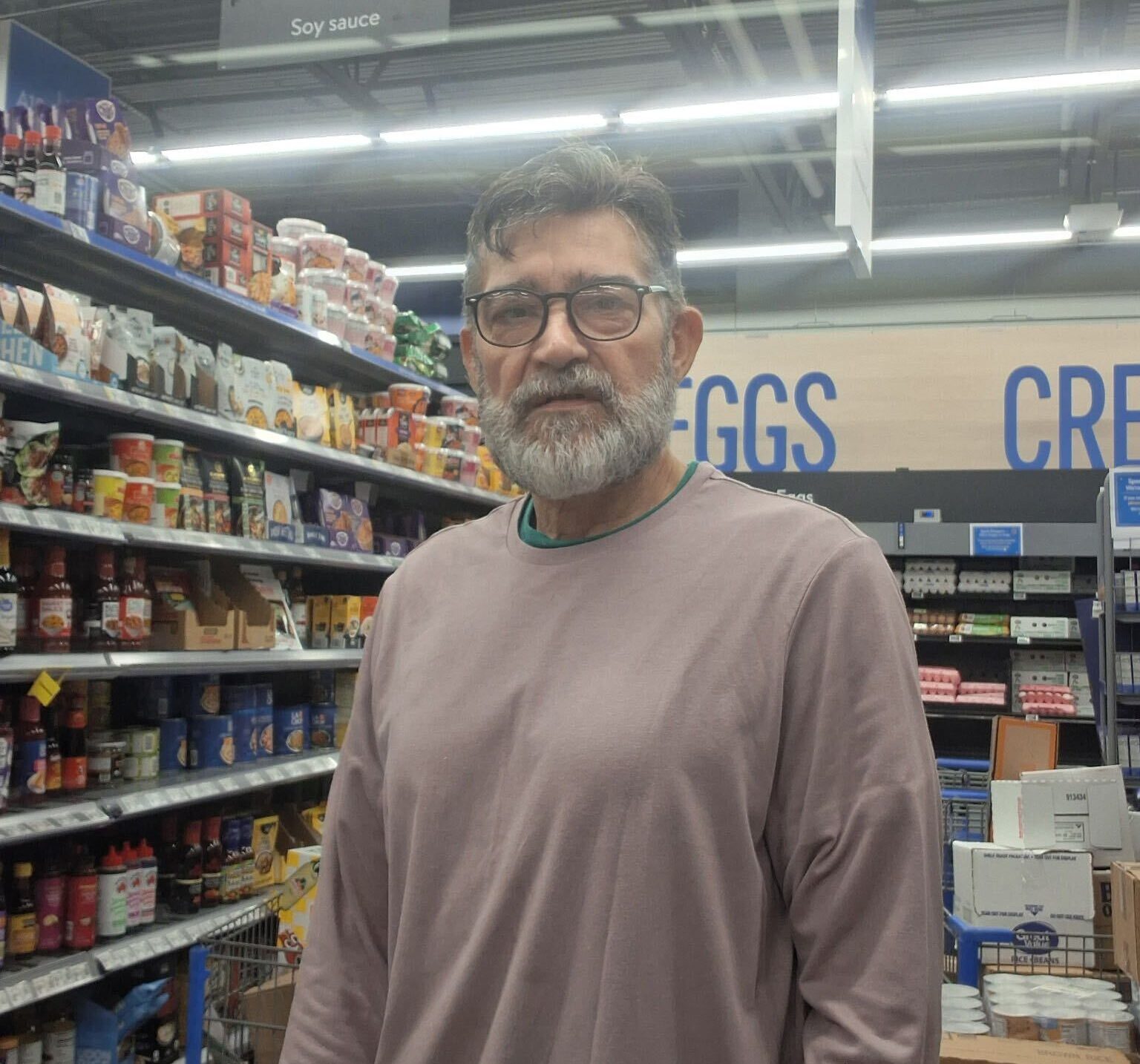
Sharp listened carefully to the evidence and told the court he’d “learned so much more” about bite mark evidence than he knew before. The jumpy, big-city energy of one of Duncan’s lawyers clearly amused the judge, who at one point laughingly admonished him: “We’re in the South!”
If he becomes DA, Sharp says he would set up a conviction integrity unit to review other old cases like Duncan’s in order to identify procedural errors or evidence of innocence. Similar units have led to exonerations in New Orleans and around the country, though they have often fallen short of expectations.
During his years on the bench, he said, “I have seen enough instances where I was not convinced that justice was being sought first” by the prosecutor’s office in this district, citing Duncan’s case as an example.
But, counterintuitively, Sharp’s candidacy isn’t necessarily good news for Duncan himself. The Louisiana Supreme Court’s decision that upheld his ruling and found Duncan factually innocent triggered a one-year deadline for the DA’s office to file new charges, until June 2027; the office could also formally acknowledge Duncan’s innocence at any point.
Given the pivotal role he played in the case, Sharp told Bolts he would have to recuse himself on the question of whether to bring new charges against Duncan or put the case to bed forever. Local attorneys told Bolts that the most likely outcome would be for the case to fall into the hands of Attorney General Liz Murrill, an ardent champion of the death penalty who has sought to restart executions in the state since entering office in 2024.
Murrill has championed legislation that makes it harder for prisoners to challenge their convictions and argued in court that Louisiana should execute death row prisoners who had not yet exhausted their appeals, a claim which the state supreme court rejected.
Given Murrill’s record, the possibility troubles Duncan. “It’ll be a travesty if they end up with it,” he said.
Meredith, the victim’s rights advocate who has been critical of Tew’s inaction on a number of cold cases he’s worked to gather more information on, believes that while the office is “actively pursuing” retrying Duncan, it is neglecting other crimes.
“There are cases that have actual evidence that just get pushed to the back burner, families that get pushed to the back burner,” he said.
Sharp echoed this criticism, pointing to Tew’s continued prosecution of Duncan amidst this backlog as evidence of the office’s disordered priorities. “A case like that, it takes a lot of time, it takes a lot of energy, it takes a lot of resources, manpower,” he said.
Sharp was a Democrat for much of his life but switched his voter registration to Republican a few years ago. Louisiana has been controlled since January 2024 by an all-GOP state government, led by Murrill and Governor Jeff Landry, that has enacted a harsh and punitive agenda: more executions, fewer paths for prisoners to challenge their convictions, harsher youth criminalization, fewer chances for parole.
Asked if he shares state Republicans’ vision for criminal justice, Sharp told Bolts, “If that were true, then Jimmie Duncan would probably still be at Angola.” He added, “Alvin Sharp is his own man.”
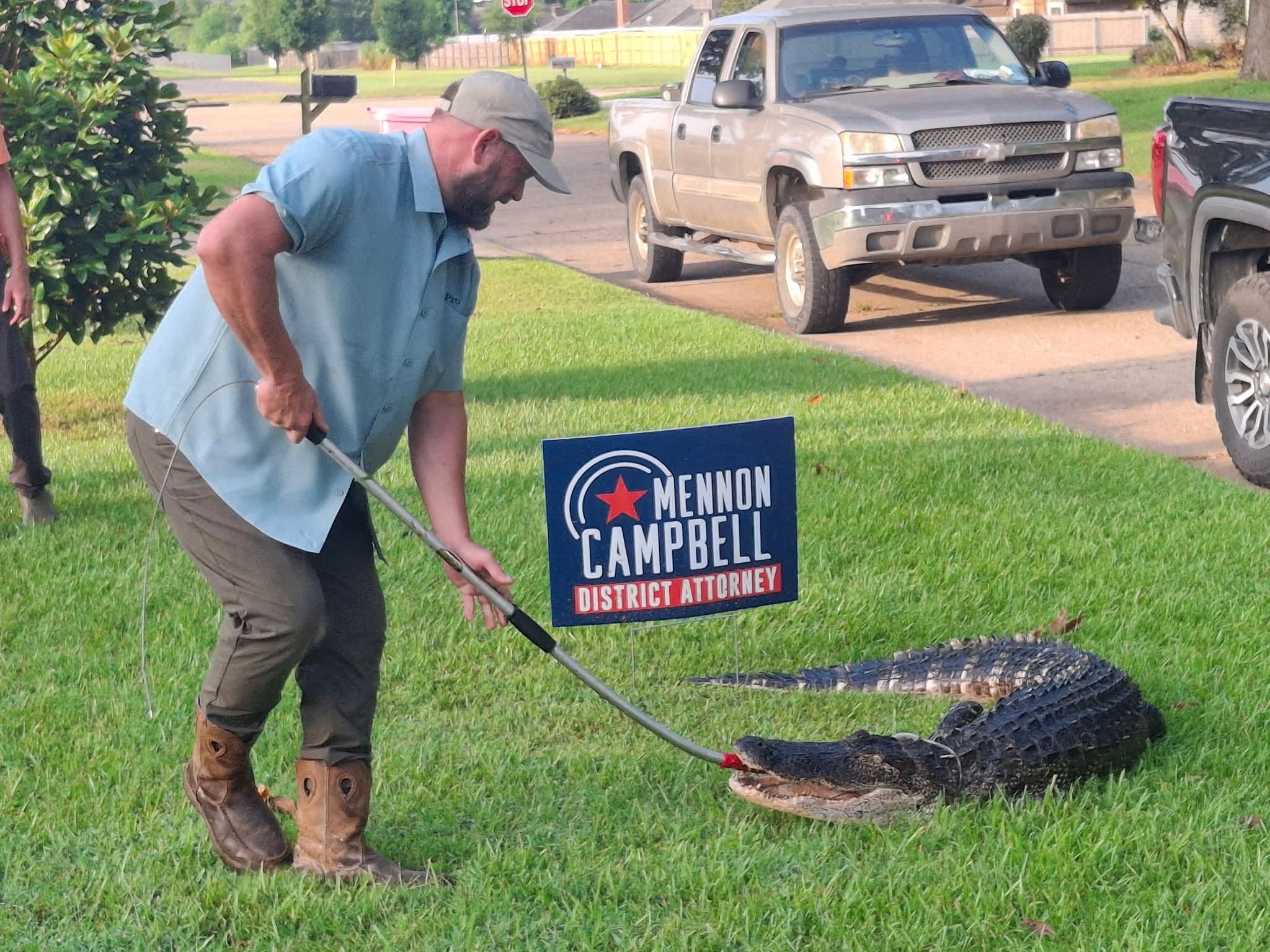
Still, both Sharp and Campbell, his opponent, have sounded broadly similar notes by highlighting their commitment to aggressively prosecuting crime. They also say they want to work through the office’s backlog of cases that’s contributing to dismal conditions in the local jail, where people are held pretrial. “There’s people sleeping on the floor,” Murray, the local defense attorney, said.
Campbell does not have detailed campaign proposals on his website, and did not respond to repeated inquiries for this piece. In a recent podcast interview, he indicated he’d seek the maximum charges for a repeat offender, meaning a burglar could get 24 years in prison if it were his second felony, or life imprisonment for a third felony conviction. “I don’t want that guy back in my community,” he said. He has not indicated whether he would continue the attempt to prosecute Duncan if he takes office.
Sharp said in a different podcast hosted by Meredith that he would not rule out seeking the death penalty as DA, and pledged to enact a “no tolerance” policy for people who commit crimes against children and the elderly.
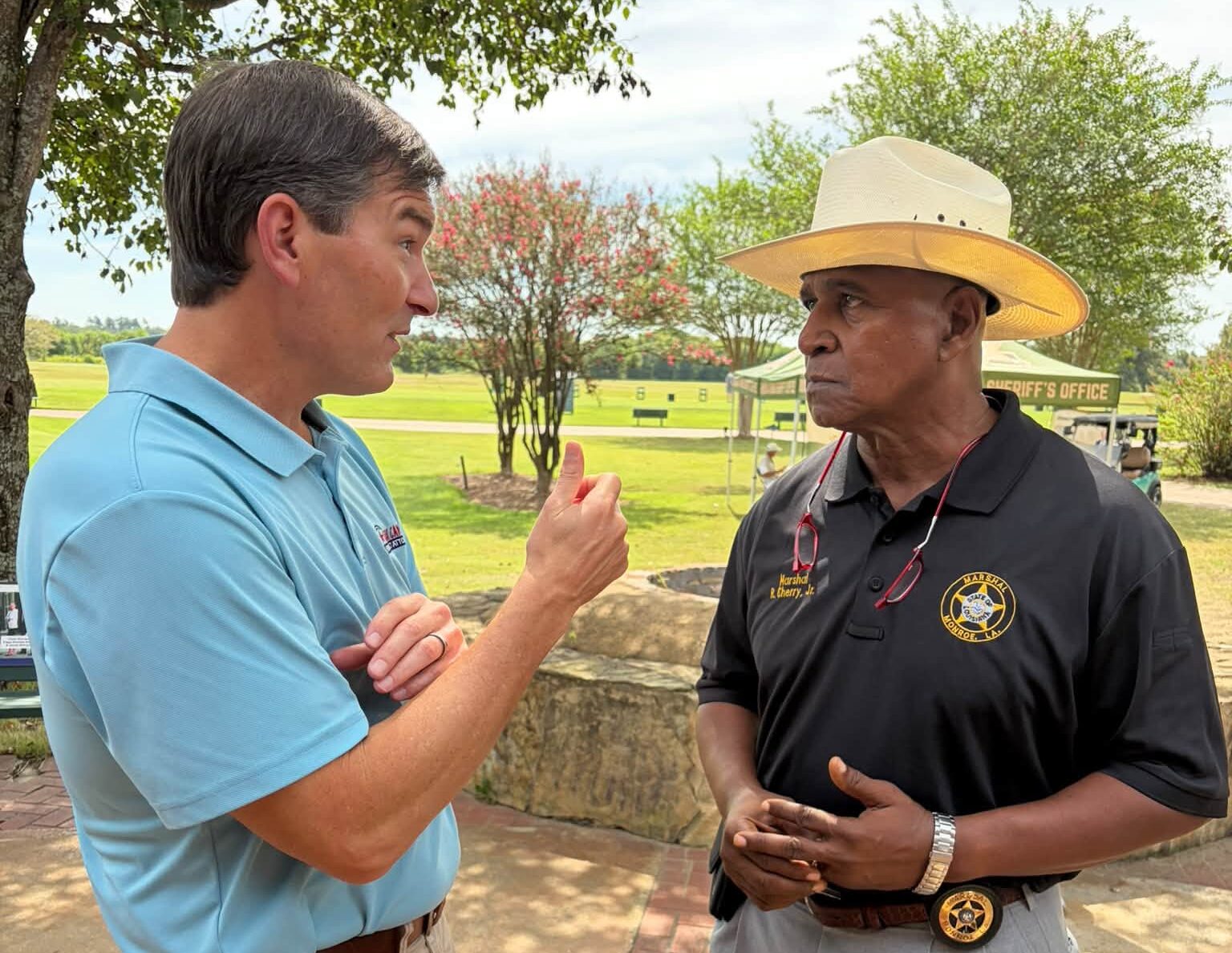
Meredith, who considers himself a “staunch conservative,” told Bolts he had initially considered himself a Campbell supporter but was impressed with Sharp’s conviction and ideas for the office during their podcast interview and is now on the fence. Murray told Bolts he had always enjoyed defending cases before Judge Sharp but is backing Campbell after questioning Sharp’s judgment on the bench in recent years. Campbell is also supported by a number of current and former sheriffs from Ouachita and Morehouse parishes.
In some ways, Duncan said, the issues that characterized his case—especially bite mark evidence, now roundly discredited—are relics of an earlier time, when prosecutors were “doing whatever they wanted to people because nobody was taking a second look.”
On the other hand, he said, the office’s continued pursuit of his case, and the fact that many of the same figures are still involved, proves that more needs to change.
To Duncan, new leadership at the DA’s office represents an important chance to restore trust in the criminal legal system. Before he was wrongfully convicted, that system was “something I used to believe in,” he told Bolts. “I don’t believe [in] that anymore because I’ve seen the truth of it.”
But he hopes nonetheless that “if we have better people in office being fair to people, and people going through the system knowing they got what they deserve, not anything more … there’s a better chance that those people are going to go through the system and get right.”
Sign up and stay up-to-date
Get timely updates about pressing stories and elections.
Support us
Bolts is a non-profit newsroom that relies on donations, and it takes resources to produce this work. If you appreciate our value, become a monthly donor or make a contribution.