
A Rural Florida County Quietly Built a Flock Camera Network. Now It’s Dismantling It.
The local sheriff ended his county’s Flock partnership, just hours after Governor Ron DeSantis ditched the technology. They’re part of a growing group of GOP leaders turning against Flock.
| September 16, 2026
Just outside of Tallahassee, nestled among rolling hills and pecan groves of Florida’s Big Bend region, Jefferson County is one of the most rural parts of the state. With only 16,000 residents, it’s also the only county in Florida with no traffic lights, a fact many locals will tell you with pride.
The farmers, retirees, and small business owners who call the county home have long worked to preserve its distinct rural character. In 2020, residents pressured Jefferson County commissioners to pass a resolution opposing a proposed toll road, arguing it would invite national chains and destroy the region’s pastoral landscape. Florida lawmakers later removed Jefferson County as the planned terminus of the road. Last year, residents again packed public meetings when a Love’s Travel Stop was proposed. Despite the revenue the project promised the county, the proposal was ultimately withdrawn after failing to gain enough support.
So it was a shock for Jefferson County residents to learn over the summer that a sprawling network of automated surveillance cameras was quietly taking root across the county.
“As far as I know, we weren’t notified. We didn’t get to vote on it,” Kiley Haselden, a 28-year-old farmer who grew up in Jefferson County, told Bolts. “[The cameras] just showed up, and people started noticing.”
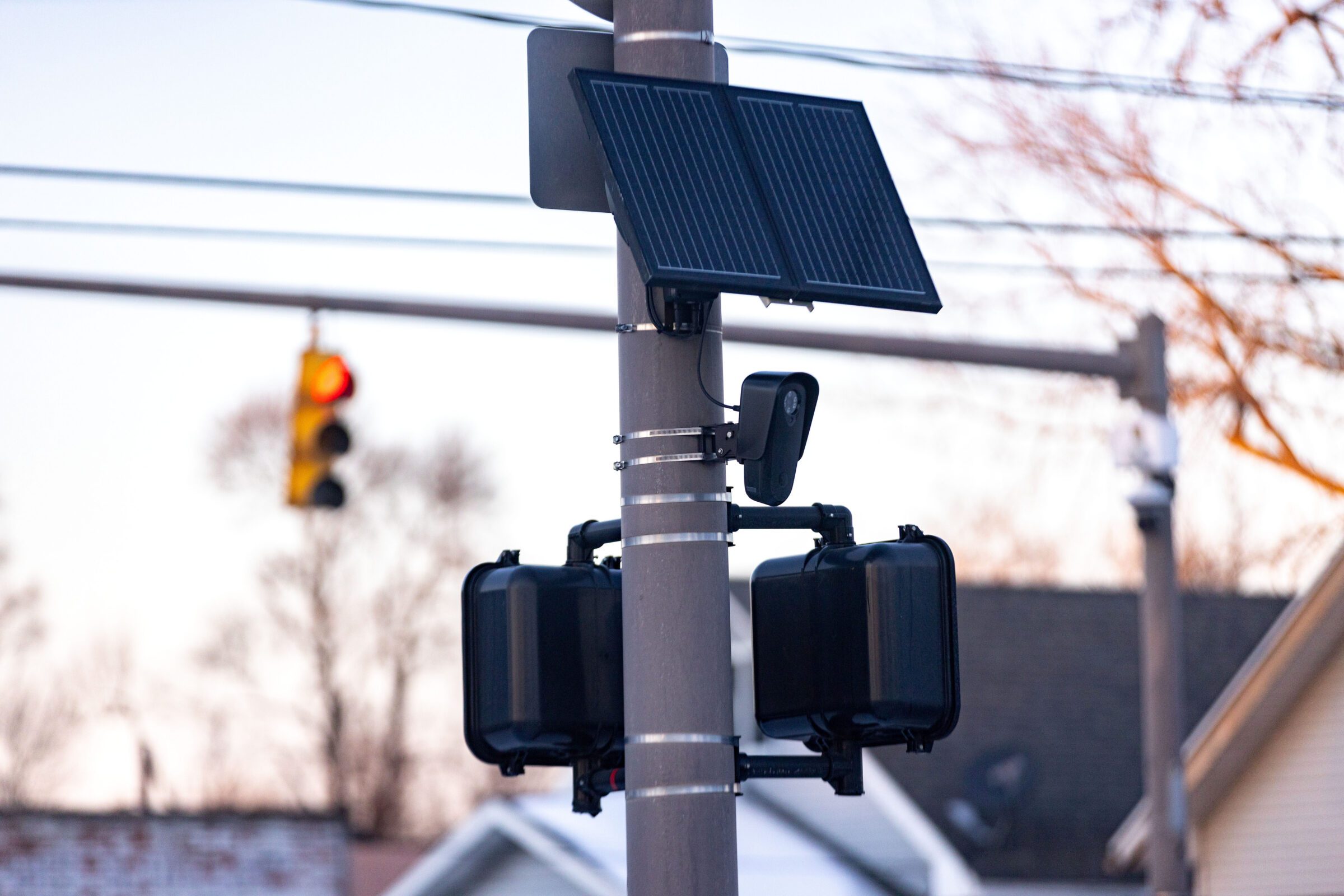
Records reviewed by Bolts found that the Jefferson County Sheriff’s Office has been paying for Flock Safety’s automated license-plate readers (ALPRs) since at least 2023, building an extensive network across the county.
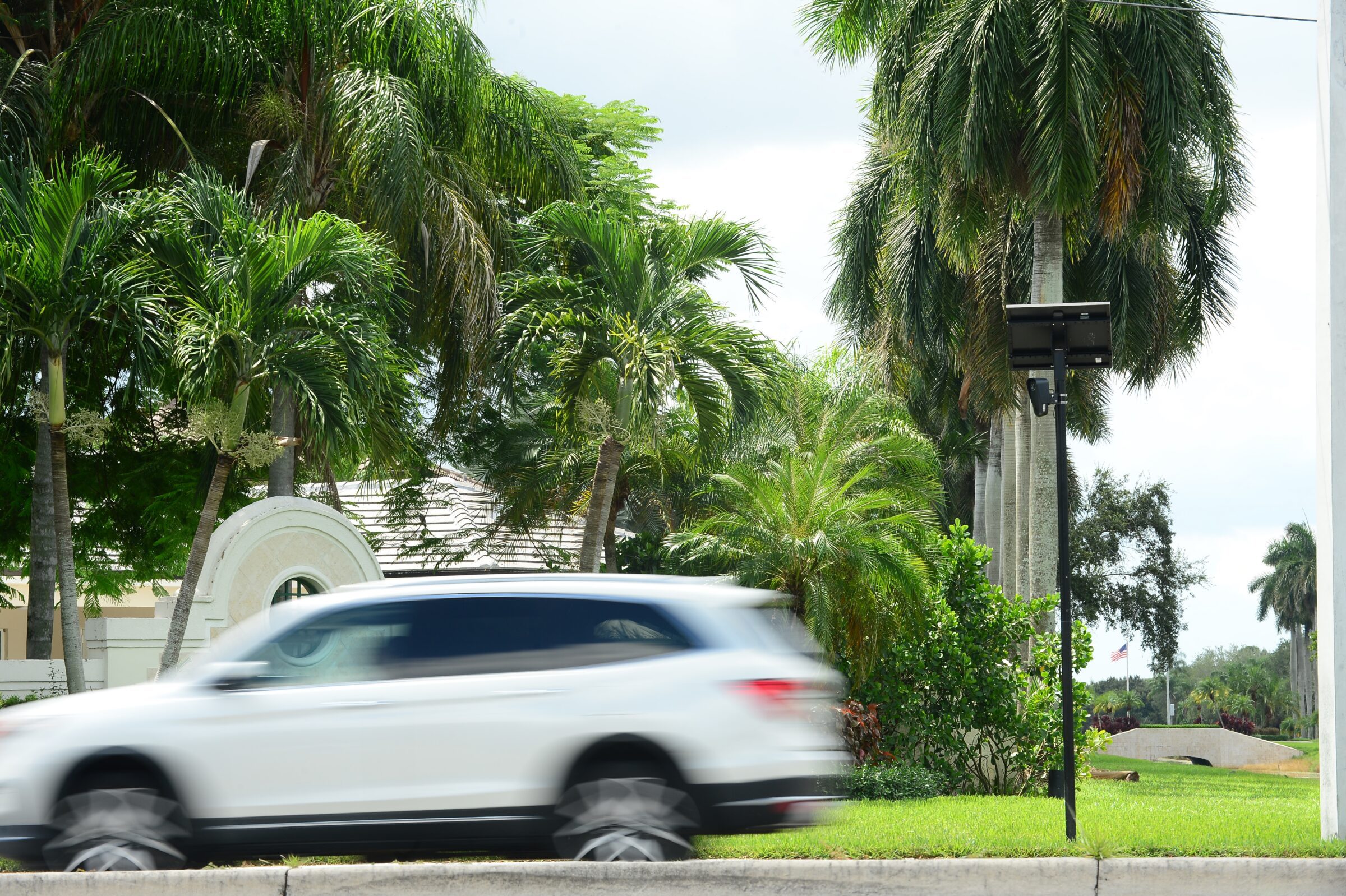
Deflock.org, a crowdsourced map of these cameras, has flagged Jefferson County as home to 44 automated ALPRs—about 28 cameras per 10,000 residents—making it one of the densest license-plate-reader networks in the country, according to the map. Most of the cameras listed on the map are identified as Flock devices. Jefferson County Sheriff Mac McNeill had previously touted the technology’s potential to help fight crime and improve public safety.
But now, after years of expansion, growing opposition to the tech is causing this network to be dismantled.
On Aug. 31, McNeill announced that Jefferson County would end its license-plate-reader program and deactivate the cameras.
“After careful consideration and listening to the public’s feedback—including both those who supported and those who opposed the use of this technology—I have made the decision to discontinue the use of FLOCK/LPR camera technology in Jefferson County,” McNeill wrote in a Facebook post.
McNeill’s announcement came just hours after a decision by Florida Governor Ron DeSantis’ administration to remove Flock cameras from state roads. And it added to other Florida law enforcement agencies that have decided to end their ALPR programs, part of growing pushback in this and other red states against Flock cameras, broadening the coalition from civil rights advocates on the left who’d primarily pushed against this surveillance network in recent years.
The order by the Florida Department of Transportation revoked existing permits for automated license plate recognition systems, including Flock cameras, located within the right-of-way of roads on the state highway system, citing “concerning reports of misuse” and “data privacy concerns.” While the order does not amount to a statewide ban on Flock cameras, it requires agencies to remove cameras located in the state highway right-of-way.
McNeill, a Republican who was appointed sheriff by then-Governor Rick Scott in 2017 and then elected by voters in 2018, wrote that Jefferson County’s cameras were “no longer operational” and were not collecting vehicle information, though the full removal process could take months.
He defended the program as a way for a small, rural and fiscally constrained office to stretch limited resources—a “force multiplier,” in his words—and said the technology had helped his deputies solve murders, locate missing and endangered people, recover stolen vehicles and identify suspects. His office did not provide specific cases to substantiate those claims.
“At the same time, technology is advancing at a pace that can be difficult for our legal and judicial systems to keep up with,” McNeill wrote. “There will always be a balance between giving law enforcement the tools necessary to protect our communities and ensuring that those tools are used in a manner that respects the constitutional rights and privacy of the citizens we serve.”
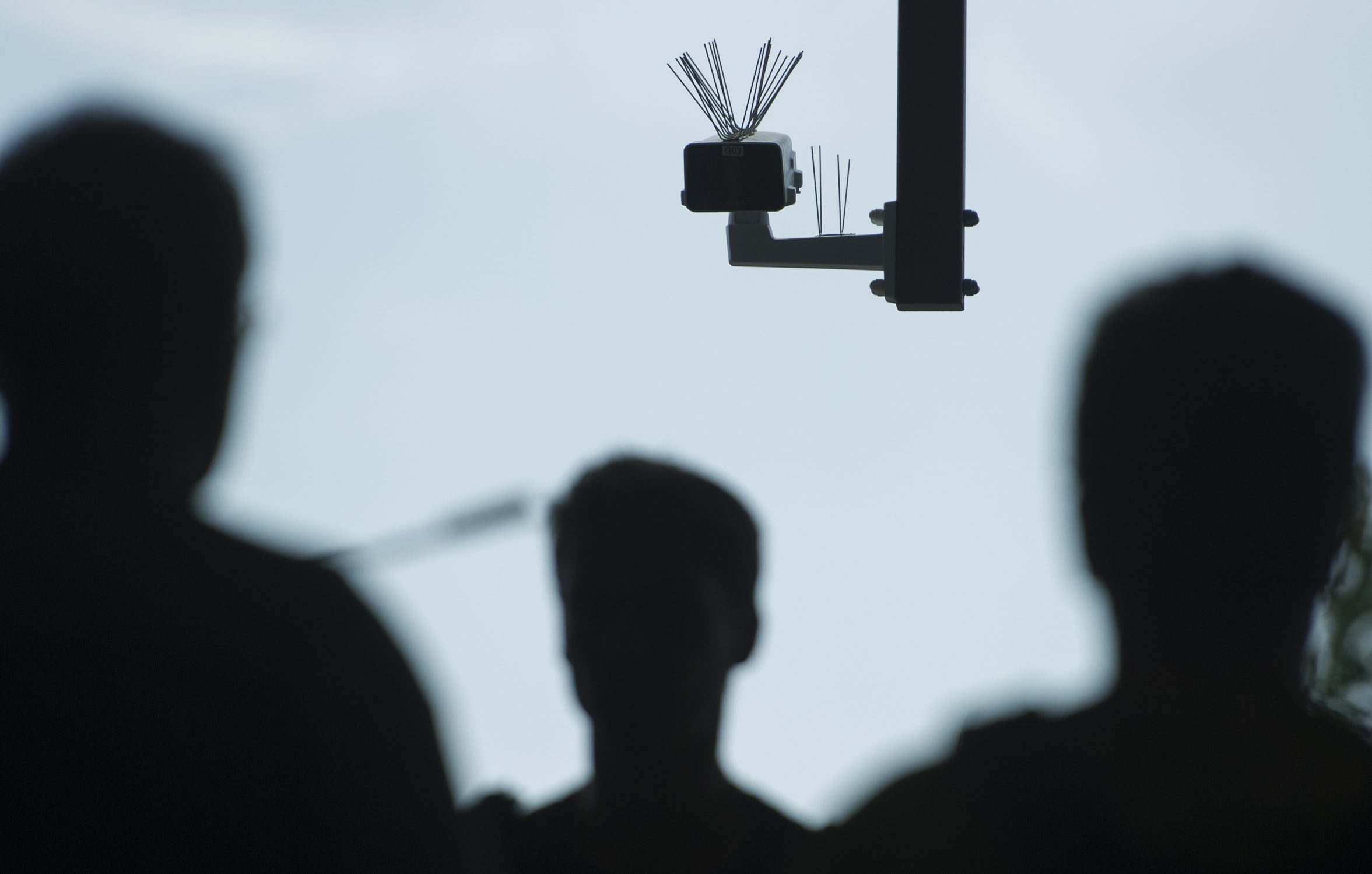
Since its founding in 2017, the Atlanta-based Flock Safety has rapidly expanded its surveillance network, operating more than 120,000 automated license plate readers across every state except Alaska. The devices use artificial intelligence to capture license plates and other details about vehicles, including their makes, models, and color. Information from individual jurisdictions is compiled into a searchable database that participating law enforcement agencies can use to access data collected by cameras operated by other agencies, allowing police to track where vehicles have been over time.
But the past year has seen a growing backlash against the technology, driven by privacy concerns and reports of police misusing the systems. Jurisdictions around the country have ended their Flock contracts, and the opposition has crossed party lines; DeSantis is the latest Republican state official to restrict Flock operations, just days after Texas Governor Greg Abbott ordered all state agencies to pause funding for the cameras in late August. The GOP governors raised concerns about government surveillance and the collection of data on people who have not been accused of crimes. Meanwhile Angie Nixon, Democrats’ U.S. Senate nominee in Florida, is warning that license-plate data could be shared with federal immigration authorities and says she would work to require warrants.
“This is kind of something that everybody agrees on,” Haselden told Bolts.
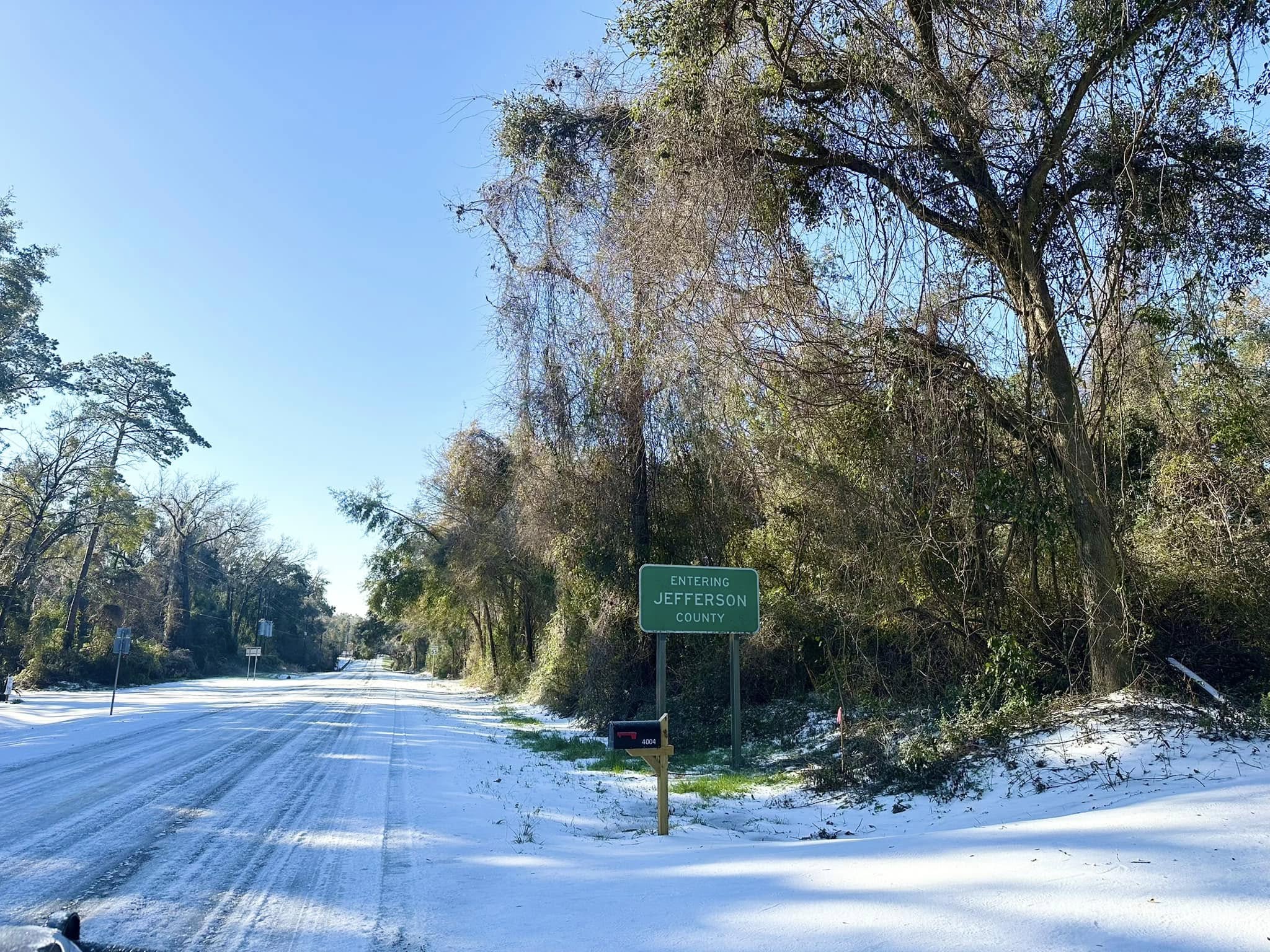
Jefferson County resident DaLila Gebhard, a 54-year-old whose family has lived for generations in Wacissa, a tiny spring-fed river community in the county, didn’t notice the cameras until several months ago. Now, she told Bolts, she can’t drive more than a few miles without passing one—including the three cameras located within a mile of her home.
She told Bolts one of the cameras was recently knocked down and replaced within weeks. The sheriff’s office did not respond to emails about the alleged incident.
“I know most people feel the same way I do, that it’s invasive,” Gebhard told Bolts. “We’re not criminals.”
She continued: “We are just a very tiny little village right here out in the middle of nowhere. You know, everyone knows everybody. So it’s very odd that we’ve got so much surveillance.”
Neither Gebhard nor Haselden recalls any county-led public forums to get feedback on bringing the cameras into the county. In a Facebook group called Jefferson County, FL Word of Mouth, residents recently debated the cameras. Some called for their removal, while others expressed mixed feelings. One asked: “Why were the residents not made aware before installation?”
Records reviewed by Bolts show the sheriff’s office budgeted $25,000 for Flock cameras in 2023-24, $42,947 in 2024-25 and $50,000 in 2025-26. The funds represented less than one percent of the office’s overall budget each year, but were growing; it proposed $55,000 for Flock and Arlo technology in 2026-27.
The office’s annual budgets, which included Flock cameras, went before Jefferson County commissioners and were approved each time, but commission meeting minutes reviewed by Bolts show little evidence of any public discussion about the surveillance technology.
McNeill did not respond to repeated interview requests and declined to answer questions from Bolts about why his office initially brought the cameras to Jefferson County, what prompted his decision to end the program, and what will happen to the sheriff’s office’s contract with Flock.
In an email to Bolts, Marie Rigdon, an executive assistant at the sheriff’s office, said McNeill is “not available for questions or comments regarding this matter at this time.”
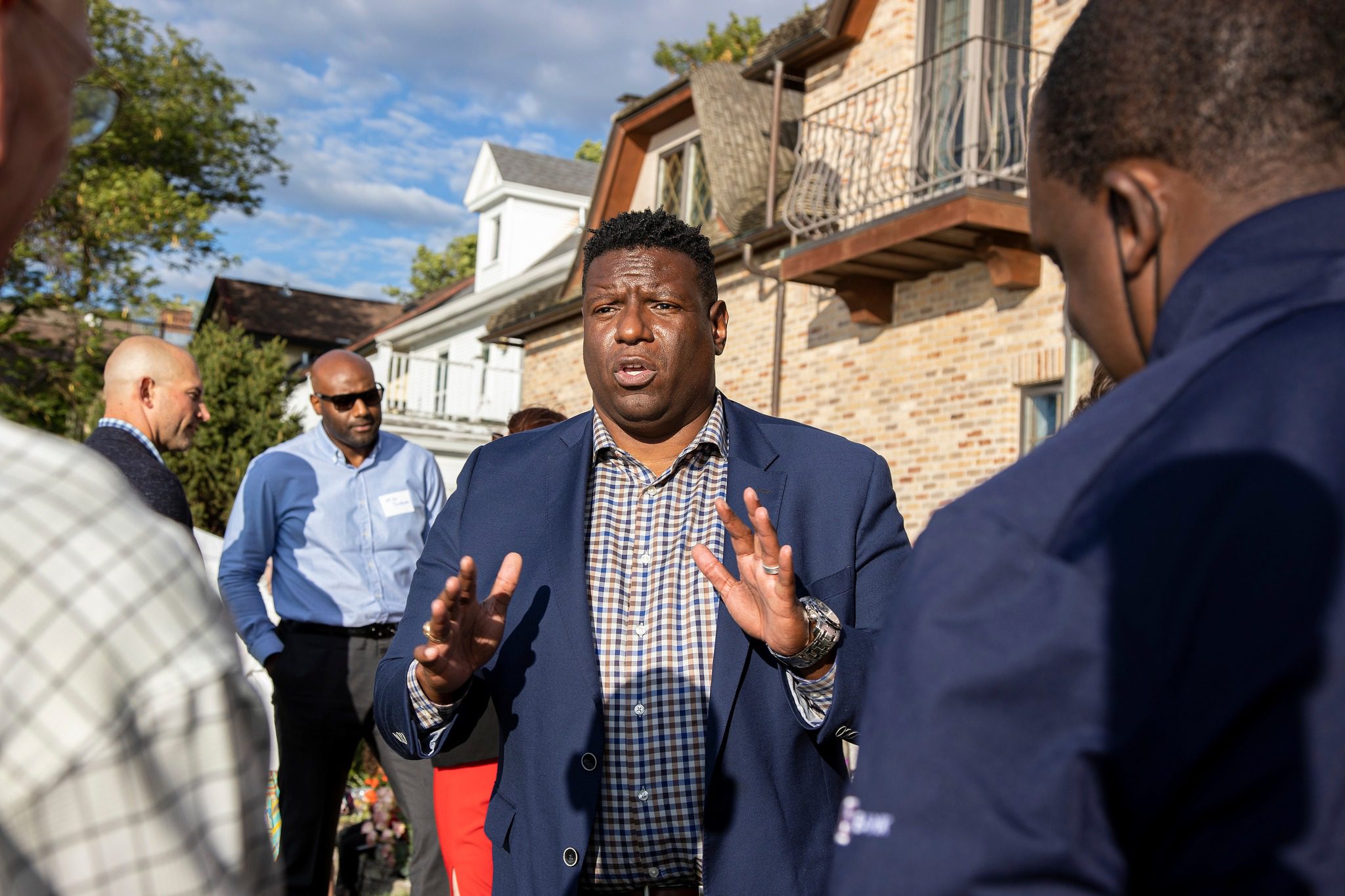
McNeill did explain some of his thinking at a public meeting on Sept. 3. Acknowledging community pushback, he told the crowd, “We try to use technology the best way we can. It just needs to be the right technology and the type of technology the community supports.”
Flock leases its cameras and manages installation, maintenance, and removal, according to its website. If an agency requests that cameras be turned off before removal, the company says it can deactivate them remotely at any time.
When an agreement expires or is terminated, Flock says platform access is disabled, cameras are remotely deactivated, and the company works with the agency to “schedule physical removal.” A Flock Safety spokesperson did not respond to questions from Bolts about Jefferson County’s contract.
The physical removal of Flock cameras can take months even after an agency ends its contract. In Verona, Wisconsin, the city ended its agreement with Flock but found the cameras still installed months later. City officials said Flock was slow to remove them, and the city eventually covered the cameras with plastic bags until the company agreed to take them down.
During the Sept. 3 commission meeting, a Jefferson County resident rose to the lectern to commend McNeill for getting rid of the Flock cameras.
“Normally I come here to complain, but today I’m happy,” the man said. He praised DeSantis for removing the cameras from state roads and McNeill for going “a step beyond that” by ending the sheriff’s office’s program on county roads as well. “Amen, hallelujah,” he said.
He called the cameras “tremendously invasive,” saying the technology creates “all sorts of bad things for innocent people like me that just ride on Highway 90 to go to church or go shopping.”
“Why do I need to be in that database?” he asked.
McNeill went to the lectern shortly afterward. He said the cameras had been a “fantastic tool” for his office but that he ultimately had to weigh their usefulness against residents’ concerns about privacy and constitutional rights.
He said his office had been discussing what would happen to the Flock contract when it expired, but DeSantis’ announcement accelerated the decision to end the program.
“We want the community to feel comfortable in the type of policing we perform, and we want them to be comfortable in the way that we serve them,” he said.
McNeill said he now hopes to redirect money that had been earmarked for the cameras toward hiring another sheriff’s office deputy, something the resident who spoke had previously written the sheriff to suggest.
“That’s where we should have our money going,” the man said. “Actual humans solving actual crimes.”
Sign up and stay up-to-date
Get timely updates about pressing stories and elections.
Support us
Bolts is a non-profit newsroom that relies on donations, and it takes resources to produce this work. If you appreciate our value, become a monthly donor or make a contribution.