
After Flipping Blue, a California City Syncs Up Local Elections with High-Turnout Contests
Latino organizers have long warned that Whittier’s odd election dates suppressed the vote. Voters approved rescheduling future elections to November, joining a nationwide trend.
| November 24, 2026
The city of Whittier, just east of Los Angeles, elected its first Latino-majority city council this spring after a slate of Democratic candidates swept local elections. It was a major upset not only because a longtime mayor and councilors lost in a landslide, but also because the results defied the city’s oddly-timed spring elections; historically, that timing has dampened turnout and helped more conservative and largely white politicians remain in office.
Now, voters have approved a measure to reschedule Whittier’s local elections so they align with higher-turnout state and federal contests in the fall. Advocates say the change will ensure city officials are chosen by a larger and more diverse electorate than in the past, and help Whittier’s government better represent the people who live there.
The measure was placed on the ballot by the new councilors elected in March, fulfilling a core campaign promise. “Off-cycle elections are a form of voter suppression,” James Becerra, the victorious candidate for mayor, told Bolts this spring. Becerra and his allies proposed scheduling future local elections in November of even-numbered years, and their reform passed on Nov. 3 by an overwhelming margin, 80 percent to 20 percent.
“This is going to guarantee that we have a city council that represents what the city of Whittier looks like, in terms of the diversity we have in the city,” said Angie Medina, the leader of a local Latino community organization and a longtime advocate for changing the timing of elections in Whittier. “This was the number one factor in terms of getting fair elections and ensuring a high voter turnout.”
“It’s nice to see this is going to be the future for the city of Whittier,” said Medina.
Subscribe to our newsletter
For more on local elections
Once a bastion of conservatism best known as Richard Nixon’s hometown, Whittier has been predominantly Latino for decades, and it now reliably votes blue in federal and state elections. But that pattern hadn’t held true for local elections, as Bolts reported in May; until this year few Latinos had been elected to office since the 1990s.
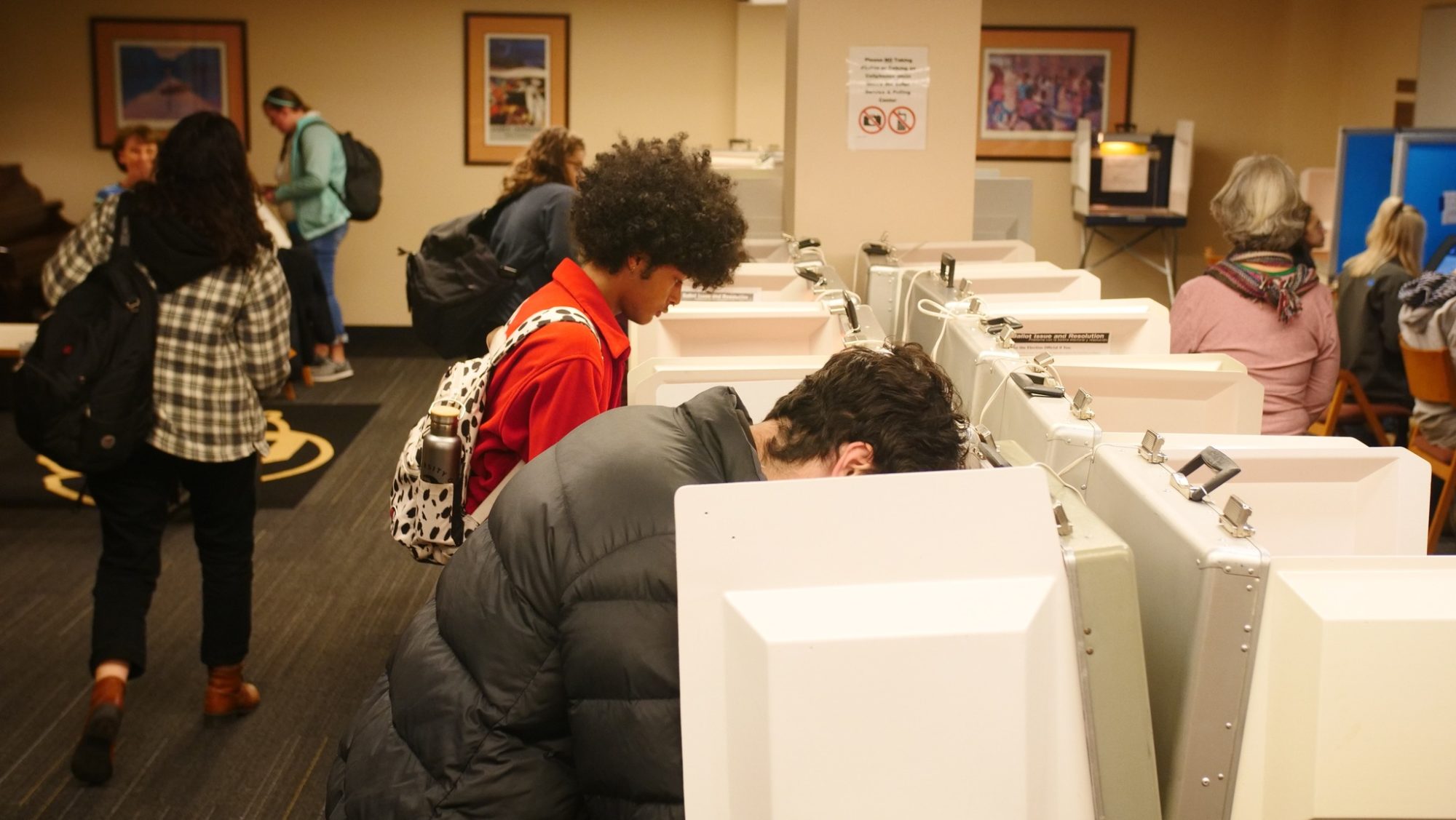
Research has shown that off-cycle elections reduce turnout among groups who tend to be under-represented at the polls, including renters, young people, and voters of color.
According to Luis Reyes, who led the campaign urging voters to approve the change to November elections, many Whittier residents weren’t tuned in to local politics until recent years. Few people were engaged in the springtime elections, and not many people were aware of the political beliefs of their elected officials.
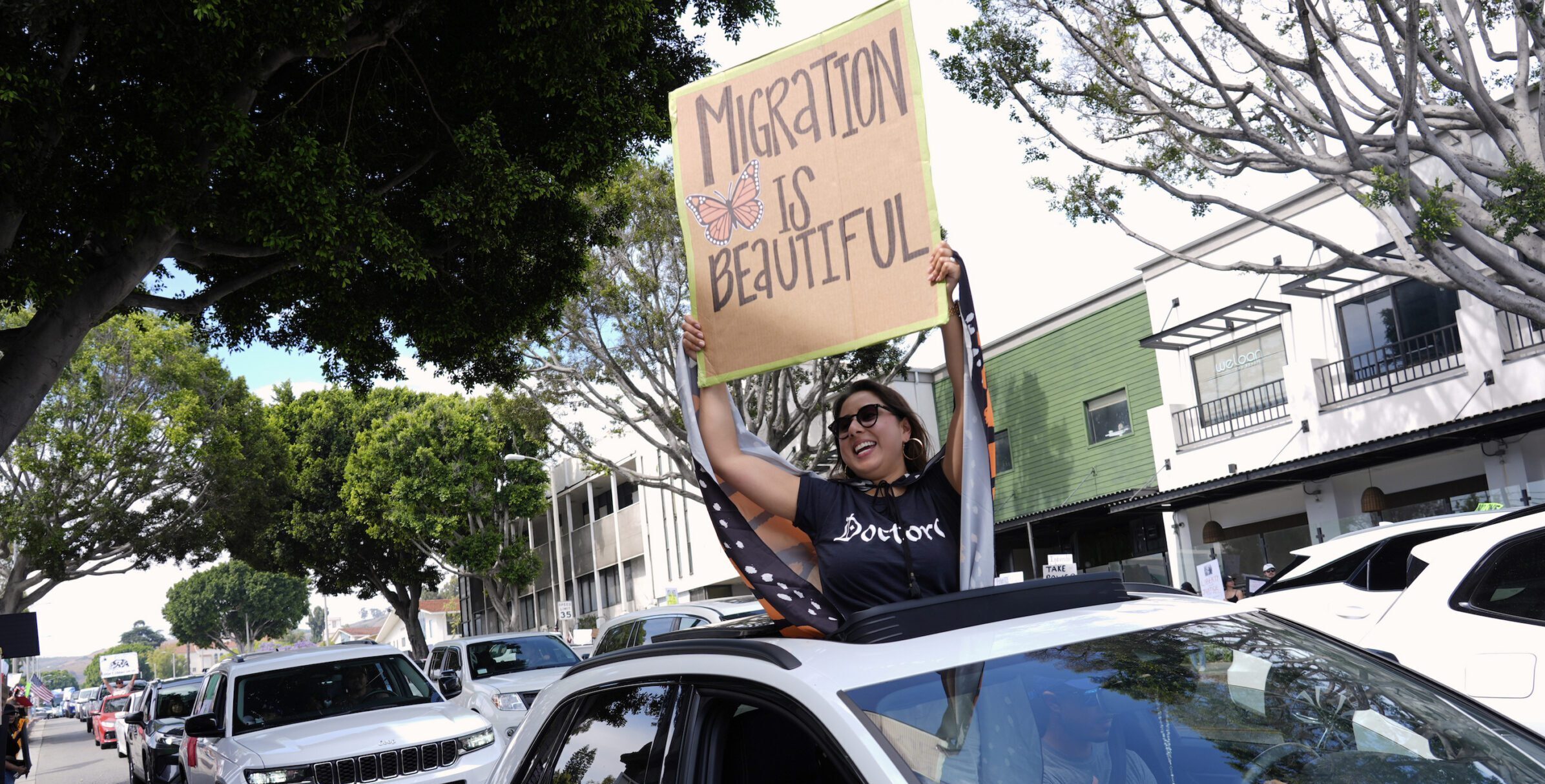
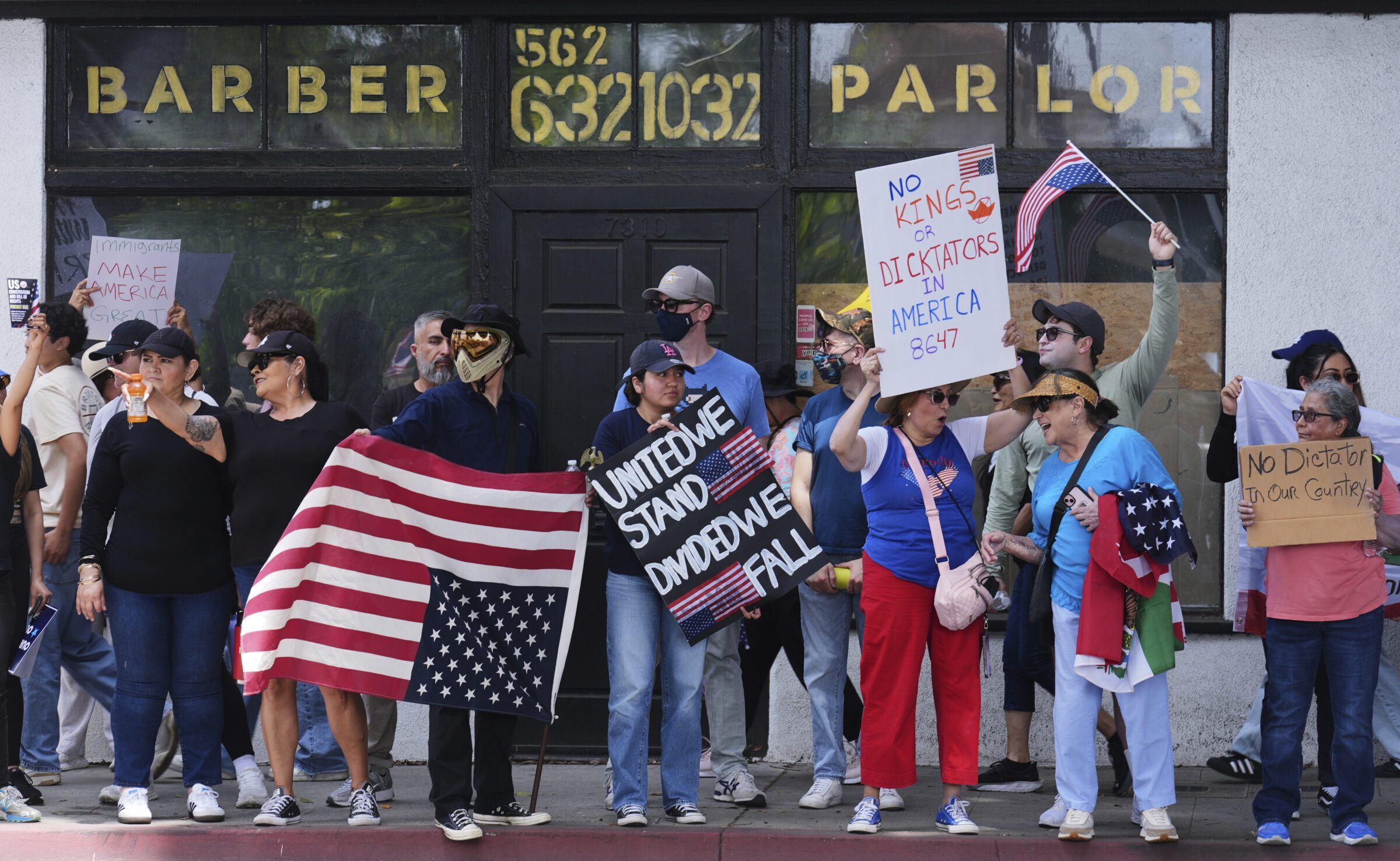
The surge in immigration enforcement last year changed that dynamic, according to Reyes. Whittier residents gathered to protest ICE raids in the region and they expressed anger that local officials were not doing more to protect their constituents from the federal agents showing up at local car washes and city buildings. “We had a mayor that was there for 20 years that never really showed his partisanship,” said Reyes. “But when people needed help, his philosophy and his viewpoints came out, and it was definitely not in line with the majority of community members.”
Community groups like the Whittier Latino Coalition have advocated for over a decade for changing local election dates to coincide with higher-profile races. In 2013, a group of residents affiliated with the coalition sued the city, alleging voter suppression, including a claim that the low-turnout April date weakened the power of Latino voters. They dropped the lawsuit after the city agreed to other reforms—abandoning its at-large system and creating anchoring districts around predominantly Latino neighborhoods—but what remained unchanged was the election date in the spring.
Whittier briefly synced up its elections with California’s presidential primaries in 2020 to comply with the California Voter Participation Rights Act, a reform that required cities to align their local elections with a state contest if turnout fell below a certain threshold.
As a result, turnout in the 2020 mayoral race surged to 44 percent. In Whittier’s previous mayoral election in the spring of 2018, it had only reached 18 percent.
But a state court the following year exempted some cities from that law, and Whittier’s city council chose to return local elections to the spring. Voter participation plummeted.
“It had been really frustrating to see the city change the date back to spring,” Medina told Bolts. “There was no real reason to do it unless you are trying to suppress voters.”
Becerra and the candidates who ran alongside him for city council, Vicky Santana and Aida Macedo, all promised on the campaign trail to support moving local elections to November. Shortly after their sweep, the council—including its sole remaining conservative member, Cathy Warner—unanimously approved a charter amendment to change the date of local elections, placing it on the November ballot.
Now that voters have approved it, the measure will first go into effect in 2028.
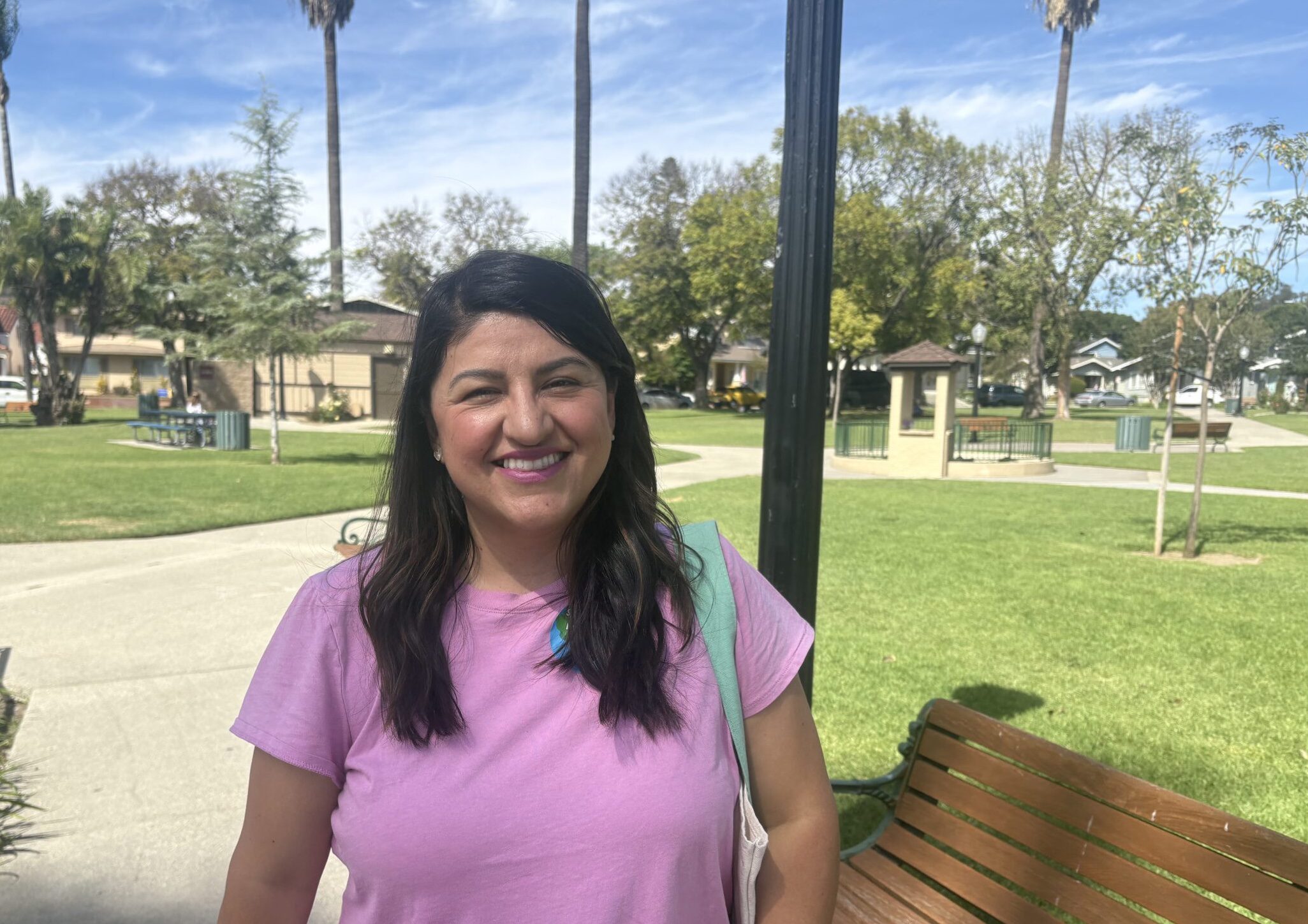
Joe Vinatieri, the former mayor who lost to Becerra in April, posted about his opposition to the measure on social media, saying that moving local elections to the fall would drown out local issues. “There are over 55 different propositions, judges, candidates, measures, etc. to find my way through,” he wrote about his November ballot. “When Whittier has its own stand alone election in April, there is none of this non-Whittier ‘clutter’ on the ballot.” (Vinatieri did not reply to a request for comment for this story.)
But the new councilors say the measure’s success at the polls shows residents want it to be easier to engage in politics.
“People in Whittier want to be brought into local policy and local decision making,” Macedo told Bolts. “I think they see that if they don’t know when their election is, and if there’s no uniformity with state elections, then they know that they’re being left out.”
Whittier joins many other cities that have made a similar change as a way to boost participation, including the neighboring metropolis of Los Angeles, where voters approved this change in 2015.
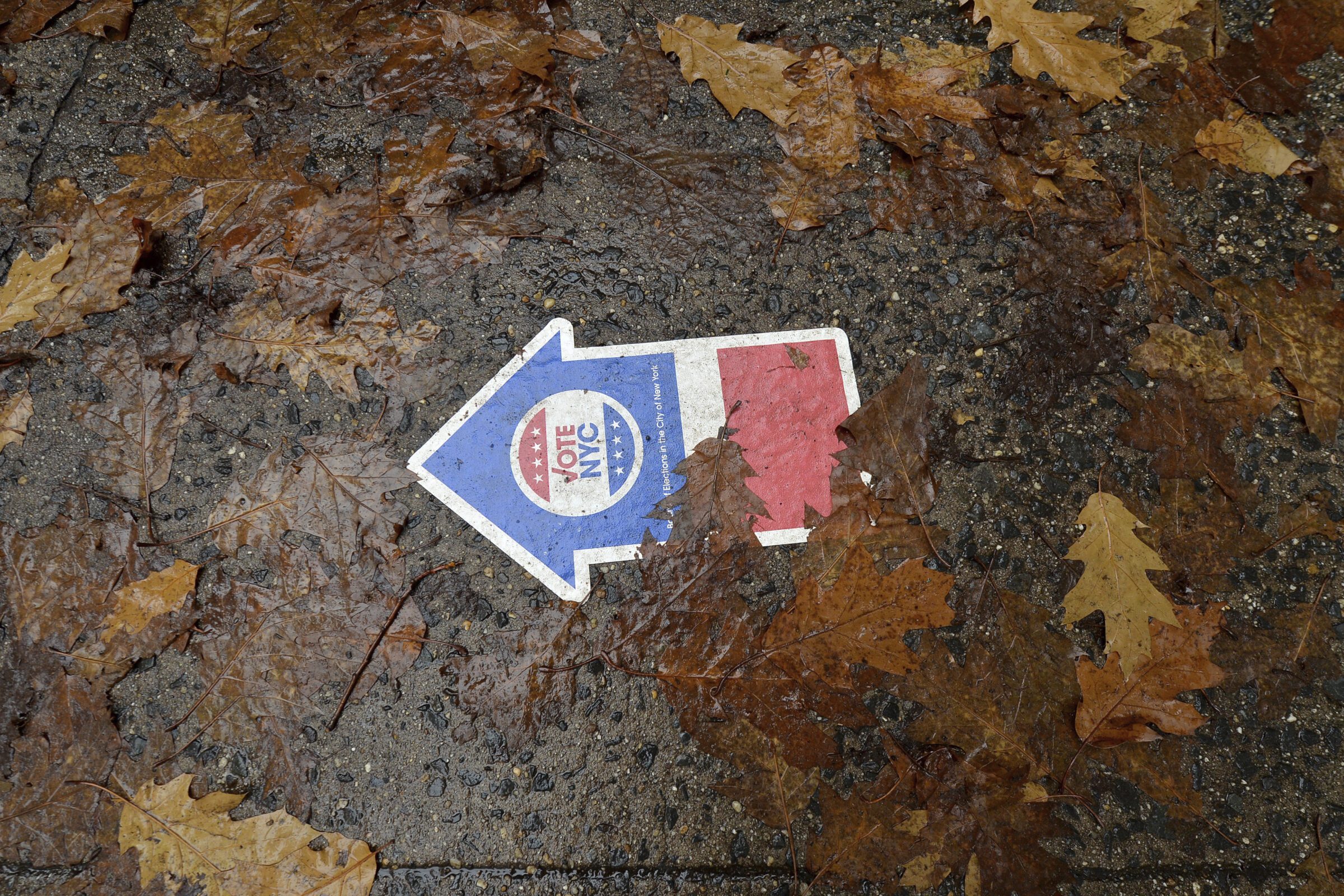
San Francisco, Boulder, and Phoenix have also adjusted their schedules recently, resulting in skyrocketing turnout for local contests. In a rare major defeat for proponents of this change, New York City voters last year refused to reschedule their municipal elections.
This fall, voters in many places signaled their preference for elections to align. In Austin, they approved a measure that requires citizen initiatives to go on the ballot in November of even-numbered years. In New Mexico, voters repealed a state rule that stopped school board elections from sharing a ballot with partisan state races.
Voters in the Florida city of North Miami Beach, meanwhile, rejected a proposal that would have moved their local elections in the opposite direction, from November to May.
The North Miami Beach commissioners who backed the measure, called Referendum 4, made a similar case to Vinatieri’s, that local issues get lost in the shuffle when city elections fall on the same date as big-ticket races like U.S. Senate or governor. If the city had its own dedicated election, they said, the voters who participated would be more knowledgeable, as opposed to treating downballot races as an afterthought.
Commissioner Fortuna Smukler said in a public meeting in July that “the people who vote in May will be knowledgeable,” whereas voters in November “may just pick a name because they are there.” (Smukler did not respond to Bolts’ request for an interview, nor did other commissioners who supported the measure.)
North Miami Beach is home to one of the largest Haitian-American communities in the country, and Haitian-Americans politicians have gained influence locally, and helped secure North Miami Beach’s first, short-lived majority-Black commission from 2020 to 2022. Since then, policy disagreements among city leadership have often fallen along racial lines.
Mayor Michael Joseph, who is Haitian-American, opposed the proposal to move local elections to the spring. He voted against placing it on the ballot, as did the two other Black members on the seven-member commission.
“Moving municipal elections to the spring could result in fewer residents having a voice in decisions that directly affect their communities,” Joseph told Bolts. “We should be looking for ways to encourage more participation, not creating additional barriers to it.”
The measure lost by 40 percentage points.
In Whittier, besides rescheduling elections, the council’s new members proposed imposing 12-year term limits on city officials, and voters approved that reform as well. The council members also say they’re serious about shoring up protections against ICE, the issue that helped sweep them into office in the first place.
In June, when ICE vehicles showed up near the library, a hub for community programs like one that offers free lunches to kids over the summer, the new mayor showed up to question the agents inside and press them to identify themselves. The Whittier Daily News reports that the vehicles ended up leaving without making arrests.
Federal immigration officials released a statement saying Becerra “made his community less safe” by confronting ICE agents.
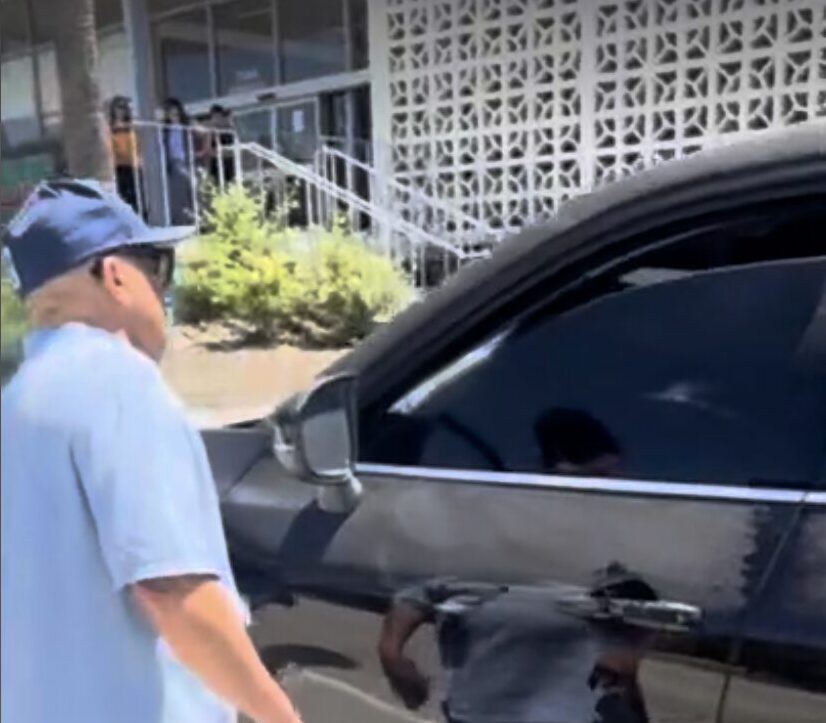
Macedo, who joined Becerra near the library that day, says the incident helped her realize that the city had no formal plans in place to alert participants who might be at the library or on the way there about federal agent presence.
In June, Macedo and other councilors ordered the development of protocols to instruct city workers on how to respond to ICE sightings, such as sending warnings to people who are participating in library programs. Macedo says it was important for her to figure out how a city council could respond to the federal government, telling Bolts, “We know all the things we cannot do, but what can we do?”
“I think it was really frustrating to the residents to see what was happening in our city and for there not be even any acknowledgement,” Macedo said. “I think just even acknowledging that we cared and that we wanted to do something to protect our residents was the change that a lot of residents wanted.”
Sign up and stay up-to-date
Get timely updates about pressing stories and elections.
Support us
Bolts is a non-profit newsroom that relies on donations, and it takes resources to produce this work. If you appreciate our value, become a monthly donor or make a contribution.