
Voters Are Siding with Direct Democracy in Seven States
Voters in Missouri and Montana enshrined a fundamental right to direct democracy into their state constitution. In other states, they rejected proposals to curtail ballot initiatives.
| November 5, 2026
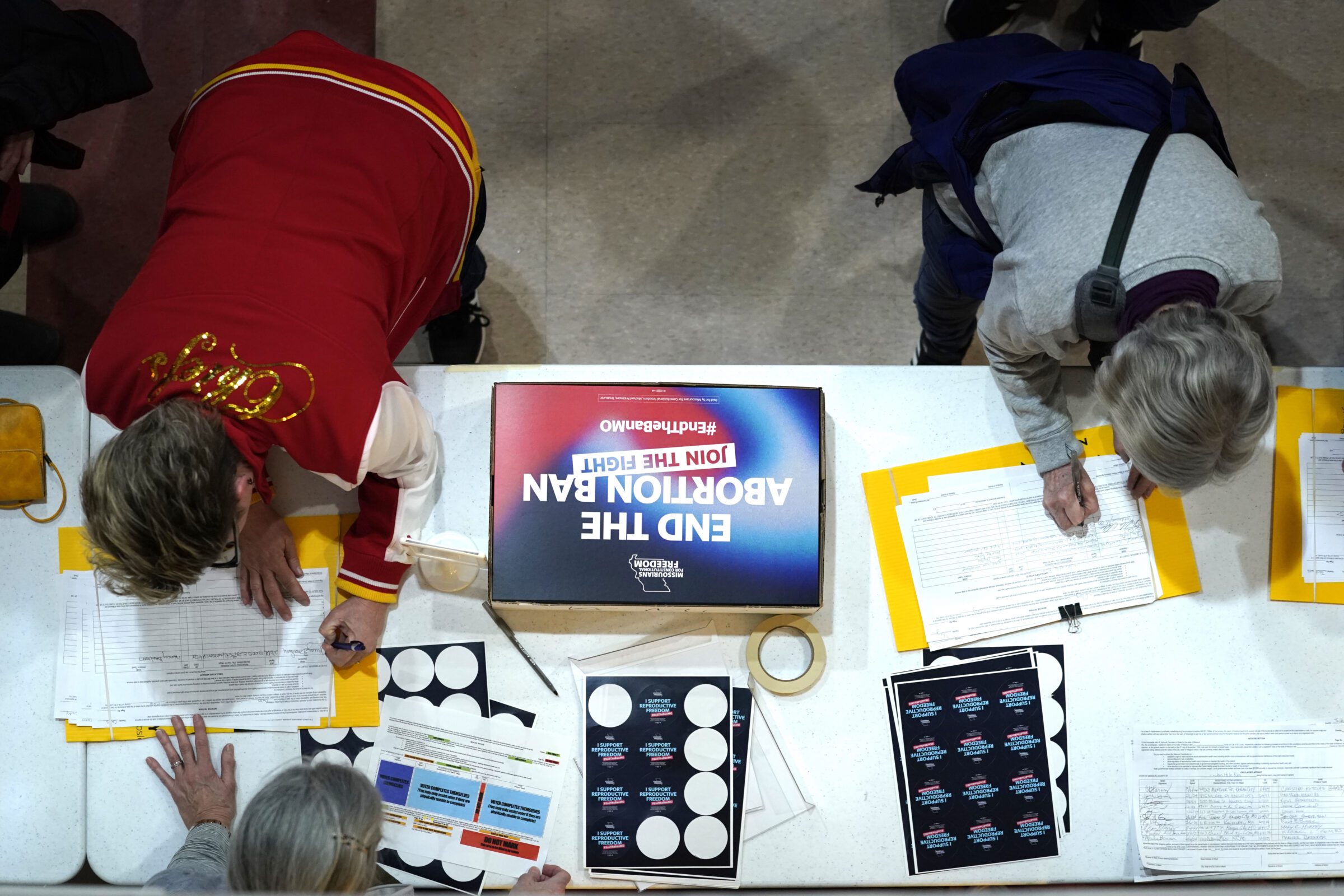
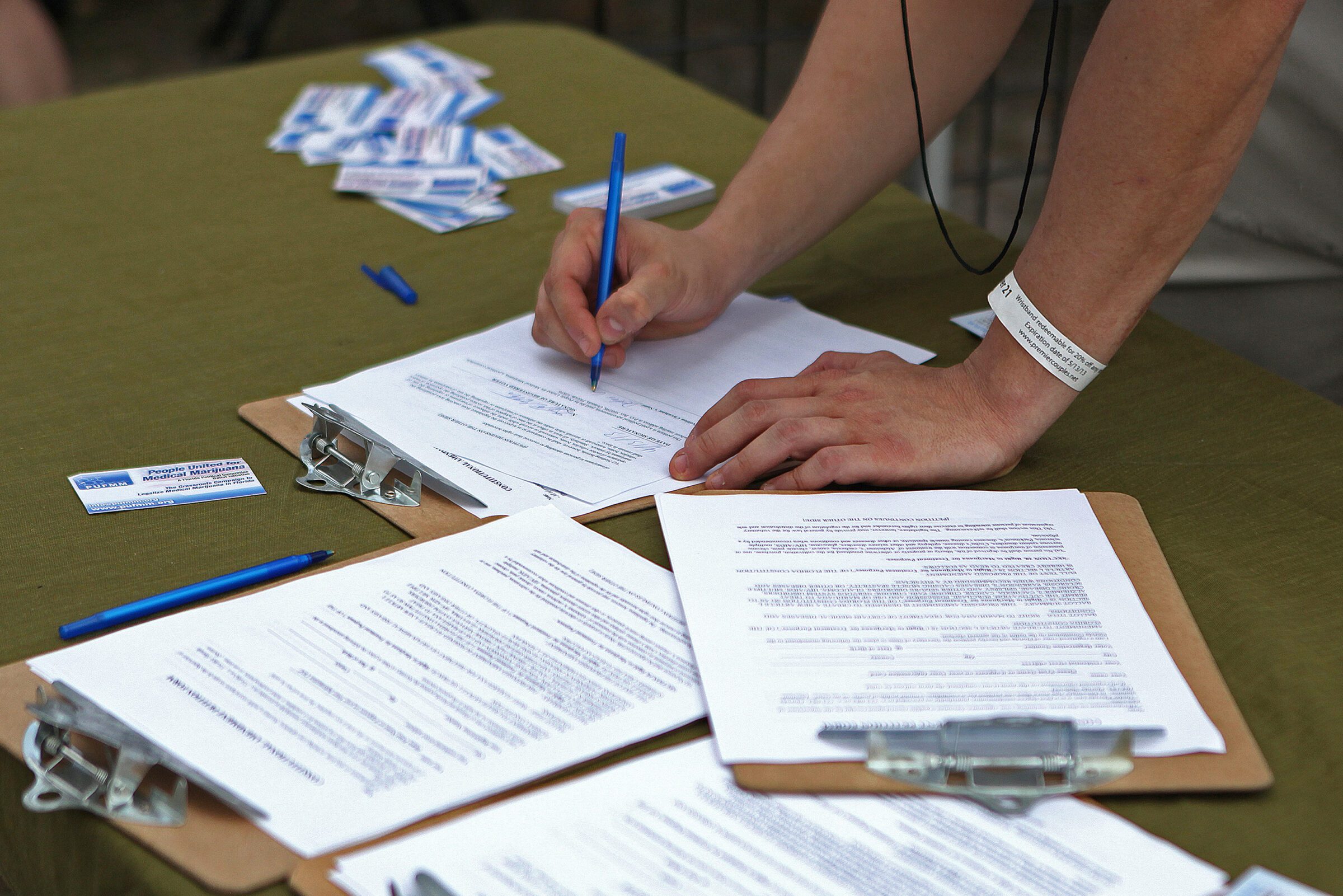
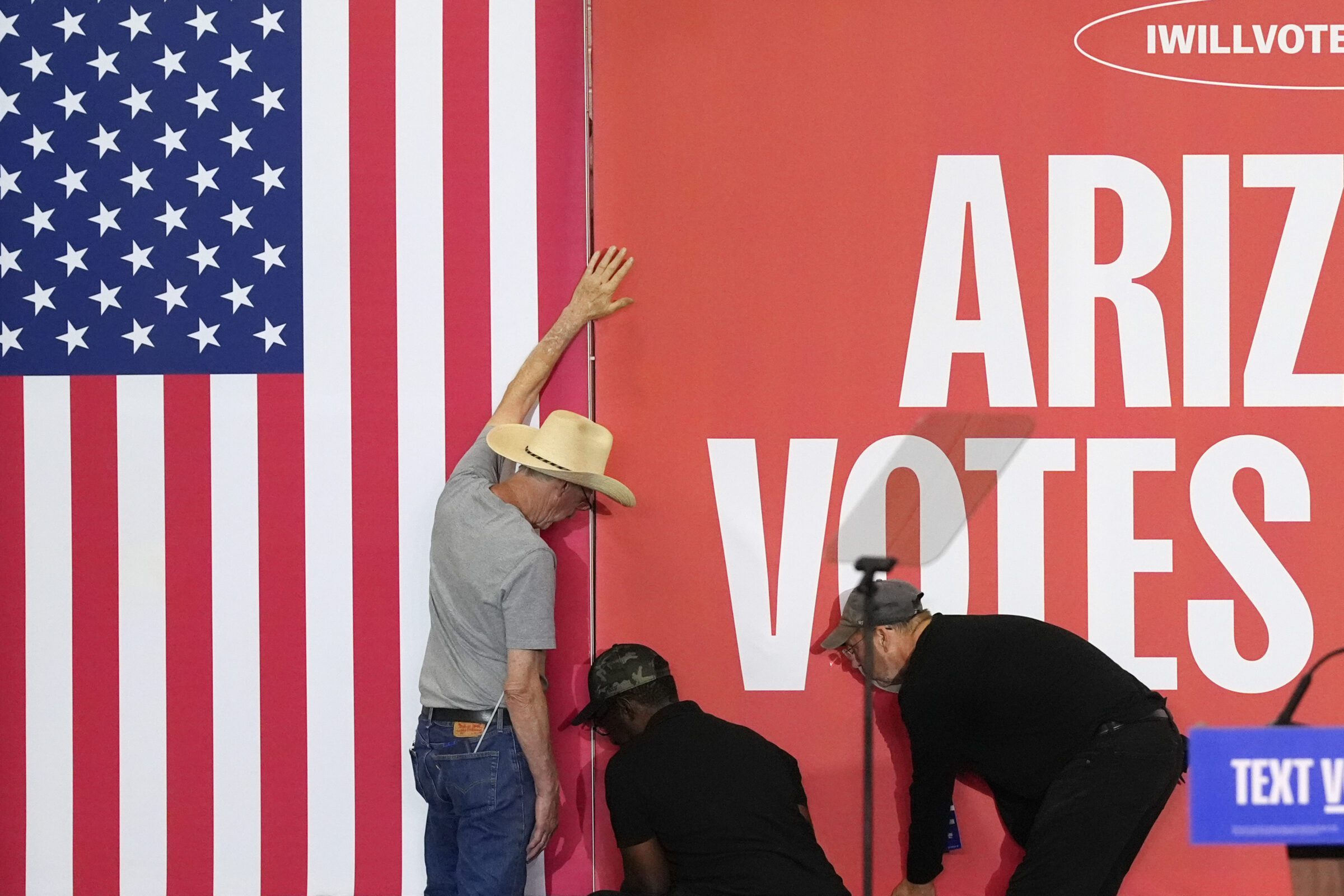
Voters in seven states resoundingly affirmed their power to pass laws without going through their lawmakers on Tuesday, approving ballot measures that will protect future citizen-led ballot initiatives and rejecting efforts to restrict them.
In North Dakota, South Dakota, Utah, and California, voters were deciding whether to require 60-percent supermajorities to pass some constitutional amendments. In Idaho, they were asked to ban all future initiatives on drug policy.
The Associated Press has projected all of these measures to lose by double-digit margins except for California’s, where the measure is down, but the slow count means there is no final call yet.
Advocates say the decisive results reflect voter disdain towards efforts to restrain their power. “The thread through all of these states is that politicians were trying to take rights away from voters at an epic scale,” says Hanna Ledford, executive director of the Fairness Project, a national organization that has helped organize for progressive measures. “Overwhelmingly, voters said ‘No way.’”
And in Missouri and Montana, two states where Republican officials have tried to derail popular initiatives with new restrictions and litigation, organizers collected hundreds of thousands of signatures to put measures on the ballot that would enshrine a fundamental right to direct democracy.
Those proposals easily prevailed and will hinder state officials from cracking down on future campaigns. Legal experts told Bolts that the measures will give Missouri and Montana some of the strongest legal protections for ballot initiatives in the nation.
These results come in the wake of years of attacks on direct democracy, largely in GOP-run states where lawmakers have responded to progressive measures on abortion rights and Medicaid expansion with a barrage of new rules making it harder for citizens to get measures on the ballot But these restrictions typically fare poorly whenever lawmakers have to put them to a vote—as they did again on Tuesday.
For more 2026 election results
Subscribe to the Bolts newsletter
Missouri and Montana
Advocates in these states grew frustrated in recent years at what they called the GOP’s “thousand cuts strategy” by lawmakers to limit citizen initiatives, as Bolts as previously reported—including legislation sponsored by GOP lawmakers to create onerous new requirements for putting measures on the ballot and maneuvers by state officials to derail citizen-led campaigns.
Both states’ supreme courts have repeatedly stepped in to rebuke GOP interference, but advocates worried about courts becoming less favorable to them.
So this year, they went on the offensive by sponsoring constitutional amendments to affirm that the people have a fundamental right to direct democracy. On Tuesday, Missourians approved Amendment 6 by a margin of 20 percentage points. Montanans approved Initiative 133 by a margin of 30 percentage points.
Voters “sent a very clear message to their legislatures that this right is protected and cannot be taken away,” said Hanna Ledford, executive director of the Fairness Project, an advocacy group that helped expand Medicaid via ballot initiatives in both Missouri and Montana.
Legal experts say codifying this right will help prevent state officials from putting a thumb on the scale against initiatives they don’t like, and it will give organizers a stronger legal tool to challenge laws that make it harder for citizens to circulate petitions to get a measure on the ballot and pass initiatives.
The amendments instruct the courts to use a high legal standard known as strict scrutiny when reviewing hurdles to initiative campaigns. “If something impacts a fundamental right, courts are supposed to basically subject it to very rigorous questioning,” Derek Clinger, a scholar at the University of Wisconsin Law School, told Bolts last month.
Missouri and Montana are the first to add such a right explicitly in their constitutions, though courts in other states like Idaho and Utah have recognized similar protections.
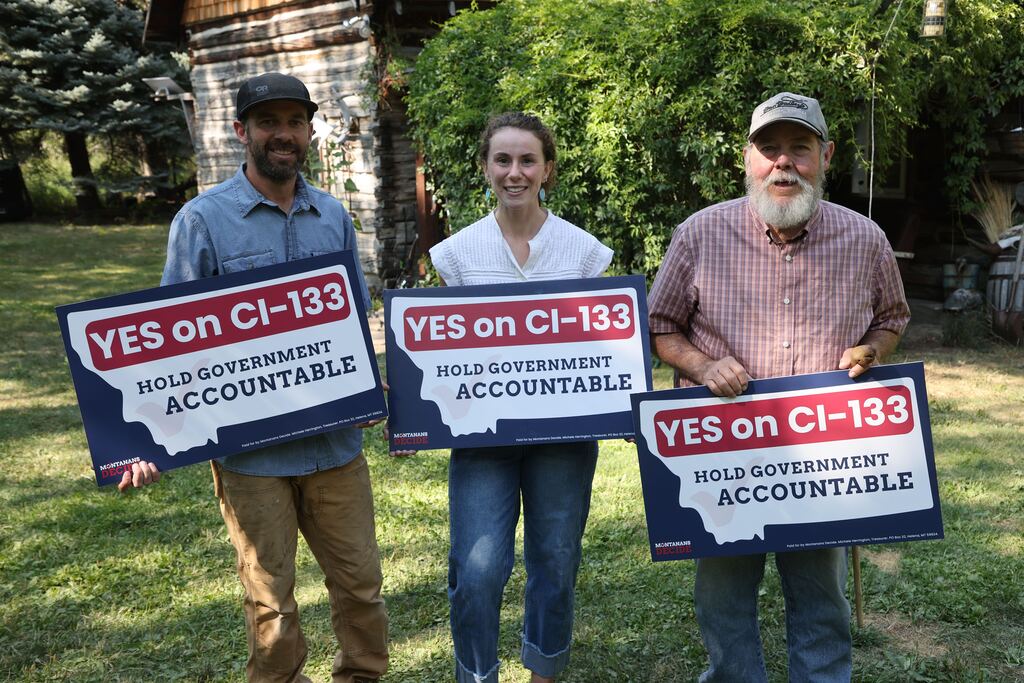
Both measures also contain more specific safeguards, geared to protect ballot initiatives from the sort of attacks they’ve faced in each state. Montana’s amendment lays out a clear timeline for courts to resolve legal disputes over petitions so that state officials cannot use lawsuits to make initiative campaigns miss their filing deadlines.
Missouri’s makes it harder for legislators to roll back popular initiatives, requiring lawmakers to muster an 80 percent-supermajority to amend a measure that voters have approved or to double down on a law voters have rejected. It also bans state officials from putting biased language into the descriptions of measures on the ballot. Tuesday’s ballot included a GOP-sponsored amendment to repeal an abortion rights measure that voters enacted in 2024; Missourians rejected that effort by 10 points.
Fields Figueredo predicts that other states will follow Missouri and Montana’s example, telling Bolts, “I think we are going to see more attempts to ensure that direct democracy remains in the hands of the people and free from government interference.”
North Dakota and South Dakota
Republican legislators in the Dakotas proposed very similar measures that would have required voters to muster a 60-percent supermajority to approve any future constitutional amendments.
Voters soundly rejected both proposals, by 14 percentage points in North Dakota and 16 points in South Dakota.
Had these measures been in place, some of the Dakotas’ emblematic recent citizen-led initiatives would have failed. North Dakotans approved a measure in 2018 to set up an ethics commission with 54 percent of the vote, and South Dakotans in 2022 expanded Medicaid eligibility to cover more than 50,000 residents with 56 percent of the vote.
Resentful at these citizen-led maneuvers, Republican lawmakers have already tried several times to constrain their powers. But voters have repeatedly opposed these attempts; they rejected a proposed North Dakota ban on initiatives that would spend public funds, and two prior proposals to require a supermajority in South Dakota.
The most recent effort was in 2022, when the GOP rushed a summer election in a failed attempt to change the rules ahead of the fall referendum that expanded Medicaid.
“I don’t know if they will ever give it up, trying to make it harder to use direct engagement by the citizens to petition the government,” said Rick Weiland, co-chair of Dakotans for Health, a grassroots network that campaigned for Medicaid expansion. “But this is the third time at the altar, and they were resoundingly rejected.”
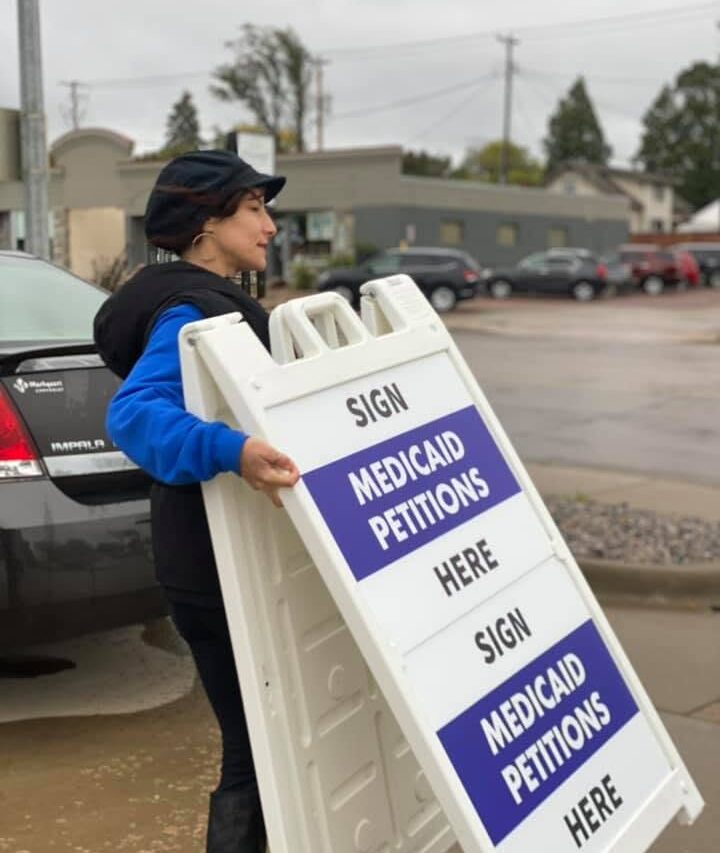
Anti-abortion groups and politicians touted the supermajority requirement as a way to prevent future abortion rights initiatives, and Tuesday’s results mean future citizen measures to legalize abortion in the Dakotas remain plausible. A 2024 effort failed at the ballot box in South Dakota, while a similar measure in North Dakota failed to qualify.
“To get abortion rights back in South Dakota, you’re never going to get it done through the legislature—your best shot is to do it through an initiated amendment,” said Weiland, whose organization also ran the 2024 measure for abortion access. “So I think the door is open.”
California and Utah
These two states are poised to reject narrower measures that would have required a supermajority to approve new tax-related initiatives.
The Utah measure, Amendment B, would have required support from 60 percent of voters for citizen initiatives that raise taxes. Under that higher standard, the Medicaid expansion Utah voters passed in 2018 with 53 percent of the vote would have failed, since it was funded by a sales tax increase.
Voters rejected Amendment B by almost 25 points.

California’s Proposition 43 would have required that ballot measures win two-thirds support to create a special local tax, such as the so-called mansion tax passed in Los Angeles in 2022.
It was placed on the ballot by the Democratic legislature as part of a deal with a conservative advocacy group that was gearing up to place a much more aggressive proposal on the ballot; theirs would have applied retroactively, repealing past tax measures, like the mansion tax, that fell short of a supermajority. The conservative group agreed to drop their own effort if lawmakers advanced the compromise version.
Proposition 43’s sponsor, Democratic Assemblymember Buffy Wicks, then urged Californians to reject it. The California Democratic Party also called on voters to reject the amendment.
The measure is trailing 55 to 45 percent as of publication. The Associated Press has yet to call the race, though liberal areas of California are rejecting the measure and later-cast ballots tend to favor more progressive positions in the state.
California, however, may still see a rare instance this cycle where some voters make it harder to pass initiatives—though at the local level.
San Francisco officials put forward a charter amendment to quadruple the number of signatures required to place an item on the local ballot from 2 to 8 percent of registered voters. Mayor Daniel Lurie, a Democrat, sponsored the proposal, saying he wanted to simplify city ballots. As of Thursday, Measure D leads by a large margin of 15 percentage points.
Idaho
In Idaho, Republican legislators took a different approach by trying to limit initiatives on only one particular issue.
The proposal, HJR 4, would have preemptively banned initiatives from being used to legalize marijuana or other controlled substances. Voters rejected the measure 66 to 34 percent.
Idaho Republicans have intensified their efforts to limit citizen initiatives since a 2018 campaign successfully expanded access to Medicaid, according to Luke Mayville, executive director of Reclaim Idaho, the organization that spearheaded the initiative.
Republicans in 2021 adopted new rules for qualifying popular initiatives that required petitions to gather signatures from 6 percent of registered voters in all 35 legislative districts. The rule would have effectively killed the initiative process, Mayville told Bolts, as a campaign would fail if it didn’t collect enough petitions in any one of the many remote, sparsely populated regions of Idaho.
Reclaim Idaho sued, and the state supreme court unanimously struck down the law and held that the state constitution protects a fundamental right to initiative powers that legislators cannot interfere with. That meant lawmakers would need to go down the route of a constitutional amendment to chip away at direct democracy—as they tried on Tuesday. “That explains why we’re in this strange situation as voters of being asked to surrender our own rights,” Mayville said.
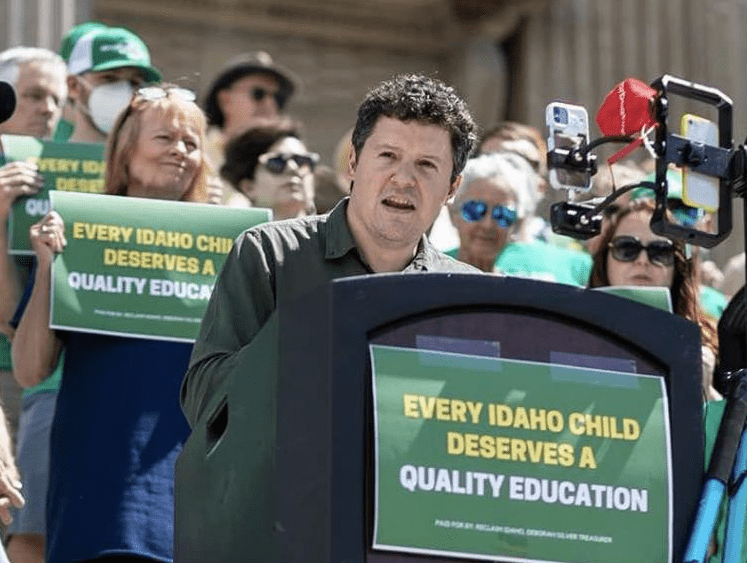
Opponents of Proposition 1 argued that the measure wasn’t really about marijuana, and that the reform would set a precedent for lawmakers to exempt other issues from popular initiatives.
“We have every reason to think that if they can successfully convince voters to surrender their power on one topic, they would come back again in future cycles for other topics,” he told Bolts. “Many of the same legislators who would prefer to take away citizens’ ability to weigh in on drug policy would also prefer to take away their ability to weigh in on taxation or education, or any type of workers’ rights policy.”
Sign up and stay up-to-date
Get timely updates about pressing stories and elections.
Support us
Bolts is a non-profit newsroom that relies on donations, and it takes resources to produce this work. If you appreciate our value, become a monthly donor or make a contribution.