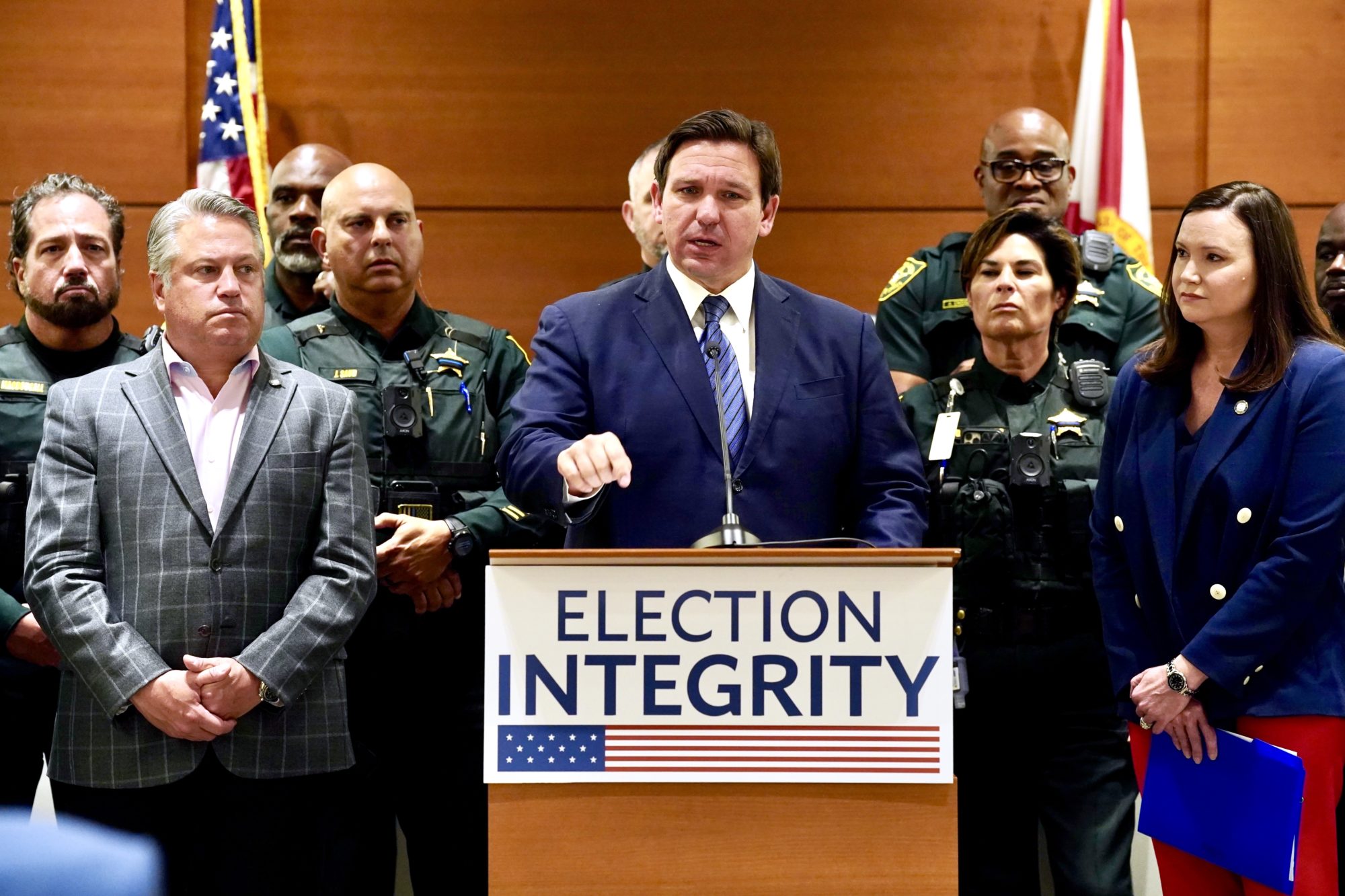

After a Yearslong Nightmare, Relief for American Samoans Punished for Voting
Alaska officials for years accused American Samoans caught in a unique legal limbo of illegally voting, but finally dropped those charges this month.
| September 15, 2026
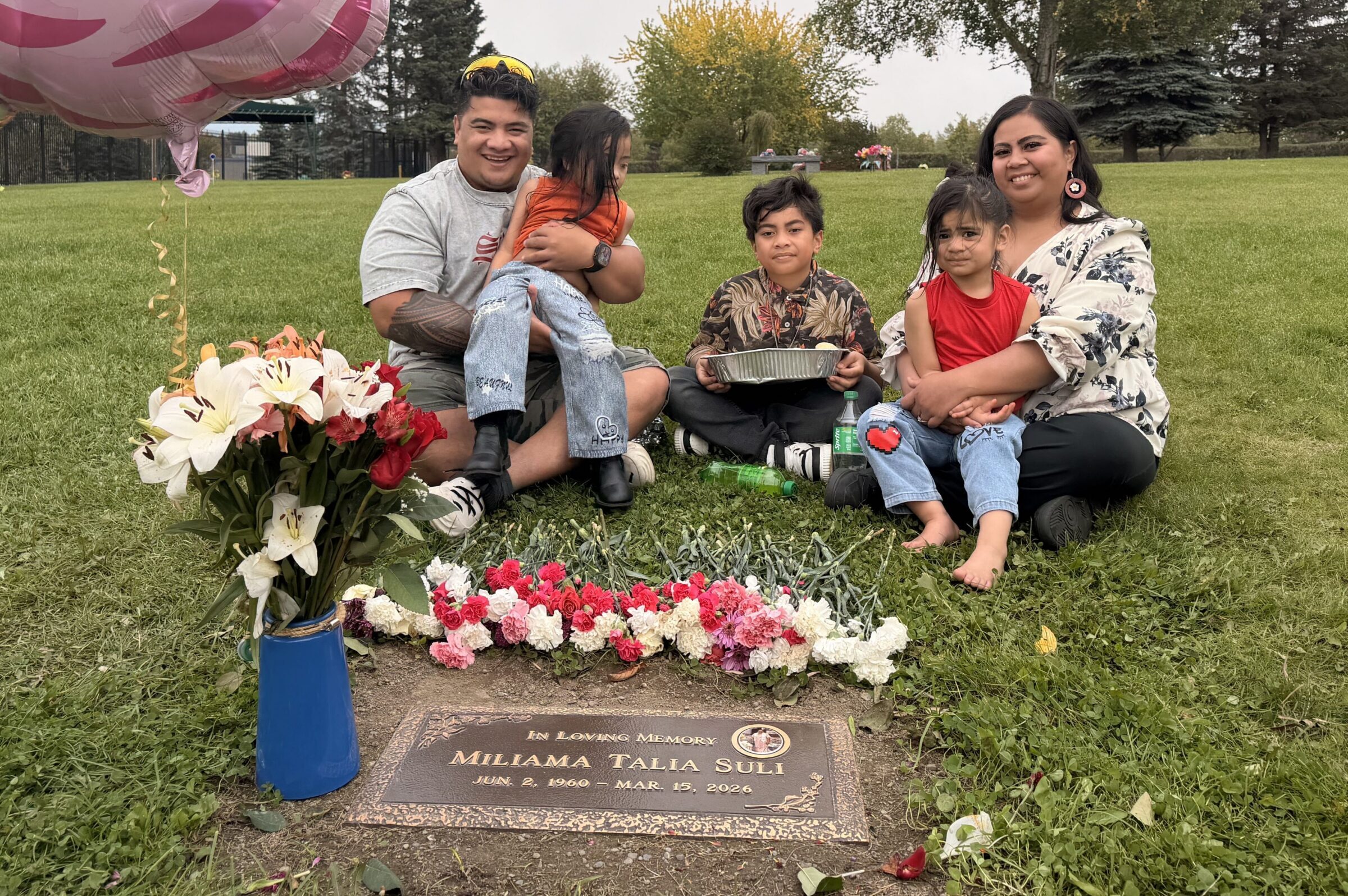
Mike Pese visited the grave of his mother, Miliama Suli, in Anchorage on Sept. 13, as he has every week since she died in March.
On previous visits, he’d shared with her his fears about the yearslong legal case hanging over his family: The Republican-led state attorney general’s office had moved to convict him and 10 relatives for illegally voting, threatening up to 10 years of prison time.
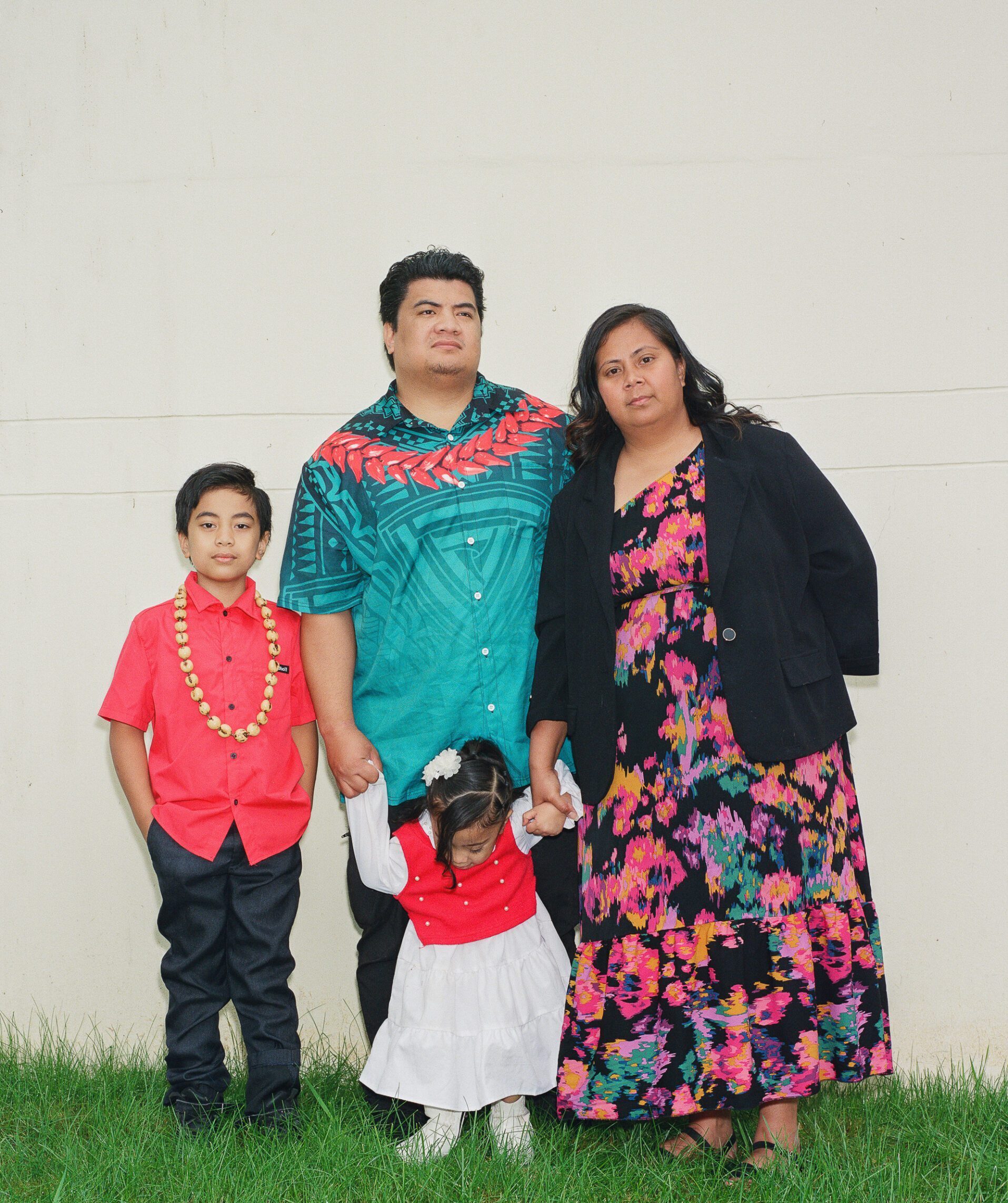
The family lived together in the small harbor town of Whittier, Alaska. They all hail originally from the faraway U.S. territory of American Samoa, which they thought gave them the right to vote in their local elections, as is the case for people born in every other U.S. state and territory. But unbeknownst to them, and even to many Alaska officials, American Samoans are denied voting rights outside of American Samoa, since they are classified as U.S. nationals and not citizens.
State officials accused them of intentionally voting as non-citizens, and filed the criminal charges that have consumed Pese’s family for nearly three years.
But Sunday’s cemetery visit was a celebration. Pese brought balloons, flowers, and Samoan-style pork buns, plus his wife and kids, and they shared the good news with Suli: Late Friday, Alaska prosecutors, fresh off a loss at the state Court of Appeals, had decided to drop the voter fraud charges against this family.
“It’s a huge amount of weight lifted off my shoulders,” Pese told Bolts from the gravesite. “I’ve never been stressed out so badly.”
His mother, who had been among the 11 defendants in the case, died while under prosecution. On her death bed, Suli, matriarch of the robust American Samoan community in Whittier, told friends and family how worried she was about the case. “She would praise the Lord and she would throw a barbecue to celebrate this victory,” Pese said. “I know she’s really happy right now.”
For more stories on voting rights
subscribe to our newsletter
Equally relieved was Pese’s wife, Tupe Smith, whose 2023 victory in a local school board election set off the chain of events that led to the prosecutions. When she heard the news last week, Smith said, “I cried and I thanked God. I don’t have to stress anymore. We have kids and we don’t have to worry about what’s going to happen to us.”
The prosecutions were a harsh civics lesson for American Samoans like Smith and Pese, who, as U.S. nationals, live in a sort of limbo status that confers various privileges, such as Social Security and a U.S. passport, but that also denies the right to vote in state or local elections—much less to seek elected office—if they ever move from American Samoa to another part of the country. For election purposes on any U.S. soil outside of American Samoa, they’re treated as though they are non-citizen immigrants.
The Whittier relatives are among thousands of American Samoan nationals living in Alaska. Like many in that community, they had been confused about their voting rights. Smith told the Alaska state troopers who arrested her in 2023 that she’d thought she could participate in local elections, but not in presidential elections.
Even the cops who arrested Smith—and then returned months later to interrogate 10 of her relatives—were themselves confused about the law. “I thought people of American Samoa were U.S. citizens,” one trooper told Pese, Bolts found in a review of the interrogations.

That trooper shares this confusion with many Alaska state lawmakers, elections officials, and police. A yearlong Bolts investigation, published in partnership with High Country News, found that state officials generally had no clear understanding of the voting rights, and lack thereof, of American Samoan nationals, prior to the Whittier case, and that Alaska administrators have in fact proactively registered lots of ineligible voters, and even mailed them voter registration cards.
Nevertheless, the office of the Alaska attorney general, which serves under Republican Governor Mike Dunleavy, tagged the 11 Whittier defendants with felony charges carrying the potential of serious prison time.
This move horrified civil rights advocates in Alaska, who told Bolts they felt the prosecution was nothing more than a Trumpian bid to prove the existence of widespread voter fraud by non-citizens, which in fact is extraordinarily rare. The prosecutions also spooked many U.S. nationals outside of Whittier, some of whom have also voted, or at least registered to vote, thanks to Alaska’s longstanding failure to clear up the very confusion that had ensnared people in Whittier.
“There were questions across the whole state,” Tafilisaunoa Toleafoa, executive director of the nonprofit Pacific Community of Alaska, told Bolts on Sunday. “Whittier has a high number of American Samoans, yes, but so do Anchorage and Juneau and Utqiagvik and Fairbanks. Community members have reached out, concerned about the possibility of the same thing happening to them.”
Toleafoa added that while the dropped charges were a welcome step, they resolve neither the general confusion that led to the criminal case, nor the limbo state of U.S. nationals.
“I’d really love to see the American Samoan communities be given what they deserve. American Samoa is the United States and therefore birthright citizenship is a right for all American Samoans,” she said. “We’re going to take the win, but the work continues.”
Relief for the families in Whittier began earlier this month, when the Alaska Court of Appeals dismissed the indictment against Smith, on the grounds that Alaska state troopers had misled her in their original interrogation, and also that prosecutors had misled the grand jury when it secured an indictment against her. The court found that the state failed to prove that Smith had “purposely or deliberately” skirted the law, writing that it was not convinced of the state’s argument that Smith had acted with “consciousness of wrongdoing.”
This ruling applied only to Smith, but seemed to spell trouble for the state’s prosecution of the other Whittier defendants, whose situations were all similar to hers. In filing late last week to dismiss the charges against the rest of the Whittier defendants, the attorney general’s office called the move “a result of the decision by the Court of Appeals,” court documents show.
The office dismissed these charges “without prejudice,” meaning that they retain the option to file new charges against the family members in the future. Bolts asked the office whether it might still pursue charges, and got no response.
But in a press release following the dismissal, the office reiterated that it still believes Smith lied and said it “respectfully disagrees” with the Court of Appeals finding that the grand jury was misled. “We stand behind the work of the Department of Public Safety and the dedicated troopers who investigated these cases,” Deputy Attorney General Angie Kemp said in the release.
The case might have been largely settled a long time ago, as Alaska prosecutors had offered plea deals to all the defendants but Smith last summer. But the family members unanimously rejected the offers, maintaining that they’d never intentionally broken any laws, and also because they did not want to establish a precedent that could harm U.S. nationals in this or any other state.
Now, the Court of Appeals’ ruling in their case seems to raise the standard for future accusations of voter fraud in Alaska involving non-citizens who mistakenly vote; “knowingly” casting a vote, the court ruled, is not the same as “intentionally” violating election law.
As this case dragged on in recent years, it mounted an enormous emotional, mental, and financial cost to the family members.
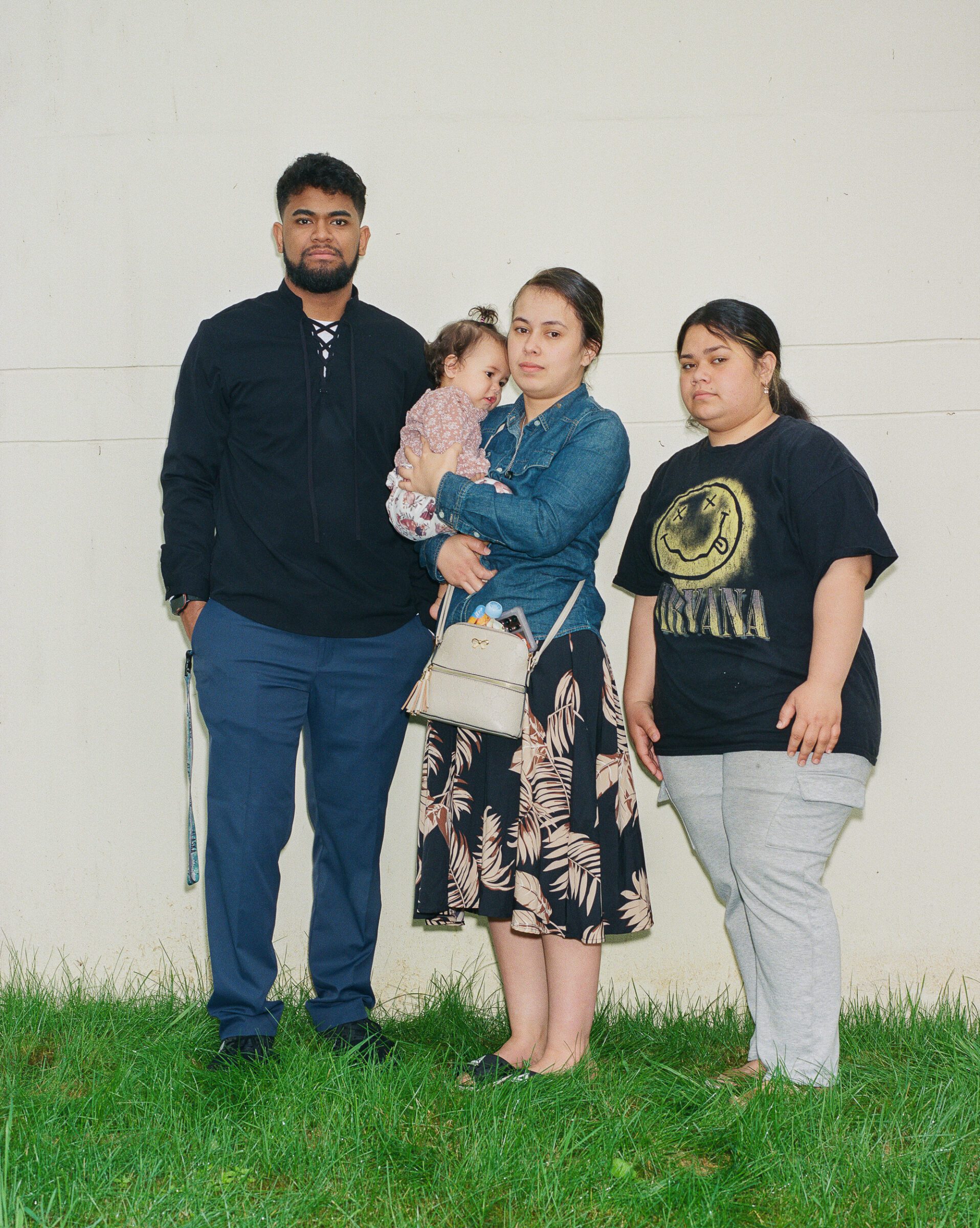
“I’ve been punishing myself for this,” Nelson Vaimoa, one of the Whittier defendants, told Bolts on Sunday. “I’ve been going to work, trying to work three shifts to get my mind distracted from the case. I’d get home really tired; the case has been bothering me the whole time. Even when I had my daughter’s birthday, when she was 2 years old, it was bothering me. I was too distracted, and I forgot it was her birthday.”
Vaimoa and other defendants had been active members of the Whittier community, including by volunteering as first responders and organizing barbecues and other local events. Whittier is a town of about 300 people, where nearly every resident lives inside one enormous apartment tower.
Vaimoa called the dropped charges “a big relief,” but added, “I don’t want to volunteer anymore. I don’t feel like helping out anymore. I just want to go to work and come back home. All of the savings I had were canceled, all the plans I had—all because of this case.”
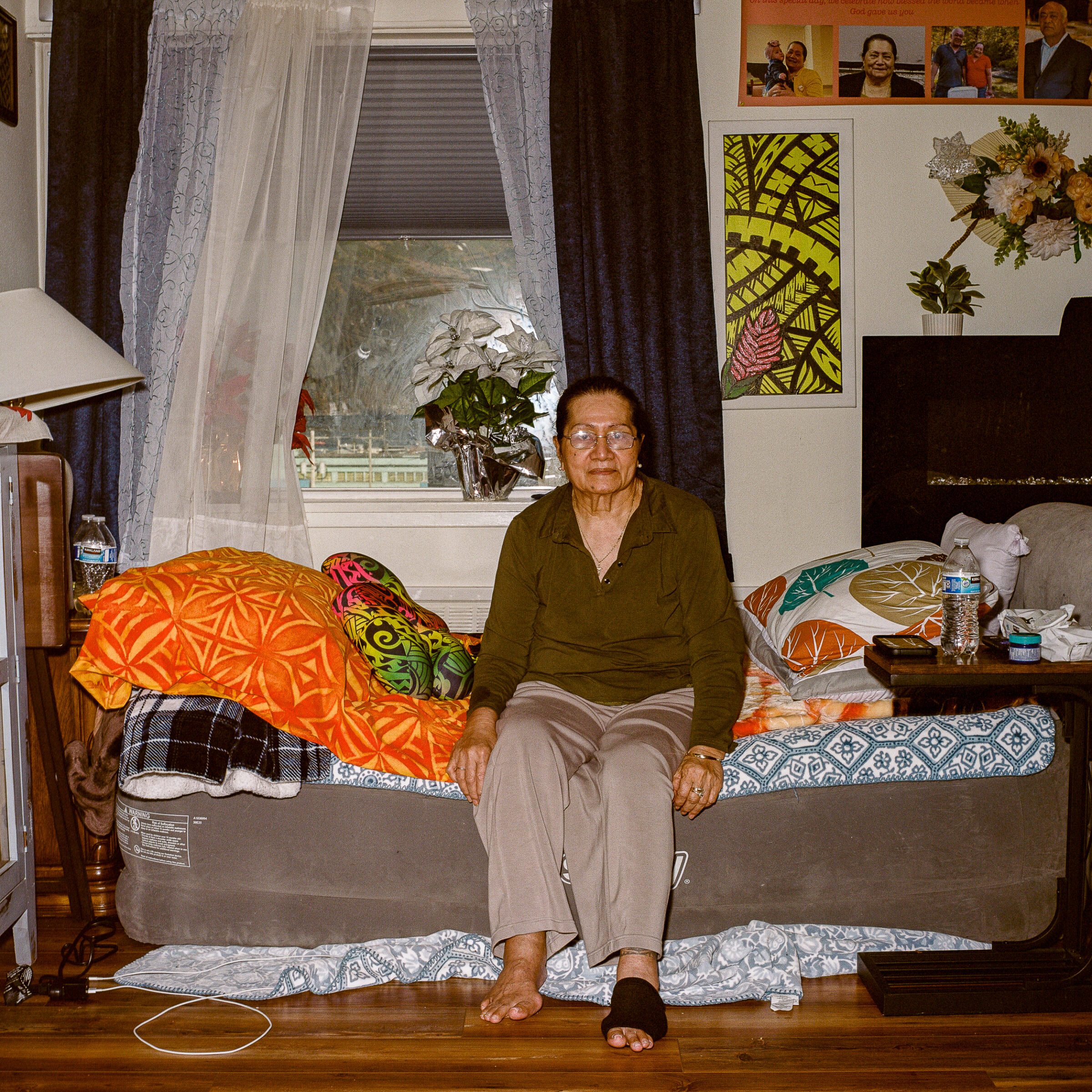
None of these defendants was more of a Whittier pillar than Suli, a local religious and civic leader who owned the small grocery store at the ground floor of the apartment tower. The state continued to prosecute her even as her health declined ahead of her death in March.
Smith said of the state dropping the charges, “The first person that would’ve called my phone was her, calling me and telling me how good God is and telling her to come over to my house.”
Attorneys who represent the Whittier family members celebrated the state’s move, but noted the damage that has already been done.
“These are stand-up people, and to see them treated like criminals was just really disgusting,” said Neil Weare, co-founder of Right to Democracy, which advocates for territorial Americans. “It’s nice to see their good name and reputation getting cleared.”
Weare also criticized the state for only dismissing the charges “without prejudice” and leaving the door open to future charges.
“Tupe and Michael deserve to know there won’t be another knock at the door, that this criminal targeting of the American Samoan community is really over,” he said. “An apology would be nice, too.”
Matt DiTullio, an Alaska public defender who worked on the case, added: “I’m relieved that the courts came to the sensible and correct conclusion as to what these statutes are intended to prohibit, and that the state of Alaska followed that to the only just resolution of these cases. It is unfortunate that the Pese family and their community had to endure the stress of facing felony charges for years.”
That stress caused many of the defendants to question their place in Whittier and in Alaska. The prosecution was so traumatizing, defendants told Bolts at various points, that they’ve been considering relocating in order to start afresh.
But, Mike Pese said from the picnic at his mother’s grave on Sunday, “She loved Whittier. She’d made it her home. In the last weeks of her life, we talked about it, and decided we’re going to stay in Whittier and fight for it.”
Sign up and stay up-to-date
Get timely updates about pressing stories and elections.
Support us
Bolts is a non-profit newsroom that relies on donations, and it takes resources to produce this work. If you appreciate our value, become a monthly donor or make a contribution.
Related Posts
Americans by Name, Punished for Believing It

A Voting Rights Promise, Betrayed for 156 Years