
Seven Legal Questions That Will Shape Democracy in 2026
Courts are set to decide a host of cases that will determine the fate of the VRA, confront the latest restrictions on direct democracy, and affect ballot access and redistricting.
| January 13, 2026
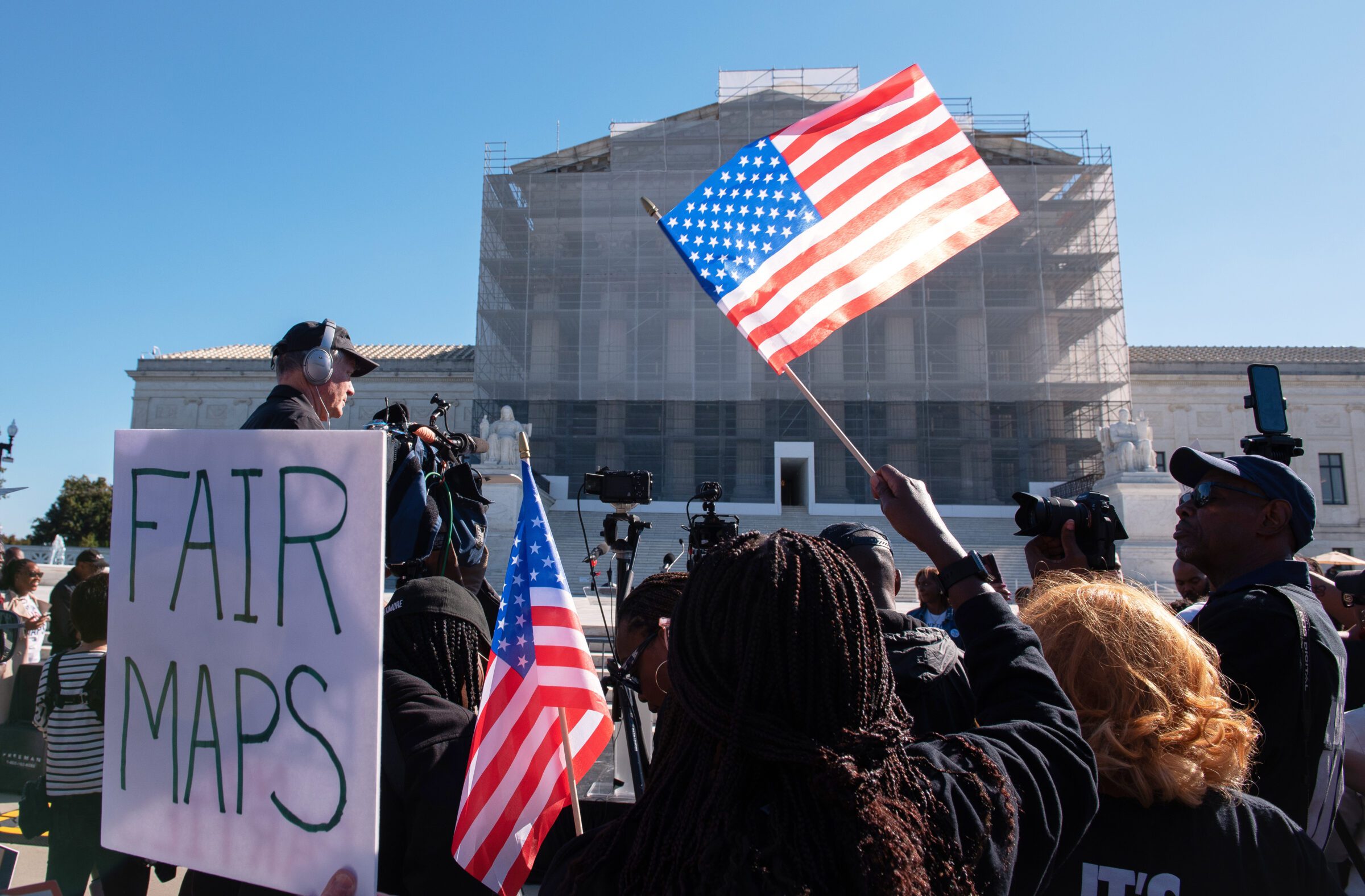
The U.S. Supreme Court is already a major force in the midterms, having blessed Texas’ congressional map redraw in a controversial decision last fall, and its role will only expand from here. The court is poised to hand down two major rulings in coming months that could advance longtime conservative goals of gutting the Voting Rights Act and restricting mail voting.
And that’s just the start of what’s sure to be a busy year in the world of voting rights.
The escalation of mid-decade redistricting has sparked countless lawsuits for state and federal courts to decide, raising urgent questions, including whether the Florida Supreme Court will continue to deplete the state’s anti-gerrymandering protections. Plus, GOP-governed states have passed a barrage of restrictions on direct democracy that will face legal scrutiny, while in bluer areas, conservatives are targeting some voting rights innovations.
To kick off the year, Bolts has identified seven legal questions that will shape democracy in 2026.
Subscribe to our newsletter
To keep up with these cases
1. Will the Supreme Court leave the VRA standing?
The most impactful voting rights case to be decided this year is undoubtedly Louisiana v. Callais, which will determine the future of the Voting Rights Act.
When states draw districts or conduct elections, Section 2 of the VRA prohibits them from acting in a manner that “results in a denial or abridgment of the right of any citizen of the United States to vote on account of race or color.” Plaintiffs have long relied on this broad language to challenge districts as racially gerrymandered, even as the court has been less inclined recently to find that a district constitutes a racial gerrymander.
Callais concerns the legality of Louisiana’s current congressional districts—but the case is really about the constitutionality of the VRA itself. Prior to the 2024 elections, a federal court held that Louisiana’s congressional districts, which created one majority Black district out of six total, likely violated Section 2 of the VRA, and ordered the state to draw a new map. The legislature ultimately adopted a new map that created a second majority Black district, which stretches from Baton Rouge to Shreveport.
But a group of mostly white voters then asked courts to throw out the new map, claiming that lawmakers impermissibly relied on race to draw the districts. They claim that this violates the Fourteenth and Fifteenth Amendments’ ban on racial discrimination.
The court is now considering whether the creation of a second majority Black district, which the state legislature necessarily relied on racial statistics to create, violated the Constitution. There is a wide range of possible rulings, but most observers expect the court to side with the plaintiffs and significantly limit the VRA.
If legislatures and courts cannot respond to the creation of racially gerrymandered districts by using race to create a more equitable set of districts, it would be difficult, if not outright impossible, to meaningfully address a VRA violation. It may also make it significantly harder for courts to order the creation or protection of majority-minority districts.
The case could transform the makeup of Congress and state legislatures by opening the door to southern states eliminating many seats that are currently held by Black or Latino representatives. But Bolts reported in the fall that it’s also poised to have an immense effect in local institutions, affecting the fairness of districts from school boards to county commissions.
As voting policy scholar Kevin Morris told Bolts at the time, “It could be like a one-two punch to racial representation at the local level.”

2. Will individuals and organizations still be able to sue over VRA violations?
The VRA extends further than prohibiting racial gerrymandering—in fact, for the first decades of its existence, it wasn’t clear that it applied to drawing districts at all—so regardless of how the Court rules in Callais, the VRA could still be a powerful tool to fight back against discriminatory voting rules.
But a separate conservative theory could gut the VRA from a different direction, this time by banning many lawsuits from even being filed in the first place.
For years, private parties—citizens and organizations alike—have been able to sue government officials for violating the VRA. Though the federal government has brought VRA claims itself, history has shown that some administrations are more committed to the VRA than others, so advocates cannot always depend on robust federal enforcement.
In a bombshell decision in 2023, though, the 8th U.S. Circuit Court of Appeals held that the VRA did not give private parties the right to sue. It doubled down on this ruling last year, holding that another federal law—Section 1983, part of the Civil Rights Act of 1871—did not allow private parties to sue for VRA claims, either.
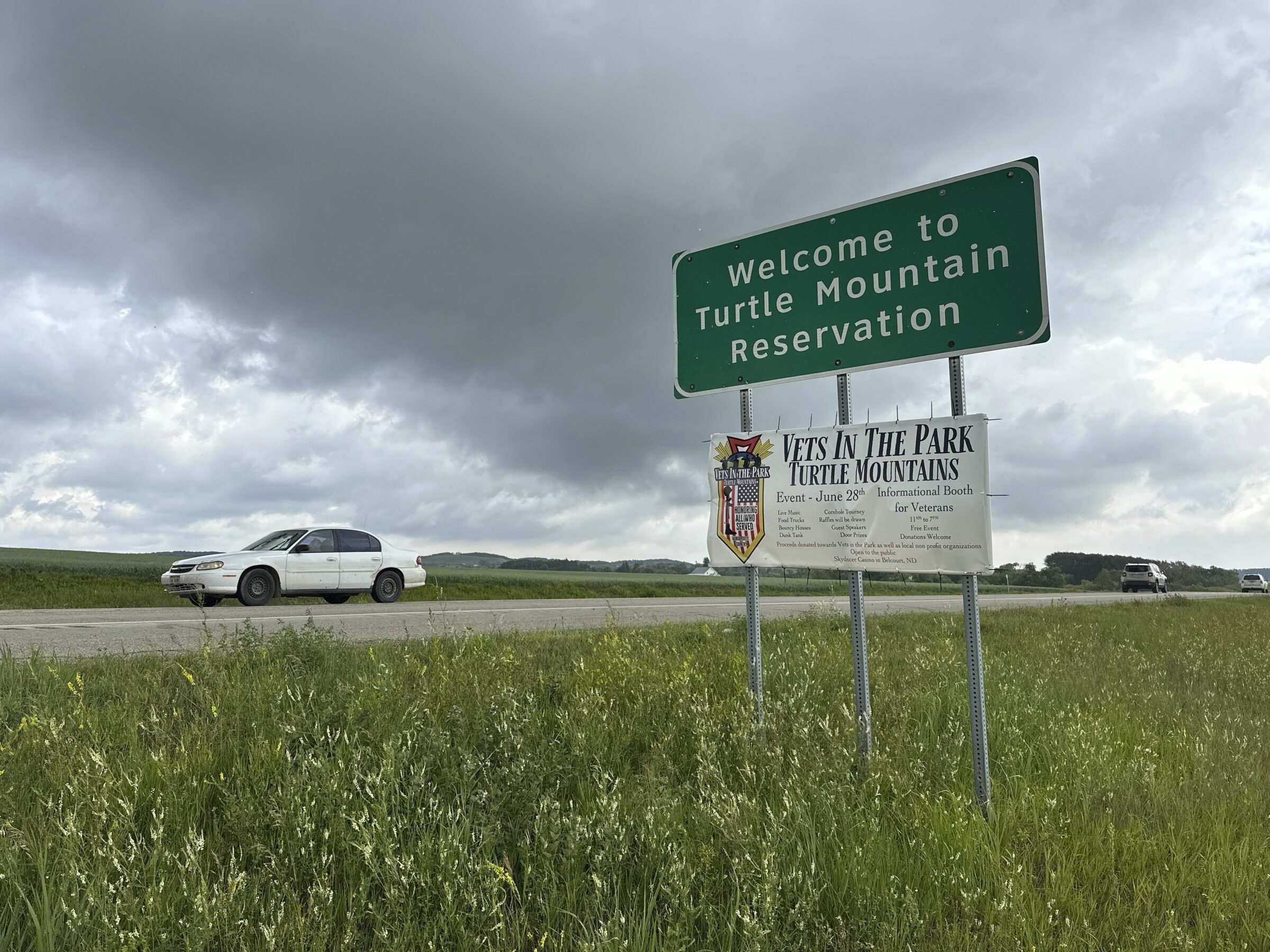
Bolts reported last year on one of the parties ensnared by the circuit court’s ruling, the Turtle Mountain Band of Chippewa Indians. After challenging North Dakota’s legislative districts, they won a new map in 2024 that increased Native representation in the state’s legislature, but the appeal court’s decision last spring tossed out their victory and denied their right to sue the state in the first place.
The tribe has appealed its decision to the U.S. Supreme Court, which put the circuit court’s ruling on hold. The case remains pending, with no other action taken yet.
“We should have the right to challenge unfair redistricting maps,” Nicole Donaghy, executive director of North Dakota Native Vote, told Bolts last year.
3. Will the Supreme Court ban grace periods for mail ballots?
In 15 states throughout the country, including Mississippi, mail ballots postmarked by Election Day, and received during a grace period, count as lawful ballots. In recent years, that group has declined in number, as Donald Trump and establishment Republicans have assailed mail voting, and as Republican-led states have eliminated their grace periods.
In 2024, the Republican National Committee and state GOP challenged Mississippi’s law as violating federal law—and the 5th U.S. Circuit Court of Appeals agreed. It held that federal law establishes a single “election day,” and that Mississippi’s law was preempted by federal law.
Mississippi has appealed the ruling to the U.S. Supreme Court, which accepted the case and is likely to hear it this spring, though it has not yet scheduled oral arguments.
If the court sides with the RNC, it could apply the rule nationwide and ban grace periods in the 15 states that still allow it, which include California, New York, and Texas.
Such a ruling could disenfranchise thousands of voters whose ballots arrived late perhaps through no fault of their own, and the affected voters would likely lean Democratic. Still, there are factors that may limit the ruling’s impact. Late-arriving ballots make up a tiny share of overall votes. Moreover, federal law only supersedes state law as it pertains to federal elections; that means states could still choose to count late-received ballots for local and state elections, even if they have to toss them from the count of federal elections.
4. How will courts deal with the new state laws targeting direct democracy?
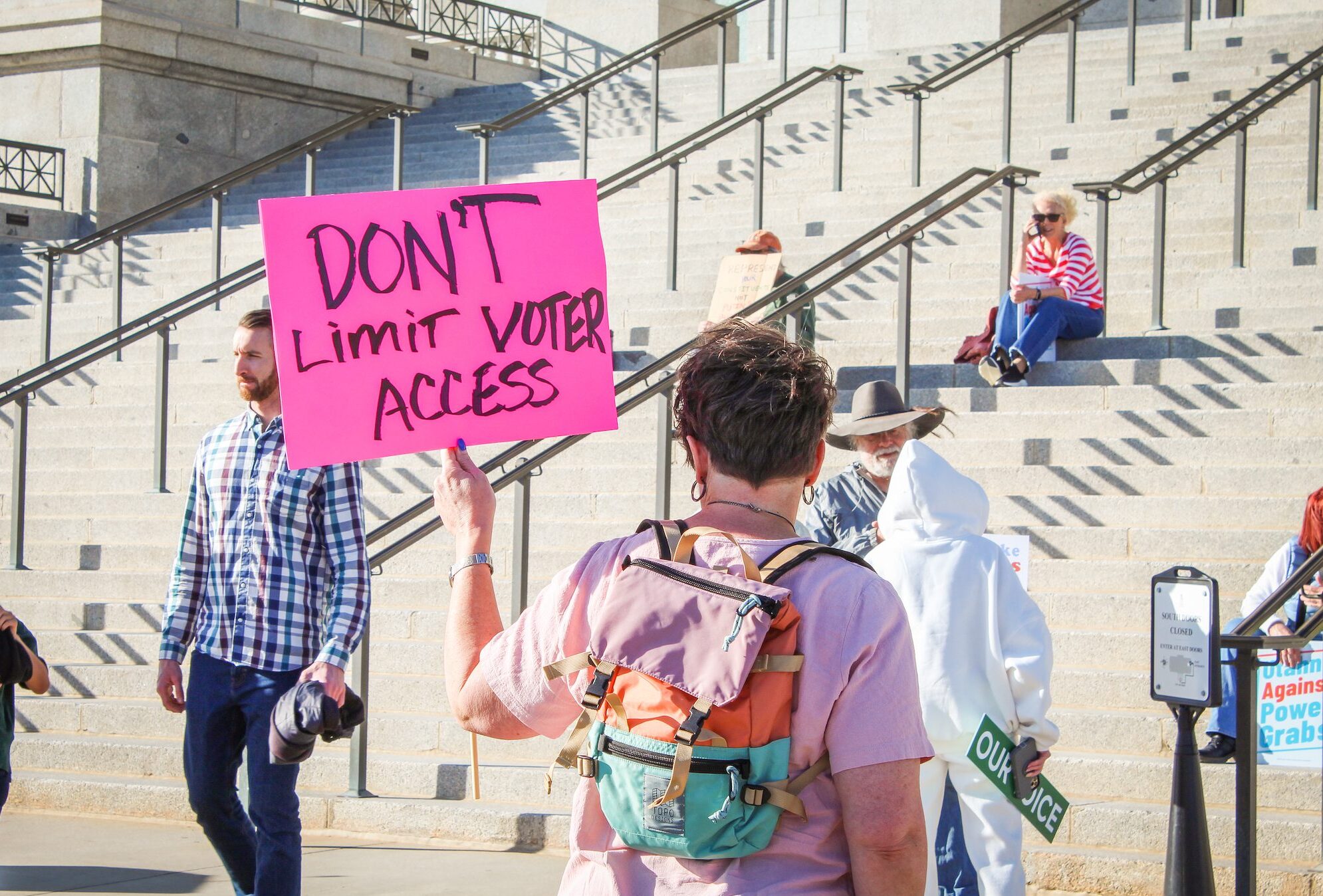
Around the country, Republican legislatures continue to make it harder for voters to exercise their powers of direct democracy.
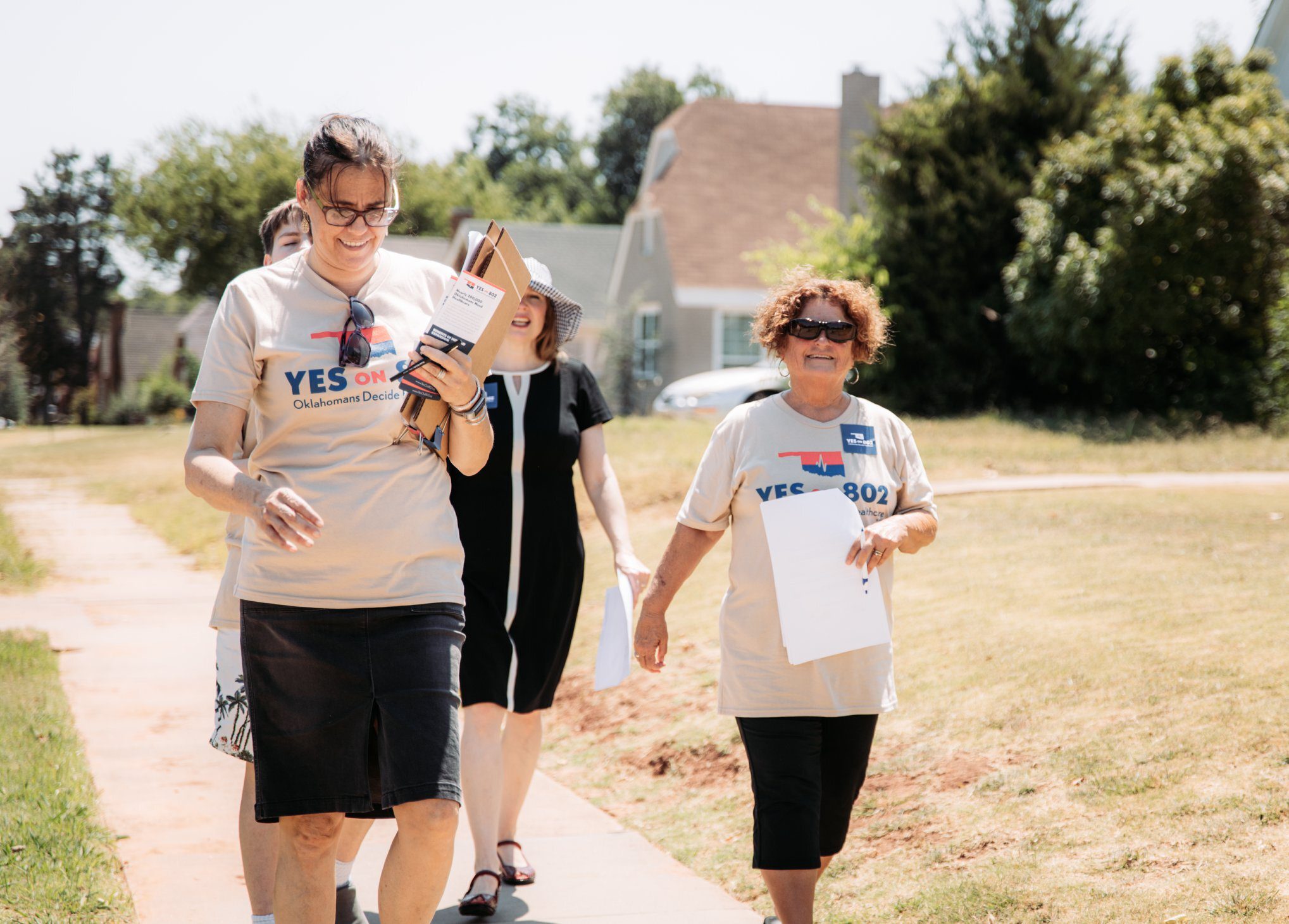
Missouri Republicans have proposed a constitutional amendment, which voters will consider this year, to require initiated measures to receive majority support from all of the state’s eight congressional districts—a near-impossible burden to overcome. Last year, Oklahoma Republicans heightened the state’s distribution requirement for petitions by limiting the number of signatures that supporters of a proposed measure can gather in any one county. And new heightened technical requirements in Arkansas and Florida have limited the ability of organizers to gather signatures, too.
Proponents of direct democracy have filed lawsuits challenging these new restrictions, and these are still working their way through courts. A federal judge in November, for instance, granted a preliminary injunction against some of the laws passed by Arkansas Republicans.
Advocates are vying for success in state courts as well, pointing to language in some state constitutions that protects people’s right to direct democracy.
In 2021, the Idaho Supreme Court held that voters’ direct democracy rights were “fundamental” and struck down a law requiring signatures to be gathered in every state legislative district. And in 2024, the Utah Supreme Court held that voters had a “fundamental” right to alter or reform their government through their powers of direct democracy, a decision that paved the way for Utah courts to restore a popular initiative that required fair redistricting and order a new congressional map this year.
5. How will courts respond to the escalation of mid-decade redistricting?
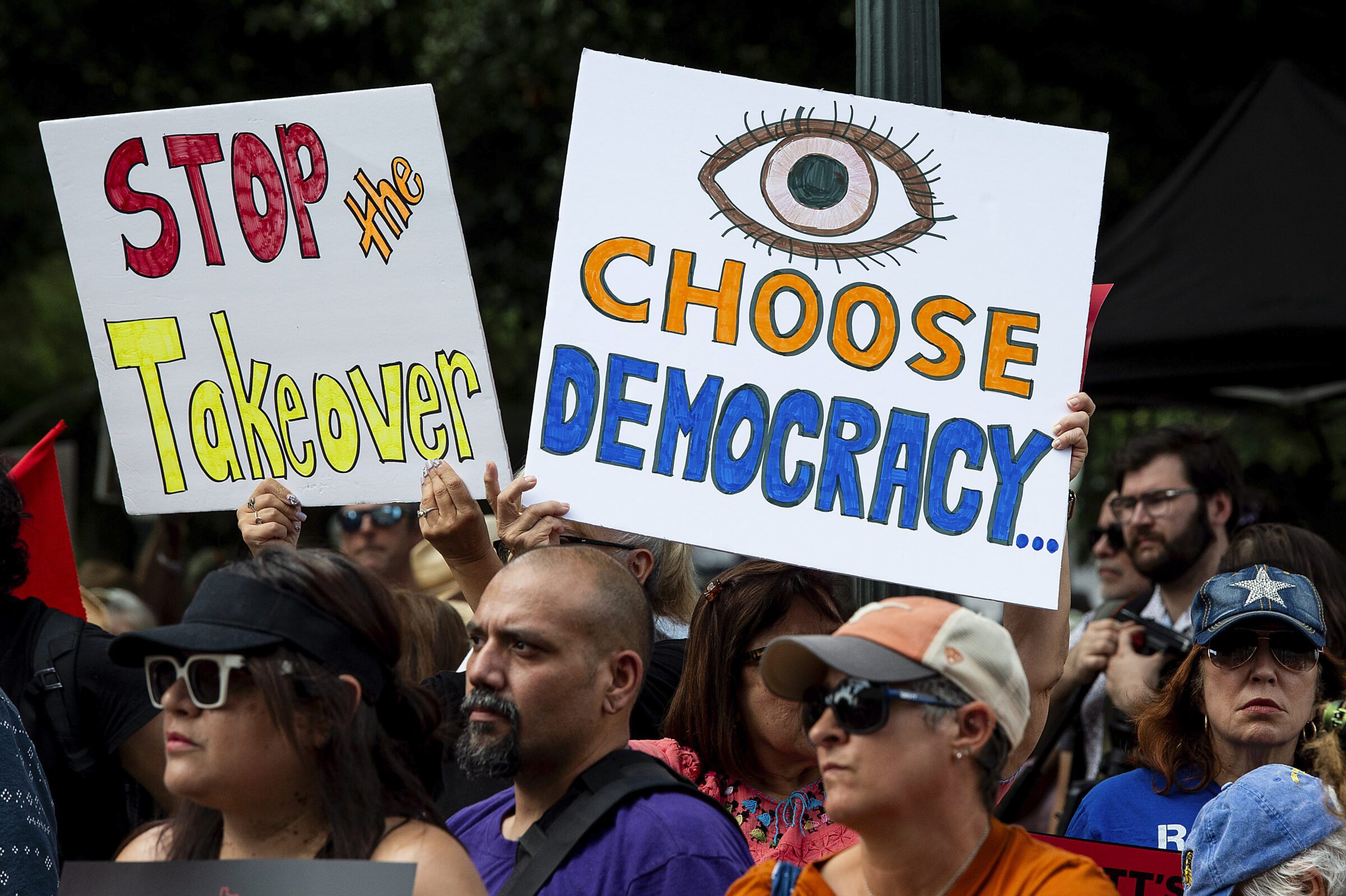
President Trump’s demand that Republican-led states draw new congressional maps last year triggered a rush of mid-decade redistricting. Missouri, North Carolina, and Texas adopted new maps to elect more Republicans; California voters retaliated by suspending the map drawn by their independent redistricting commission and implementing a new map to elect more Democrats. Many other states are still eying similar changes in the run-up to the midterms, including Florida, Maryland, and Virginia.
Each of those efforts has sparked litigation seeking to block the new maps, and courts will be called to adjudicate those disputes in the coming months. Most notably, Missouri organizers are trying to force a voter referendum to repeal the new map but GOP leaders are disregarding thousands of signatures and insisting they can continue enacting the new map—a tense situation that will be resolved in court. Opponents of the map have also filed lawsuits arguing that it violates the state constitution, which they allege prohibits mid-decade redistricting and partisan gerrymandering.
Efforts to redraw districts in Florida could theoretically be limited by the state constitution’s prohibition of partisan gerrymandering, though the state Supreme Court has shown little appetite in vigorously enforcing that protection. And in Virginia, Democrats are days away from advancing a constitutional amendment to set aside the independent redistricting commission’s congressional map, which would give them the ability to pass a gerrymander. But several GOP-backed lawsuits are challenging Democrats’ maneuvers.
In New York and Wisconsin, meanwhile, several lawsuits have already been filed that take the reverse approach; they’re asking courts to toss the state’s existing maps and require new ones. It remains unclear at this time whether courts would rule in time to affect the 2026 midterms.
6. Will noncitizen voting in local elections catch a legal break?
A handful of jurisdictions throughout the country have allowed noncitizens to vote in some local elections. While federal law prohibits noncitizens from voting in federal elections, states are free to expand the franchise further in state and local elections. These efforts have been highly controversial, and have inspired lawsuits challenging their legality under state constitutions. In 2023, San Francisco’s decision to allow some noncitizens to vote in school board elections was upheld by the California Court of Appeal, and the Vermont Supreme Court allowed Montpelier to amend its city charter to let noncitizens vote in local elections.
But last year, the New York Court of Appeals struck down New York City’s reform allowing non-citizens to vote in local elections, concluding that it violated the state constitution.
Bolts reported last fall that the decision left many New Yorkers watching from the margins. “We would have seen tens of thousands of New Yorkers who have been locked out of participating within civic life really pumped to vote,” said Murad Awawdeh, president of the New York Immigration Coalition. “People just want an avenue to exercise their civic duties.”
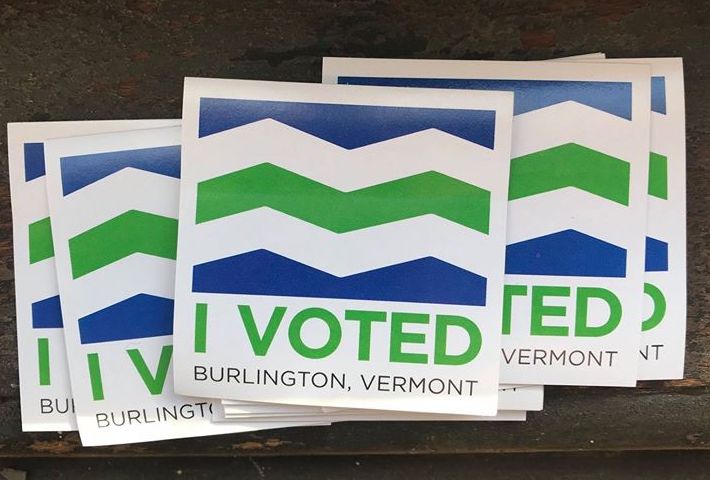
This year, the legal attention switches back to Vermont, where the state supreme court has agreed to take up a new challenge to noncitizen voting, this time in the city of Burlington, which adopted this reform in 2023, spurred by organizing from refugees.
Plaintiffs are arguing that Burlington is violating the Vermont Constitution, which states that only citizens can vote in state-level elections. They argue that, because voters in Burlington vote for the city’s annual education budget, which is paid for from a state fund, they must meet the state-level citizenship requirements for voting. The Vermont Supreme Court heard oral arguments in October, and a decision is expected this year.
7. How will courts respond to Trump’s efforts to force election policies on states?
Trump has taken a heavy hand in attempting to reshape elections since he came back to power in January. This has included issuing a wide-ranging executive order in March that purported to change election procedures all around the country, such as requiring proof of citizenship and ordering changes to how mail ballots ought to be counted.
The order has been widely derided as unconstitutional, and a coalition of Democratic attorneys general quickly filed a lawsuit against it. In a decision last week, a federal judge agreed with a challenge brought by the attorneys general of Oregon and Washington, striking down parts of the executive order and explaining, “the Constitution assigns no authority to the President over federal election administration.”
Trump, who for years has been spreading false claims of widespread voter fraud, is also demanding that states hand over sensitive information about their voter rolls, and while many GOP-run states have complied, Democratic-run states have largely refused. As of publication, the Trump administration is suing 23 states, plus D.C., to force them to hand over the data.

Honorable mentions
Trump’s efforts aside, the U.S. largely leaves it up to states to run and make up the rules for elections, which means there’s an endless stream of other legal issues to follow at any one time all around the country. Bolts will also keep a close eye on them this year, including challenges to North Carolina Republicans’ takeover of the state’s election boards, New York’s Voting Rights Act, and the tight restrictions on voter rights restoration in Kentucky.
Plus, many lawsuits are painstakingly working their way through the courts in which voting rights attorneys are challenging new restrictions on ballot access adopted by conservatives. Bolts will be tracking the challenge to a recent Indiana law banning the use of student IDs for voting, and challenges to laws in Alabama or Georgia that have criminalized offering assistance to prospective voters.
And keep in mind that a host of still-unforeseeable lawsuits are sure to pop up throughout the year, especially if Trump and his allies try to thwart election results as they did in 2020 and test whether courts can act as a bulwark.
Sign up and stay up-to-date
Support us
Bolts is a non-profit newsroom that relies on donations, and it takes resources to produce this work. If you appreciate our value, become a monthly donor or make a contribution.
How courts are shaping democracy