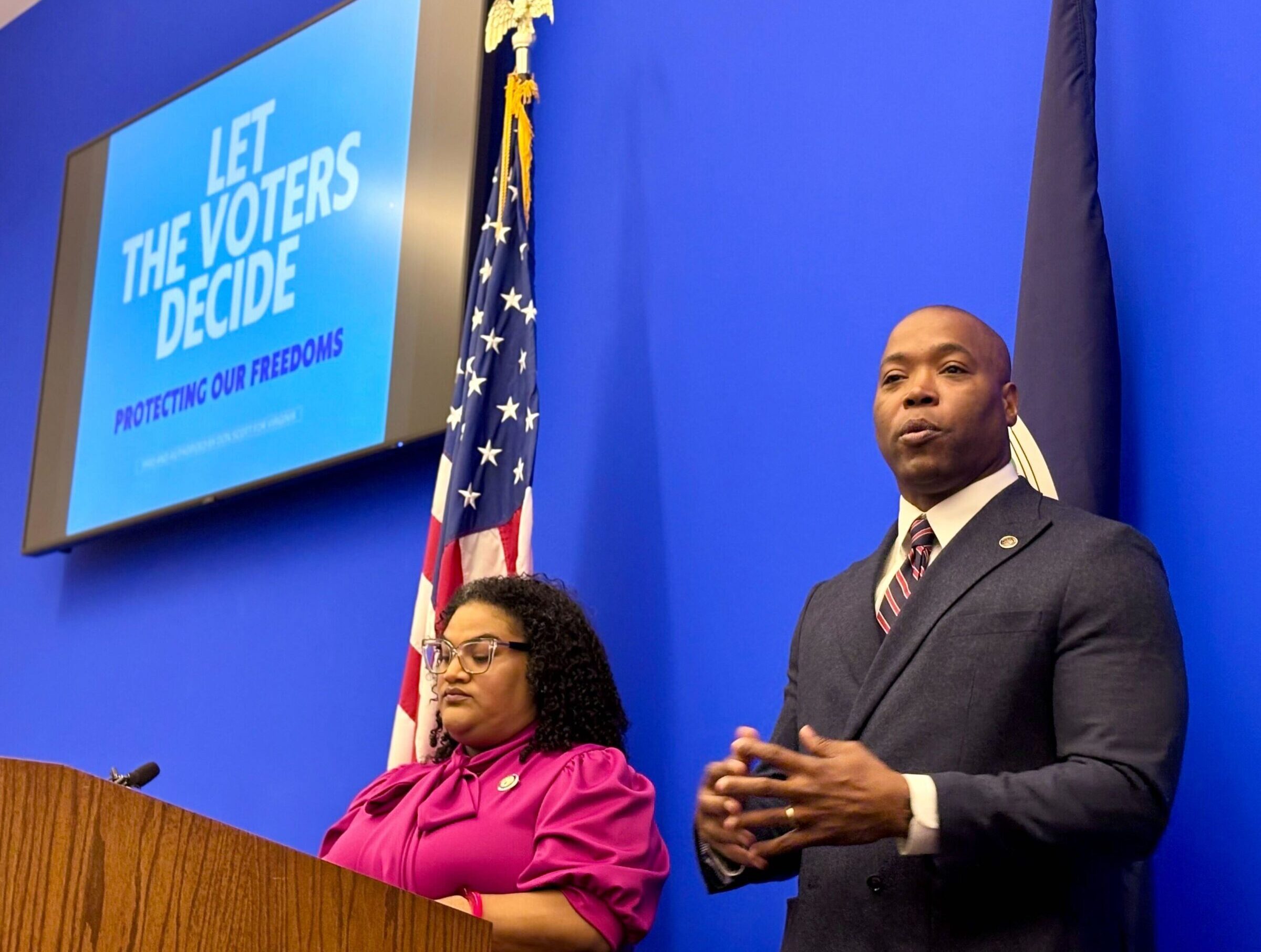

Virginia Governor Restores Voting Rights for Thousands With Past Felony Convictions
This is the only state that was banning people convicted of any felony from voting for life. Virginians have an opportunity to end that system for good in November.
| July 31, 2026
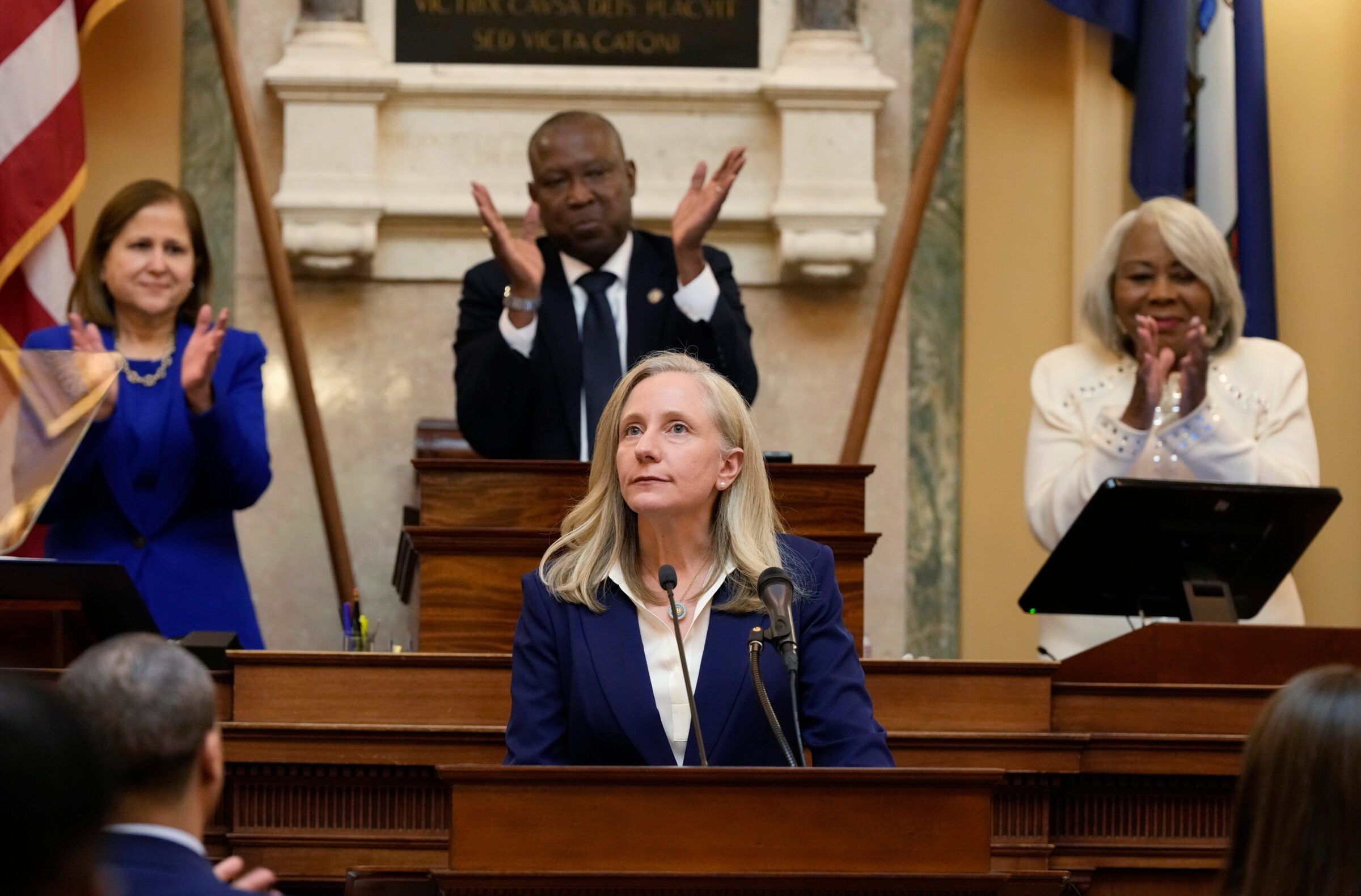
Virginia Governor Abigail Spanberger on Friday announced she is restoring the voting rights of about 66,000 people with past felony convictions, reversing the course set by her predecessor, Glenn Youngkin.
Virginia has been the only state in the country to enforce a lifetime ban on voting for anyone convicted of any felony. Starting in 2013, Virginia governors used their executive powers to automatically restore the voting rights of hundreds of thousands of people, but Youngkin, a Republican who exited office in January, brought that march to an abrupt halt and dramatically limited restorations, to the chagrin of many thousands of would-be voters.
“I’m proud that—after contending with my predecessor’s efforts to deny Virginians their fundamental rights—we have restored the rights of more than 66,000 Virginians who have served their time,” Spanberger, a Democrat, said in a statement on Friday. “These Virginians deserve the right to use their vote, make their voices heard, and be recognized as contributing citizens to our commonwealth and country.”
Get more news on voting rights
Subscribe to our newsletter
Spanberger’s move comes just four months before Virginians will be deciding a constitutional amendment that would ensure people can vote as soon as they leave prison, ending Virginia governors’ discretion to restrict or expand voting rights at their pleasure. Spanberger supports that reform as well, and calls Virginia’s current system of felony disenfranchisement “a shameful relic of our Jim Crow past”—a nod to the explicitly racist origins of that system, which was originally adopted in 1902 by white supremacist Virginia leaders.
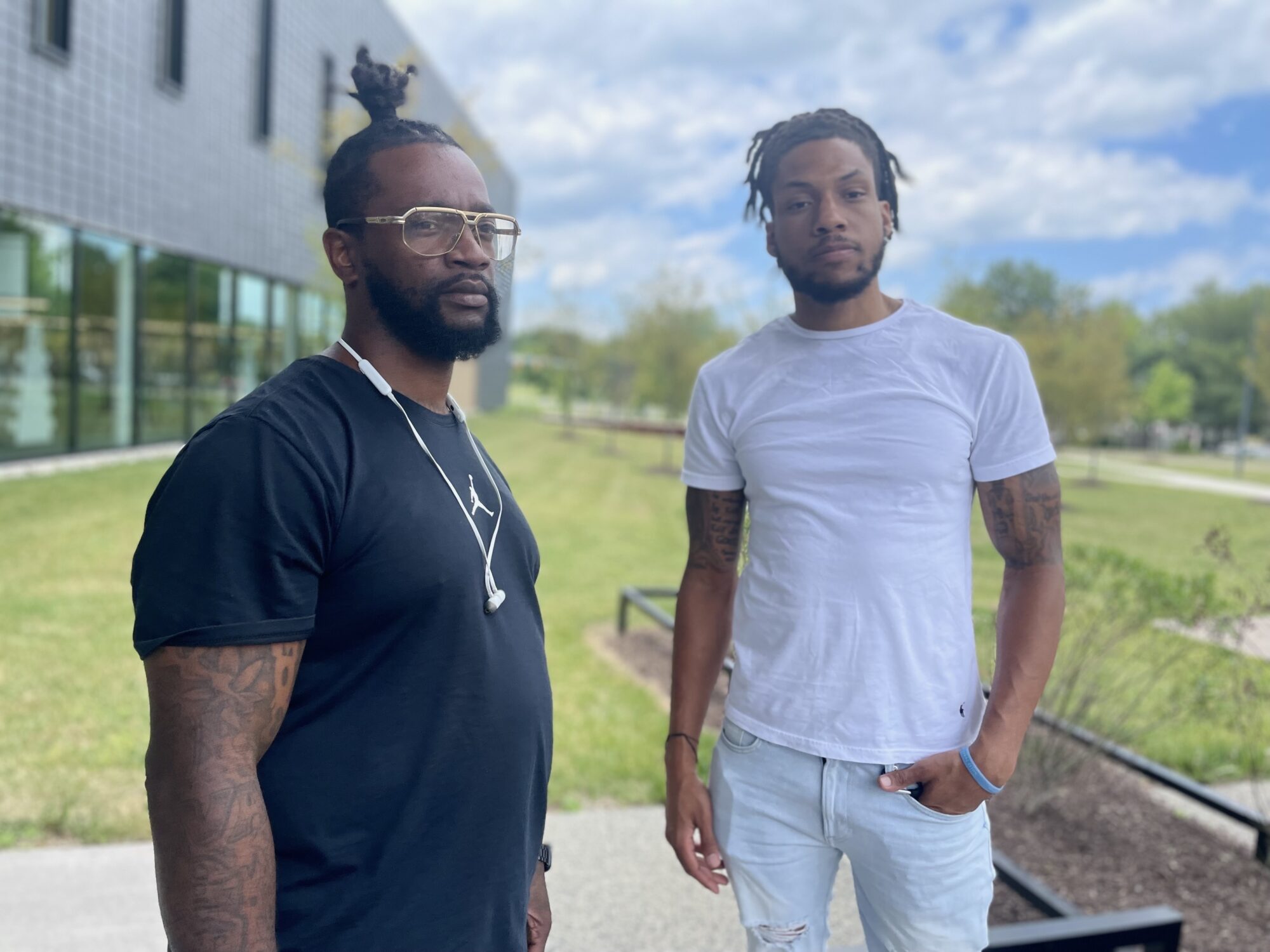
On Friday morning, several disenfranchised Virginians told Bolts they were trying to figure out whether they were covered by Spanberger’s order. Some said they were marked as “pending” when they searched their own voter status on the state’s site.
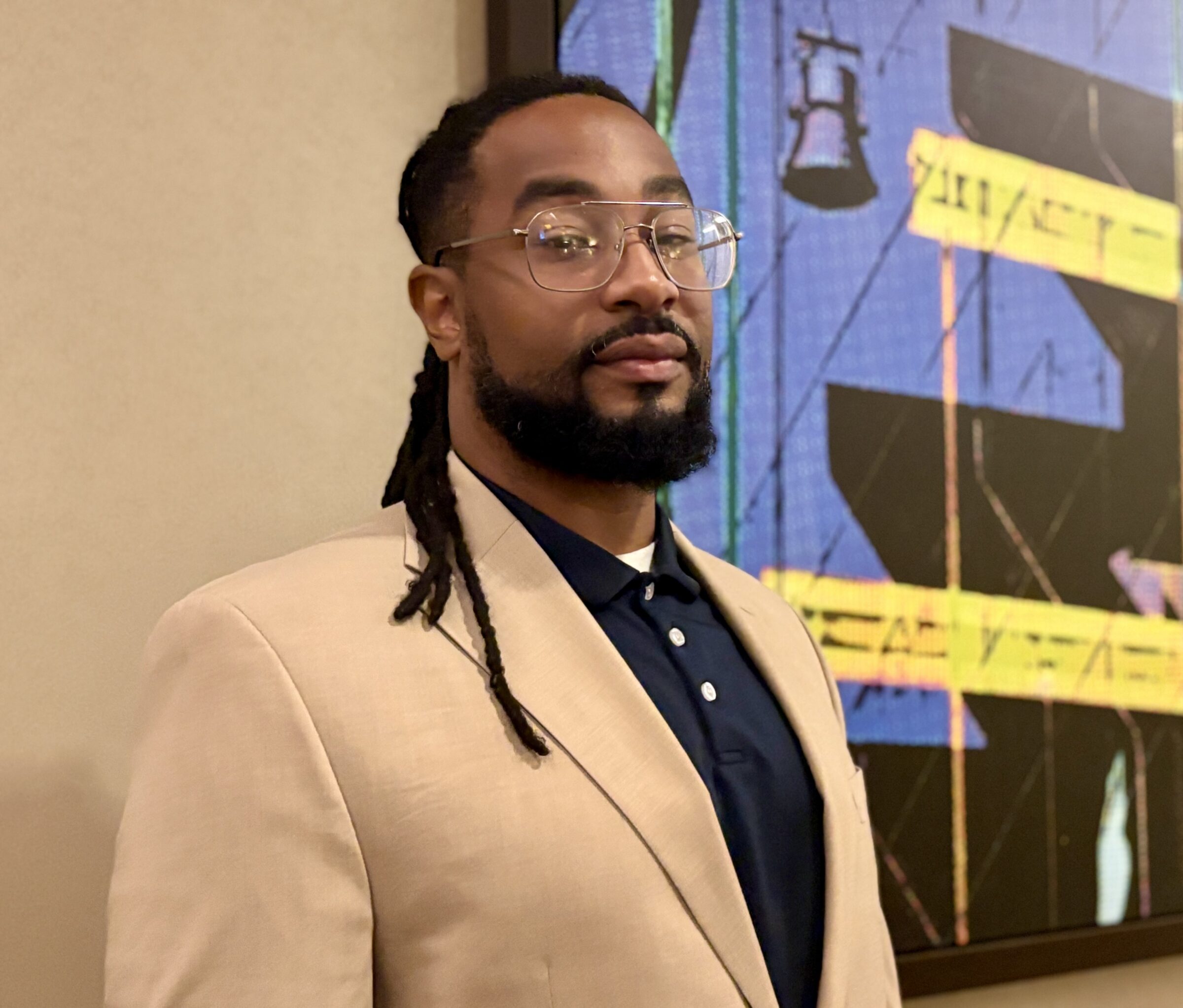
One of these people, Quadaire Patterson, who lives in Henrico and was released from incarceration in 2024, was refreshing that page and hoping to see himself marked as restored.
“I’m definitely aware of my inability to vote and to be able to affect my community in that way,” he said. “My being disenfranchised keeps me a few steps away from the freedom I was hoping when I was released.”
Virginians who regain the right to vote on Friday may have an opportunity to cast a ballot very soon. The state is holding its regular primaries, which will decide nominees for congressional offices, on Tuesday. Virginia allows people to register to vote the day of the election and cast a provisional ballot, which is then verified by local authorities.
Spanberger indicated that more restorations are on the way. Her office said, in a press release announcing the mass restoration on Friday, that it is “working to proactively identify” more Virginians who have exited prison but remain unable to vote.
Voting rights advocates in Virginia applauded Spanberger’s move.
“I know what it feels like to wait for a signature from the governor that determines whether you’re fully welcomed back into society,” Shawn Weneta, a Virginia lobbyist and voting rights advocate who was disenfranchised before being restored in 2021, told Bolts. “It’s about dignity, belonging, and having a voice.”
But he and others emphasized that they still oppose the system that confers such power on a single officeholder. They say Youngkin’s refusal to restore people’s voting rights was a frustrating reminder of how voting access for people with past felony convictions is still at the whim of whoever is governor.
This status quo may be dramatically reformed soon. The measure that Virginia will vote on in November, which was referred to the ballot by Democratic lawmakers, would guarantee voting rights for anyone with a felony conviction so long as they are not incarcerated.
“For the previous four years, the restoration of rights process was opaque and basically dysfunctional,” Democratic state Delegate Marcia Price, vice chair of the campaign to pass the amendment, told Bolts following Spanberger’s announcement. “The right to vote should not be based on the desire and competence of the current governor. It is a right that should be protected and enshrined in our constitution.”
The November measure, if passed, would bring Virginia in line with 23 other states that restore voting rights to people with felony convictions upon exiting incarceration. Another two states, Maine and Vermont, plus Washington, D.C., and Puerto Rico, never disenfranchise people for felony convictions. Missouri rolled back felony disenfranchisement earlier this month, restoring the voting rights of most but not all people once they leave prison.
Besides Virginia, only Iowa and Kentucky have language in their state constitutions that provide that anyone convicted of a felony lose the right to vote permanently. But the governors of both states have issued executive orders that considerably soften those rules.
Friday marked Spanberger’s most thorough public remarks on felony disenfranchisement since she became governor. But behind the scenes, her administration was forced to confront the issue long before this week: In January, just days after she was sworn in, a federal judge issued a landmark ruling stating that Virginia has been illegally disenfranchising people for 156 years, by violating the rules that the Reconstruction Congress set out when it readmitted former Confederate states into the Union.
The January federal ruling was the first to hold any state accountable for violating the Readmission Acts they signed after the Civil War, which explicitly barred former Confederate states from establishing widescale systems of felony disenfranchisement—guardrails that Virginia and other Southern states quickly disregarded.
Spanberger’s administration has been tangling with voting rights advocates over how to implement the ruling; attorneys with the ACLU, Protect Democracy, and WilmerHale have pushed the administration to restore voting rights to people who, per the judge in the case, have been wrongly disenfranchised, and they’ve alleged a lack of urgency and clarity from the state.
Sheba Williams, executive director of the Richmond nonprofit Nolef Turns, which advocates for formerly incarcerated people, told Bolts Friday morning that she remains focused on the November amendment.
“What she (Spanberger) did today—that can change from moment to moment, administration to administration, person to person,” Williams said. “We do not need one person in charge of people’s lives.”
Sign up and stay up-to-date
Get timely updates about pressing stories and elections.
Support us
Bolts is a non-profit newsroom that relies on donations, and it takes resources to produce this work. If you appreciate our value, become a monthly donor or make a contribution.