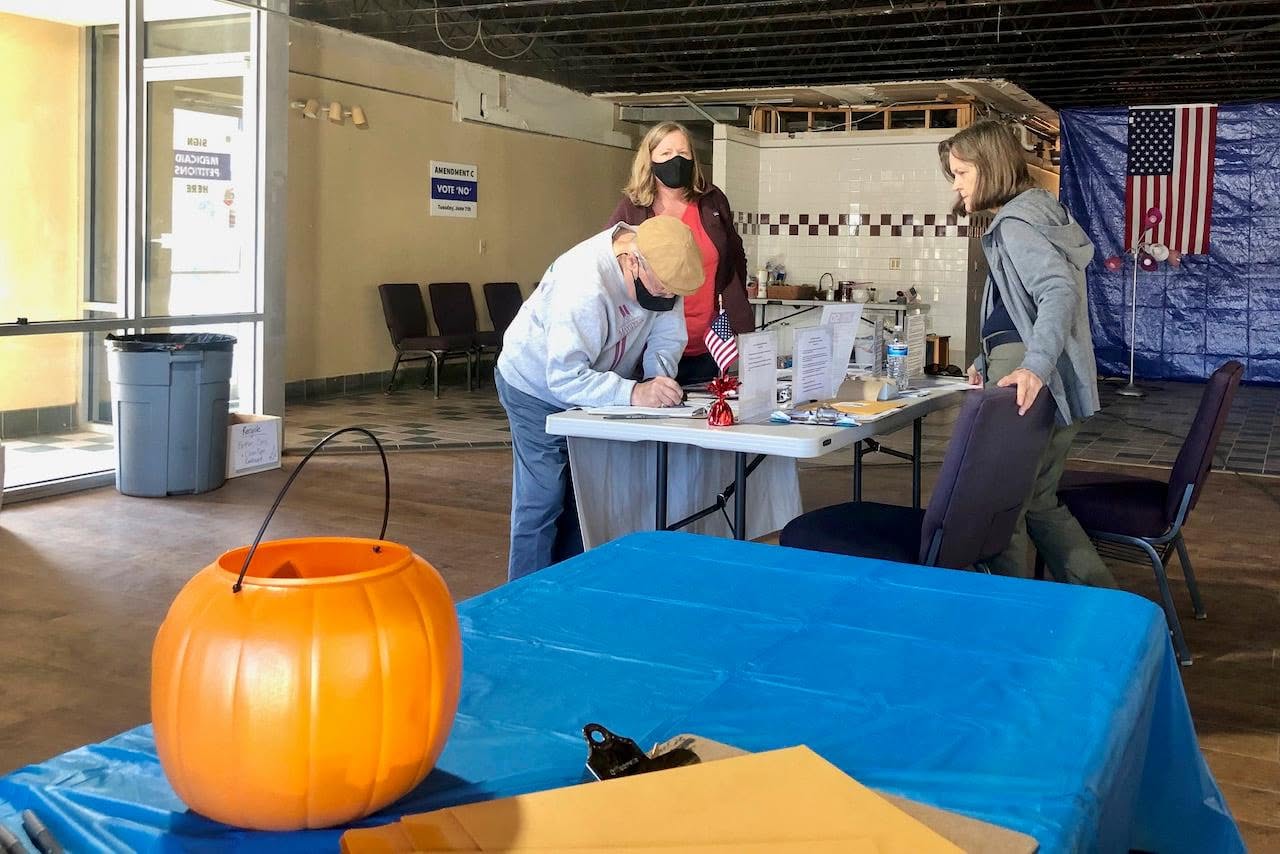

To Protect Direct Democracy, Two States Mull a New Approach: Name It As a Right
Ballot measures in Missouri and Montana would strengthen citizen-led initiatives. Democracy advocates in each state are going on the offense after facing years of attack.
| September 18, 2026
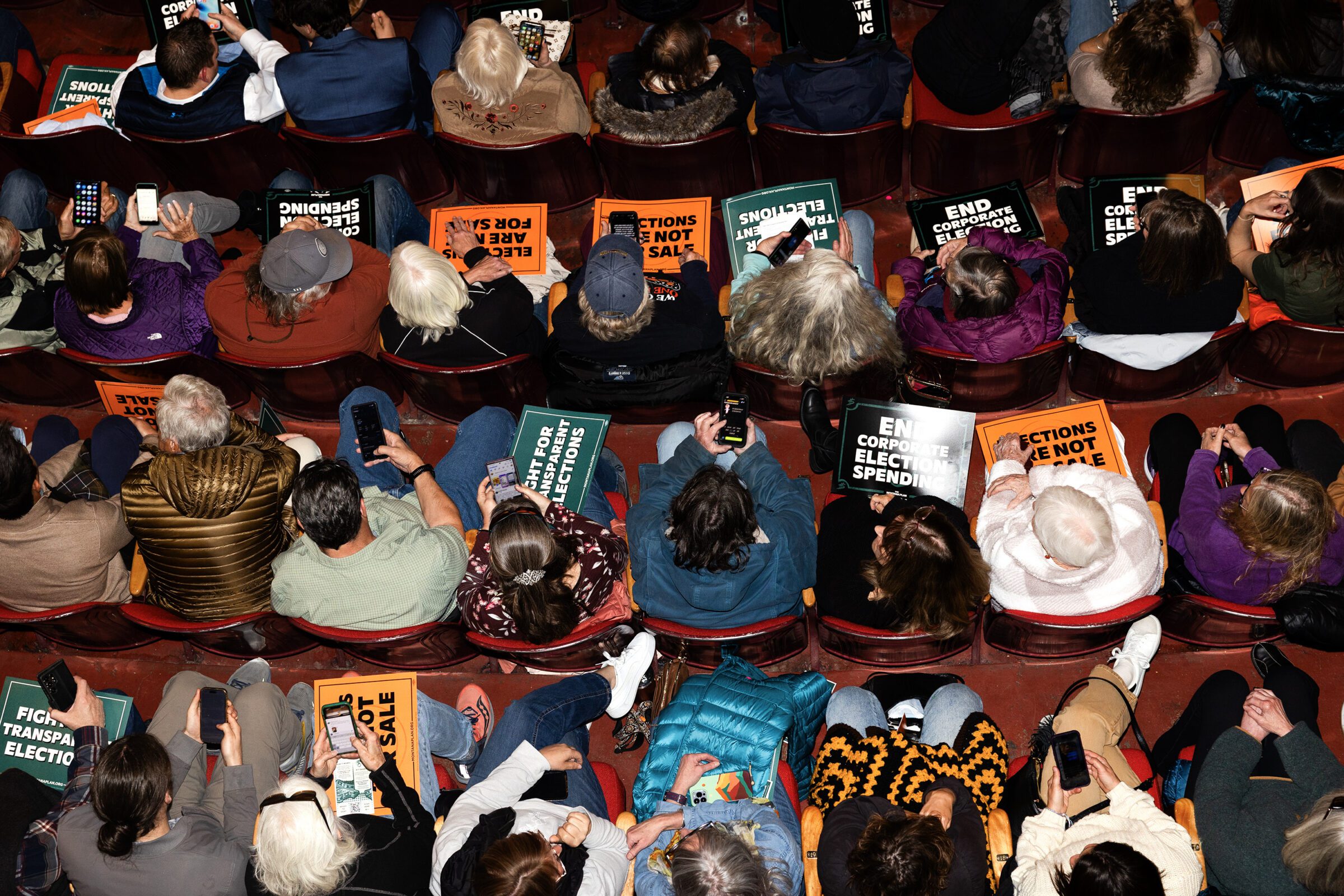
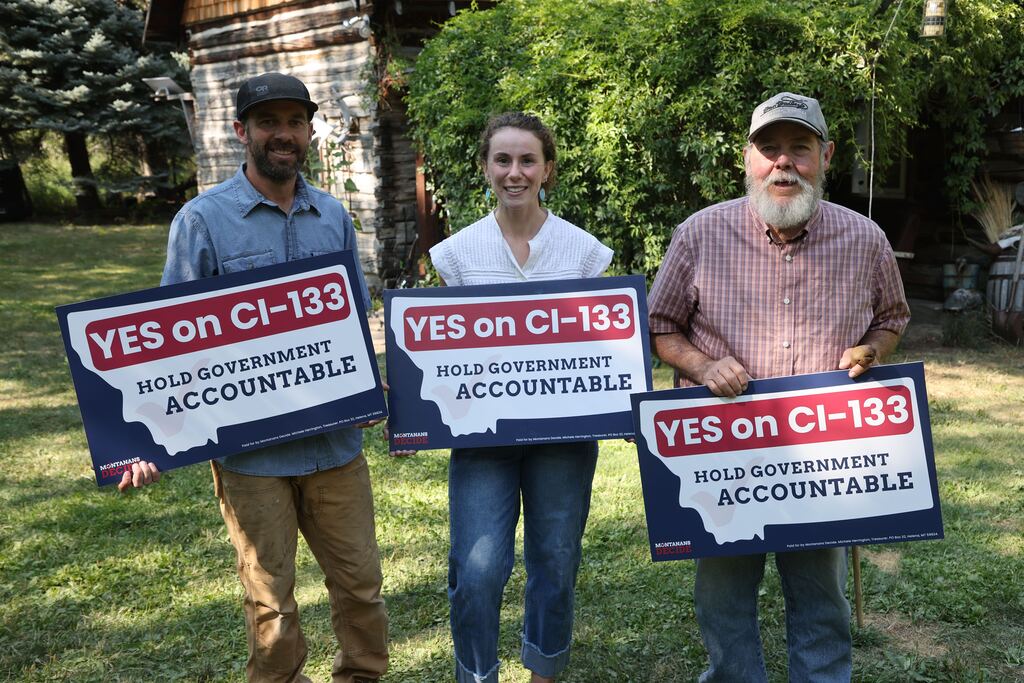
After years of attacks on voters’ power to take matters into their own hands, democracy advocates are going on the offensive in Montana and Missouri. They’ve placed constitutional amendments on the ballot to declare that people have a fundamental right to popular initiatives.
If voters approve these measures in November, Missouri and Montana would have some of the nation’s most robust constitutional protections for direct democracy, legal experts told Bolts.
Voters in both states have used initiatives to protect abortion and legalize marijuana in recent years. But Republican officials have responded by piling on hurdles in front of initiative campaigns. In Montana, they’ve tightened rules around gathering signatures for citizen-led initiatives and set the nation’s highest fee for launching a campaign.; In Missouri this summer, they unsuccessfully tried to raise the threshold for popular initiatives to pass. And in both states, officials kept trying to knock measures off the ballot.
“There’s been sort of this death by a thousand cuts strategy here in Montana and I think across the country,” said Dani Hess, a spokesperson for the campaign that has organized the initiative on initiatives, which will appear on the ballot as CI-133. Organizers from many GOP-run states have shared similar concerns with Bolts in recent years as they have watched officials make it tougher to qualify popular initiatives and even criminalize parts of the process.
“People are really frustrated with the government right now, and it is a really important time to protect the ways that voters can have a more direct say on the laws that impact their lives,” Hess said.
Montana’s constitution already allows citizens to enact policy and pass amendments through popular initiatives; it has done this since 1906. But the upcoming amendment would enshrine the process into the constitution’s Declaration of Rights, adding a clause that would say, “The people have a fundamental right to exercise their powers of initiative and referendum.”
For more on the midterms
Subscribe to our newsletter
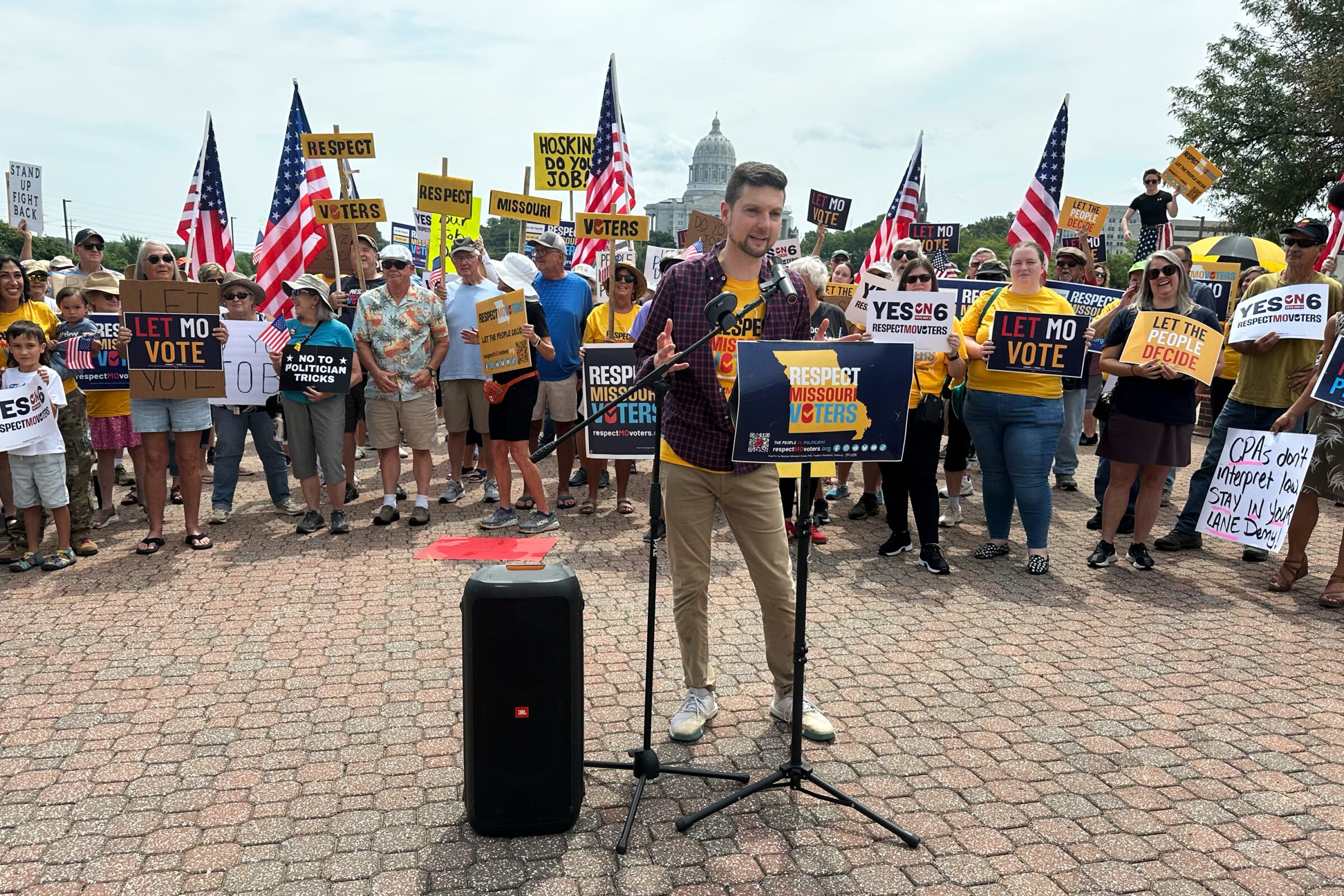
The Missouri proposal, which will appear on the ballot as Amendment 6, would similarly declare that the “rights of initiative and referendum as set forth in this Constitution are fundamental rights.”
According to Derek Clinger, a legal scholar who researches democracy in state constitutions, this would give popular initiatives “the highest level of constitutional protection,” known as strict scrutiny. Campaigns could then wield this to challenge state hurdles and restrictive laws.
“If something impacts a fundamental right, courts are supposed to basically subject it to very rigorous questioning,” said Clinger, who works at the State Democracy Research Initiative at the University of Wisconsin Law School.
Hannah Ledford, executive director of the Fairness Project, a national group that has helped expand Medicaid via ballot initiatives in both Missouri and Montana, shares Clinger’s analysis. She told Bolts that once you tell the state “that this process belongs to the people fundamentally,” then “you cannot restrict it unless you meet an extremely high legal standard.”
Both measures also contain more precise protections. Organizers tailored the proposals to counter the maneuvers that Republican officials have been using in each state to undercut direct democracy.
Missouri’s Amendment 6 says the state legislature cannot roll back a popular initiative approved by voters unless 80 percent of lawmakers approve the change; even then, voters would still have to approve any modification before it goes into effect.
Just last year, Missouri Republicans repealed a paid sick leave reform that citizens had approved in 2024; the legislative votes fell well short of the 80 percent threshold, meaning that the repeal would have failed under the rules that Amendment 6 would set.
The Montana measure says the initiative process should remain “impartial, predictable, transparent, and expeditious.” The provision is meant to stop officials from running down the clock to hinder initiatives they disagree with.
Montana advocates point to Senate Bill 93, a package of restrictions Republican lawmakers adopted in 2023, as a source of many of the hoops initiative campaigns must jump through. Organizers have sued to block its provisions, including a $3,700 filing fee that had to be paid before a campaign could begin; the state supreme court heard the case in April but has yet to rule.
SB 93 also allowed the Montana attorney general, who must approve a campaign before it can begin circulating signatures, to unilaterally decide whether a popular initiative is unconstitutional, which can force organizers to spend time appealing to the supreme court if the attorney general rules against them.
The current attorney general, Republican Austin Knudsen, has used that authority to shut down many proposed initiatives, only to be rebuffed by the Montana Supreme Court, which has repeatedly ruled that he overreached beyond what is meant to be a procedural review.
For example, Knudsen used these powers in 2024 to stall an abortion rights initiative for months. His determination was overruled by the supreme court, but by the time the legal battle ended, the maneuver had burned through two months of the campaign’s window to gather signatures, leaving only three months.
This cycle, Knusden again tried to block a bevy of proposals, rejecting CI-133 as well as initiatives that seek to ban corporate election spending and to guarantee that judicial elections must be nonpartisan. The court rejected Knusden’s determinations and all three proposals will appear on November’s ballot.
“It is a way of procedurally gaming the system so that it is harder and maybe even impossible to get the signatures that you would need,” says Constance Van Kley, a law professor at the University of Montana who has written about popular initiatives.
Knusden’s office did not respond to a request for comment on his approach to initiatives, nor did the chief legislative sponsor of Montana’s SB 93.
CI-133 would speed up legal challenges, forcing courts to decide matters more quickly and preventing state officials from eating into into the already-tight window that campaigns have to collect signatures
Proponents of CI-133 also stress the importance of a separate provision that would restrict state officials’ ability to change the language of ballot initiatives.
This has also been a battleground in recent years as Montana’s attorney general has significantly rewritten proposed initiatives in a way advocates denounce as bias. Before certifying the 2024 abortion amendment, Knudsen wrote a new description that asserted that it would “allow post-viability abortions up to birth” and “may increase the number of taxpayer-funded abortions.” The Montana Supreme Court rejected his language and wrote its own version.
The rules adopted by the GOP legislature in 2023 also allow the attorney general to put a note on petitions warning potential signatories of its fiscal impact. Knudsen added such a warning to the abortion petition, even though the state’s budget office could not determine any fiscal effects for the amendment, and the state supreme court stepped in again.
Legal experts acknowledge that, even if the Missouri and Montana measures pass, it would still be up to state courts to enforce them.
But they say the measures would change how judges approach direct democracy cases. “Often, direct democracy is not thought of as a right at all, but rather as something like a power that is held by the people, as part of the system of checks and balances,” says Van Key. That means courts weigh restrictions on the initiative process against lawmakers’ broad constitutional authority to decide how elections are conducted, which often provides justices extensive legal room to bless regulations adopted by lawmakers.
Treating popular initiatives as a right, Clinger said, “gets rid of that wishy-wash approach.”
Clinger points out that some state supreme courts have already ruled that direct democracy is a fundamental right. But this remains unusual and the language is not explicit in their state’s constitutions, so those determinations may be vulnerable to future challenges depending on the compositions of those courts.
In 2021, the Idaho Supreme Court affirmed “the people’s fundamental right to legislate directly.” Three years later, the Utah Supreme Court also ruled that Utahns have a “fundamental right” to use citizen initiatives to reform their government. These decisions have sparked tremendous backlash from the GOP and Utah Republicans expanded their state’s supreme court this year, a move that could produce a bench more favorable to their arguments.
Missouri conservatives similarly threatened to impeach justices on the Missouri Supreme Court this month after the court blocked a Republican gerrymander and allowed a veto referendum to move forward.
In Montana, too, Republicans have worked to gain more reliable allies on a court that has frequently acted as a “backstop” against voter restrictions beyond direct democracy issues; they have tried, so far largely unsuccessfully, to change how justices are elected to have a better shot at winning. If they succeed, they could change the court’s pro-voter approach.
The amendments that are now on Missouri and Montana’s ballots could insulate popular initiatives from such shifts. “Personnel in the courts are changing, and that can also shift how a court approaches these issues,” Clinger told Bolts. “Even if the personnel of the court changes, this would lock in that direct democracy is a fundamental right.”
Van Key added, “When you put something in the constitution, it constrains the court as well.”
Sign up and stay up-to-date
Get timely updates about pressing stories and elections.
Support us
Bolts is a non-profit newsroom that relies on donations, and it takes resources to produce this work. If you appreciate our value, become a monthly donor or make a contribution.