
How the Blue Wave Powered Liberal Judges in Supreme Court Elections
Democrats flipped seats on Ohio and Texas’ high courts and defended seats in Michigan and North Carolina. Voters held off conservative efforts to gain ground in Montana and Utah.
| November 11, 2026
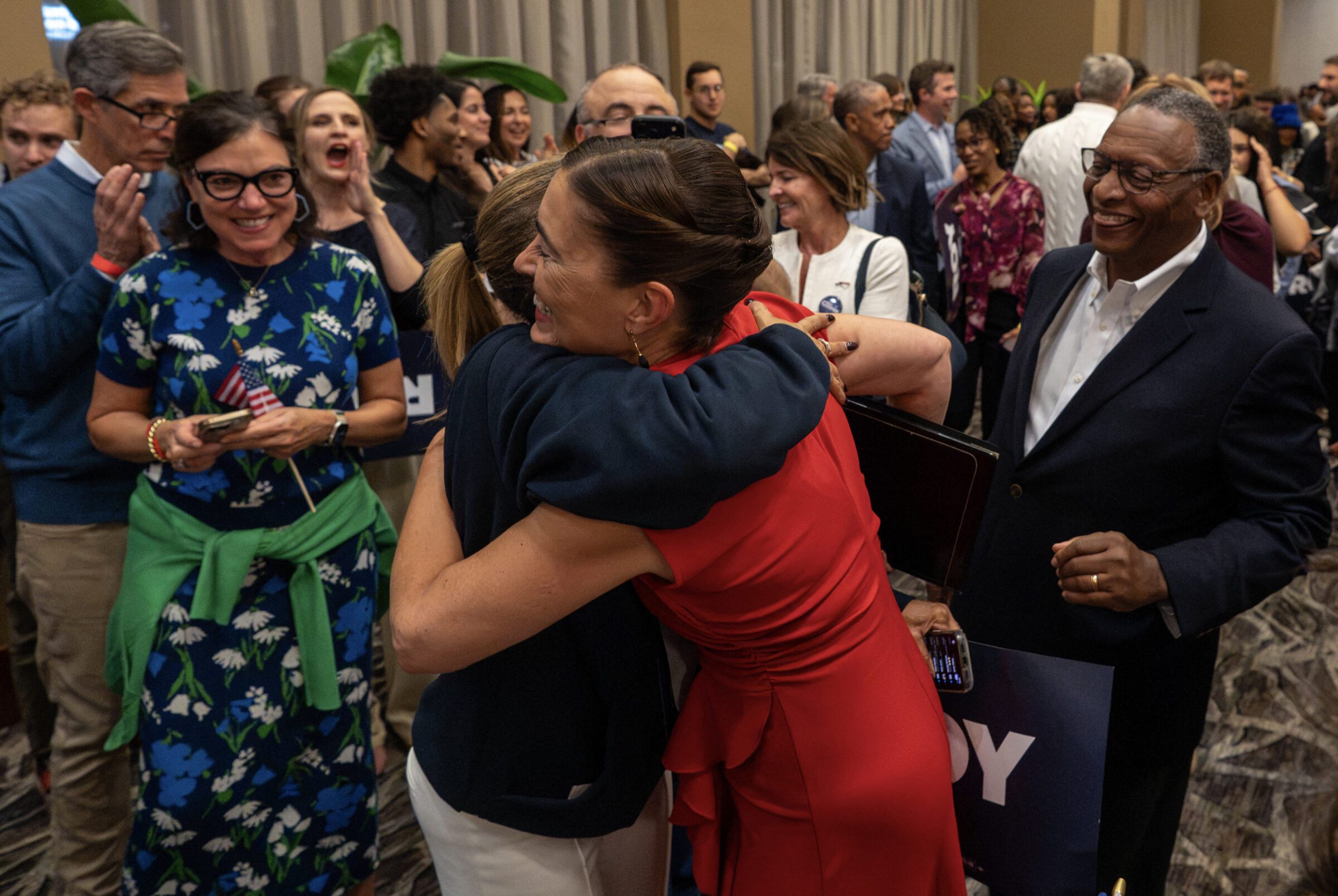
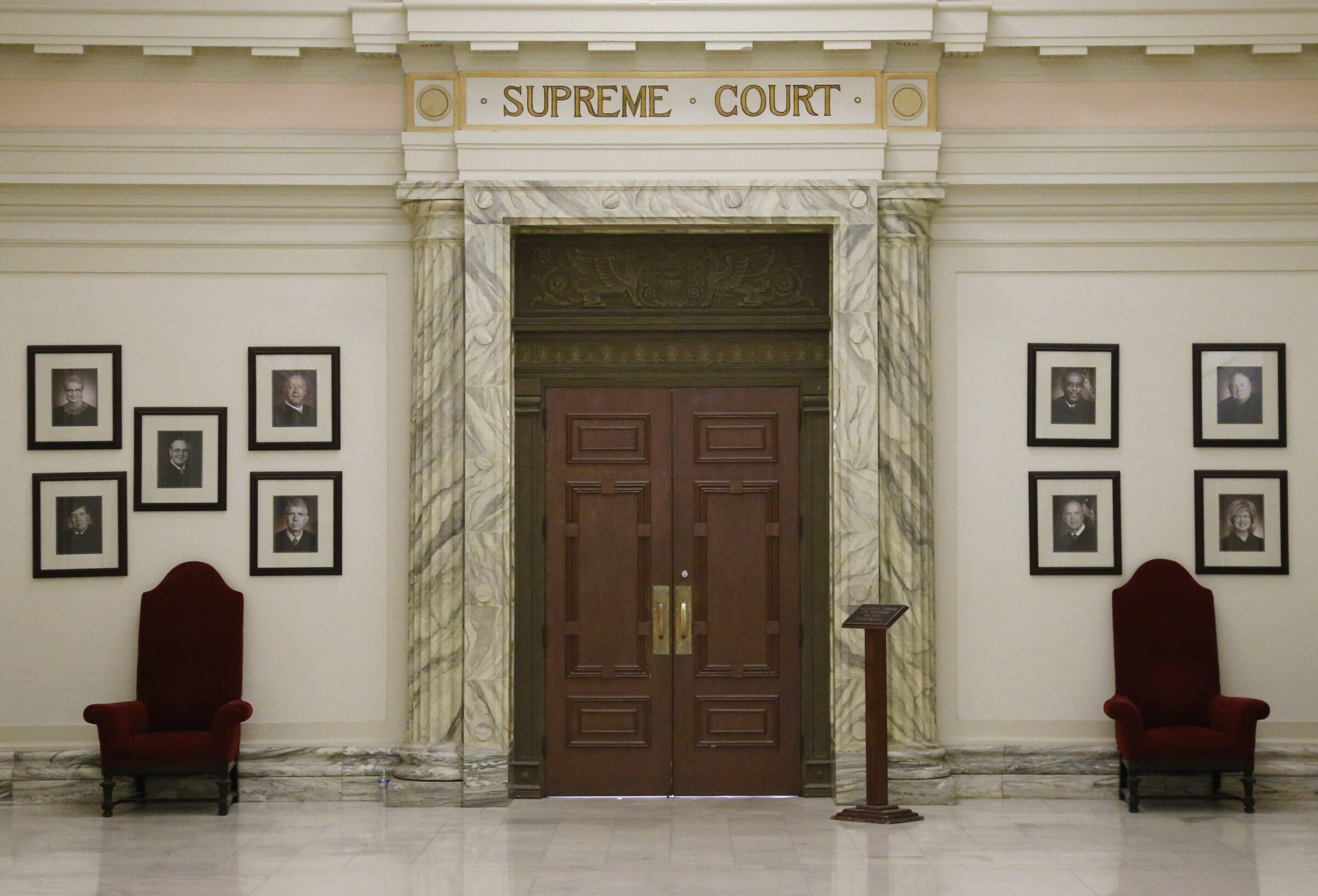
Democrats’ strength in last week’s midterms trickled down to elections for seats on state supreme courts, powerful bodies that have the final word on all sorts of major issues—and whose rulings create a patchwork of laws and legal realities for residents that can vary widely state to state, from abortion access to redistricting.
Twenty-three states were voting on supreme court seats last week, on top of the eight that already held court elections earlier this year. Some held retention elections, in which justices faced simple yes-or-no votes to keep their seats, while others held more conventional, competitive contests.
Democrats or Democratic-backed candidates defended three supreme court seats in Michigan and North Carolina that Republican challengers hoped to take over, and flipped five seats across the supreme courts of Ohio and Texas—adding to their gains on Wisconsin’s supreme court in April. In Texas, Democrats also flipped three seats on the Court of Criminal Appeals, the state’s high court for criminal cases.
In Montana, the main state where ideological control was at stake last week, the more liberal candidate prevailed by roughly 20 percentage points over a GOP-backed candidate. Montana observers told Bolts that the result solidifies the court’s standing as a “backstop” against conservative legislation in the state.
“We had some pause: Is this the election that flips the Supreme Court in the other direction?” said Keaton Sunchild of the Billings-based Native American advocacy group Western Native Voice, which has sued the state over restrictions to ballot access. “When it became apparent it was not, it was a sigh of relief for our organization and many other organizations around the state.”
In Utah, a justice survived a retention vote despite opposition from the GOP, which earlier this year expanded the court by two seats to make it more conservative. Justices who have drawn Republican anger in recent years also survived retention in Kansas, Missouri, and Oklahoma.
The GOP’s clearest supreme court successes this year came in elections that were held this spring in Arkansas and Georgia, where GOP-backed justices prevailed. Republicans may still be able to point at a success in Washington, where a candidate who drew support from both Democratic officials and the state Republican Party is narrowly leading as of publication.
While no court majority outright flipped this year, the results set up intense competition in the 2028 cycle, largely to Democrats’ benefit.
Democratic gains in Ohio and Texas have put them in the unexpected position to gain control of these state’s supreme courts in two years. Plus, North Carolina Justice Anita Earls’ reelection makes for an easier road for Democrats looking to flip that court in 2028. Meanwhile, Republican losses in Michigan mean the party can no longer flip that state’s supreme court in two years, barring an unforeseen retirement.
Bolts walks you through each supreme court race that took place this year, state by state.
For more on the 2026 midterms
Sign up to our newsletter
Alabama
Justice Greg Shaw, a Republican, easily defeated AshLeigh Dunham, a Democratic attorney at a law firm that helps people navigate assisted reproduction like in vitro fertilization. Dunham said she was inspired to run by her anger at the Alabama Supreme Court’s decision in 2024 that held that frozen embryos are children, which led fertility clinics to shut down; Shaw voted with the majority in that decision.
Shaw won by 16 percentage points, the narrowest margin for a Republican in a supreme court election in Alabama since 2018. A second GOP justice, Brad Mendheim, secured reelection unopposed.
Alaska
Justice Jude Pate easily secured a new term in an up-or-down retention vote, his first time facing voters since he was appointed to the court by Republican Governor Mike Dunleavy in 2023.
Arizona
John Lopez IV, a Republican-appointed justice who wrote the court’s 2024 ruling that outlawed nearly all abortions, easily secured retention with 59 percent of the vote. That’s roughly the same share of the vote that two of his fellow conservative justices enjoyed in 2024.
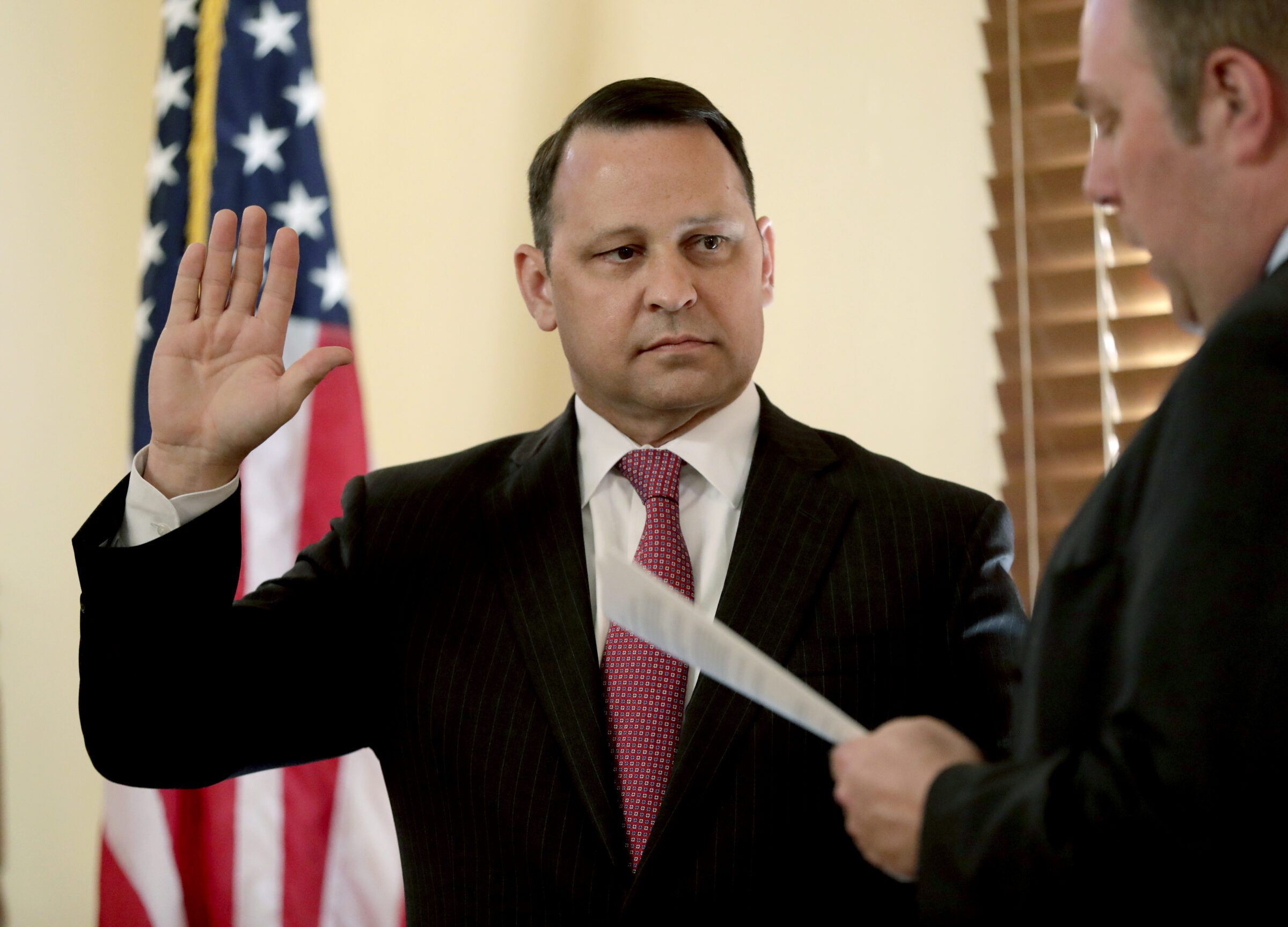
No sitting Arizona justice has ever lost an up-or-down retention election. But the left and the right both tried to shake up the status quo two years ago, unsuccessfully; progressives mounted an unusually strong effort to convince voters to oust anti-abortion justices, and conservatives asked Arizonans to cancel judicial elections altogether. Some change has nevertheless come to the court since then as Governor Katie Hobbs appointed Maria Elena Cruz last year, making her the court’s only Democratic-appointed justice at present.
Arkansas
Justices Nick Bronni and Cody Hiland, two conservative appointees of Governor Sarah Huckabee Sanders, secured their first full terms in the state’s March elections. As Bolts reported at the time, Bronni and Hiland ran for each other’s seats to get around the state constitution’s prohibition on an appointed justice running for a full term; they also benefited from a new law that allowed interim judges to use their new title on the ballot, making it easier for them to reap the benefits of incumbency. The results fulfilled Huckabee Sanders’ stated goal to “cement” a conservative majority on the court.
But President Donald Trump this week nominated Hiland to a federal judgeship. If Hiland is confirmed by the U.S. Senate, it would leave yet another state supreme court vacancy for Huckabee Sanders to fill.
California
Justice Kelli Evans, an appointee of Gavin Newsom, and Justice Joshua Groban, an appointee of Jerry Brown, easily won their retention elections with over 70 percent of the vote. No California justice has lost retention since 1986, though the state’s largest police union mounted an ad campaign this fall to urge voters to oust Evans, saying she was too amenable to hearing appeals from defendants in criminal cases.
Colorado
Justice William Hood, who joined the court in 2014 after being appointed by Governor John Hickenlooper, a Democrat, easily won his retention vote with 66 percent of the vote—a margin in line with other recent, uneventful judicial elections in the state.
Florida
Carlos G. Muñiz secured retention by 15 percentage points, the tightest margin for a Florida justice in at least a decade, according to data collected on Ballotpedia. No Florida justice has ever lost a retention election, and these contests typically draw little to no scrutiny, but there was some opposition to Muñiz. The Miami Herald’s editorial board recommended that voters oust him because he was helping “further a Republican political agenda.”
Muñiz was appointed to the bench by Governor Ron DeSantis in 2022 and he has since helped make this court a reliable conservative bastion. He voted to uphold Florida’s six-week abortion ban in 2024, and this summer he voted to uphold the GOP’s new congressional gerrymander despite the restrictions on partisan gerrymandering that voters placed in the state constitution.
Georgia
Republicans lost nearly all levers of power in Georgia last week, letting go of seven statewide offices, plus the state House and the public service commission. But a silver lining for the party is that earlier this spring elections, two GOP-backed justices prevailed against a pair of liberal attorneys. (There were no judicial seats on the November ballot.)
The elections, which did not have party identification on the ballot, possibly blunting the challengers given the political environment, revolved largely around voting rights and abortion.
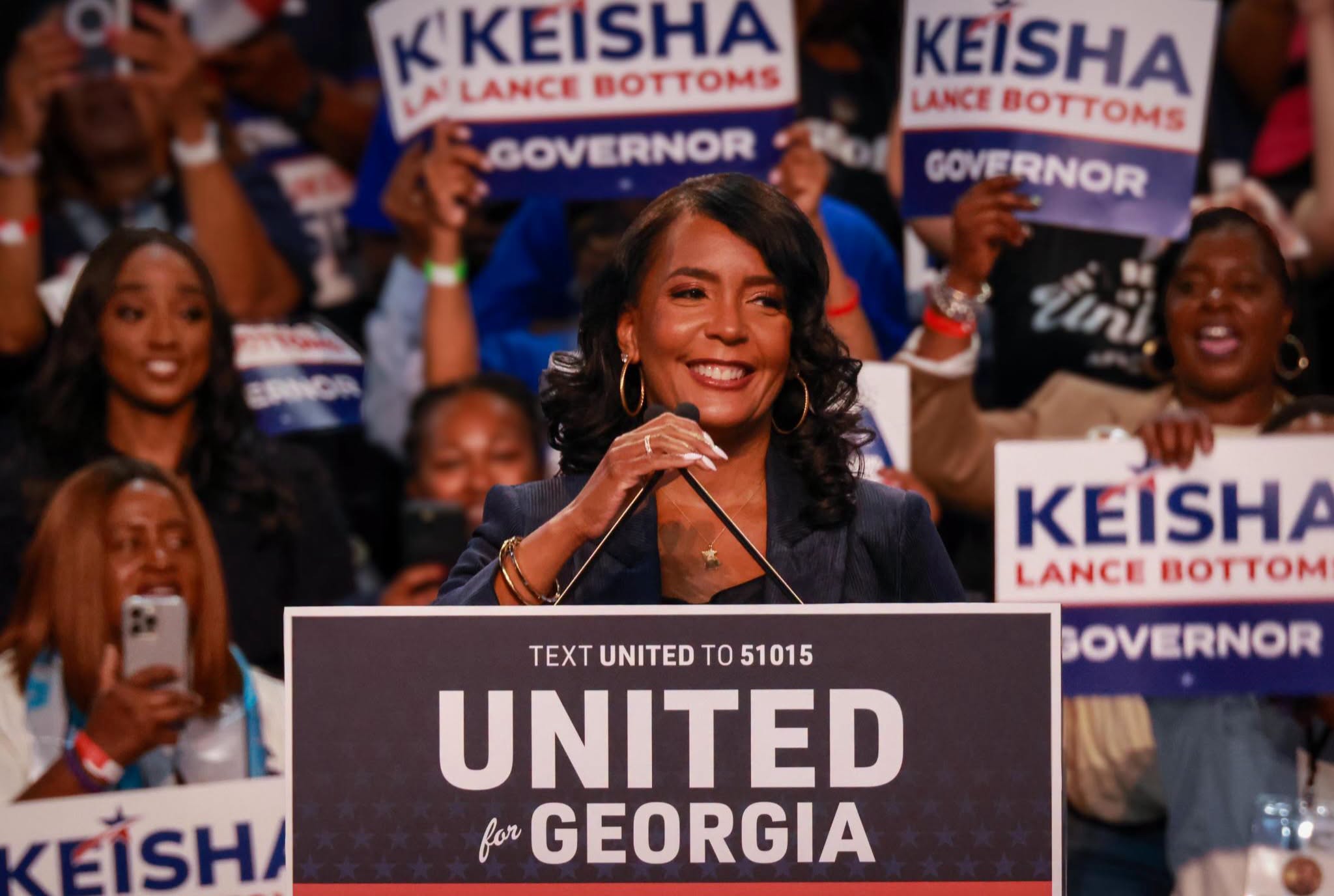
Georgia’s judicial elections this decade have been marred by a loophole in state law that allows public officials to cancel elections even when candidates are already running—potentially even after the election has been held. The loophole has been wielded by Republican Governor Brian Kemp, though the power to appoint judges will now be in the hands of Keisha Lance Bottoms, the first Democrat to win a governor’s race since 1998.
Sara Tindall Ghazal, a Democratic member of the Georgia Board of Elections who told Bolts last year that lawmakers should close the loophole, said this week that she still wants to see that reform. She also called on lawmakers to consider another change: moving the timing of judicial elections from the spring to the higher-turnout November elections “so that more voters weigh in on these important seats.”
Idaho
There was zero suspense in Idaho: No one challenged Justices Cynthia Meyer and Gregory Moeller, so they both won a new term unopposed. All Idaho supreme court races have been uncontested since 2018.
Kansas
A landmark decision by the Kansas Supreme Court in 2019 protected abortion access in the state. It also intensified conservative efforts to change the direction of the court. But their aspirations suffered a series of major setbacks this year.
First, Kansans in August rejected a GOP-sponsored ballot measure that would have changed how justices are selected for the court and likely pushed it to the right; that referendum was seen as a proxy for the debate over abortion rights.
Then, Kansans voted last week to retain Justices Eric Rosen and Larkin Walsh. Rosen has been on the court since 2005 and he joined the majority in upholding abortion access in 2019. He beat back an intense effort to oust him over his votes to overturn two death sentences in 2014, but conservatives did not mount such an organized campaign this year.
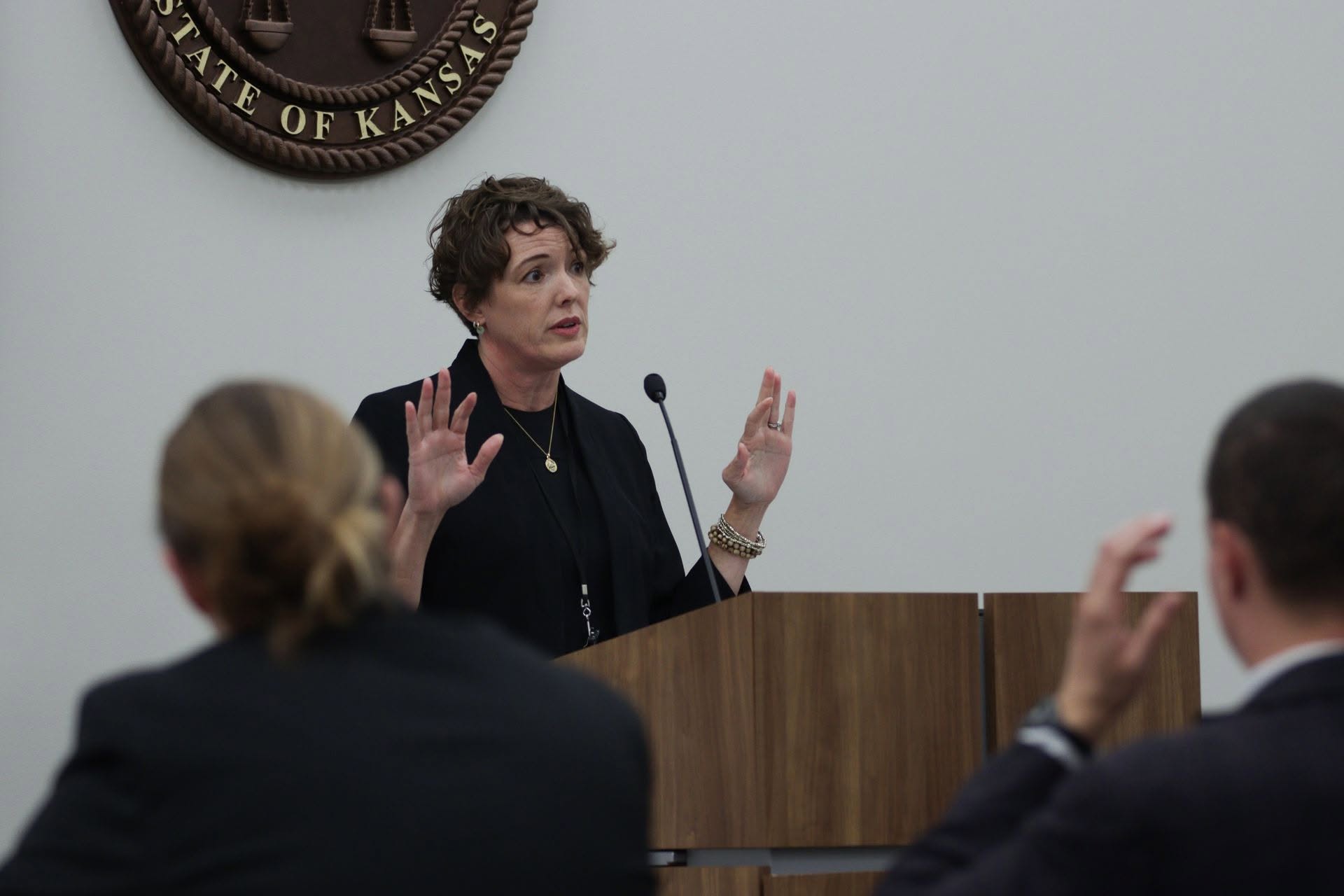
Walsh, meanwhile, is a recent appointee of Governor Laura Kelly, a Democrat. She has yet to participate in many major decisions, but her vote to strike down restrictions on mail voting this summer hinted that a new majority more amenable to voting rights cases may be emerging, as Bolts previously reported.
Earlier this decade, the Kansas Supreme Court sided with Republicans in two 4-3 decisions that upheld a GOP gerrymander and rejected protections for a fundamental right to vote. Rosen dissented from both rulings. “It staggers my imagination to conclude Kansas citizens have no fundamental right to vote under their state constitution,” he wrote, and it’s possible that Rosen now has enough allies to find himself in the majority on this issue should the court revisit it.
Kentucky
Debra Hembree Lambert, a conservative justice who represents the state’s deeply-Republican third judicial district, secured a new term without facing any opponent.
Louisiana
Two justices, Republicans Cade Cole and Jay McCallum, ran for reelection entirely unopposed this year. In a third contest in Louisiana’s first judicial district, which covers the staunchly conservative St. Tammany Parish, voters this year chose a replacement to William Crain, who was nominated to the federal bench by Trump last year. William Burris won the GOP’s primary for that open seat in May with support from conservative business groups, and he did not face an opponent in last week’s general election.
Maryland
Justice Peter Killough, who was appointed to the court by Democratic Governor Wes Moore in 2024, triumphed in his first retention election with roughly 86 percent of the vote. The state’s retention elections tend to produce particularly large margins for incumbents even by national standards.
Michigan
Democrats defended their towering 6-1 majority on this court. Despite Michigan’s reputation as a swing state, Democratic incumbents Megan Cavanagh and Noah Hood easily prevailed over Michael Warren and Casandra Morse-Bills, two Republican lower court judges.
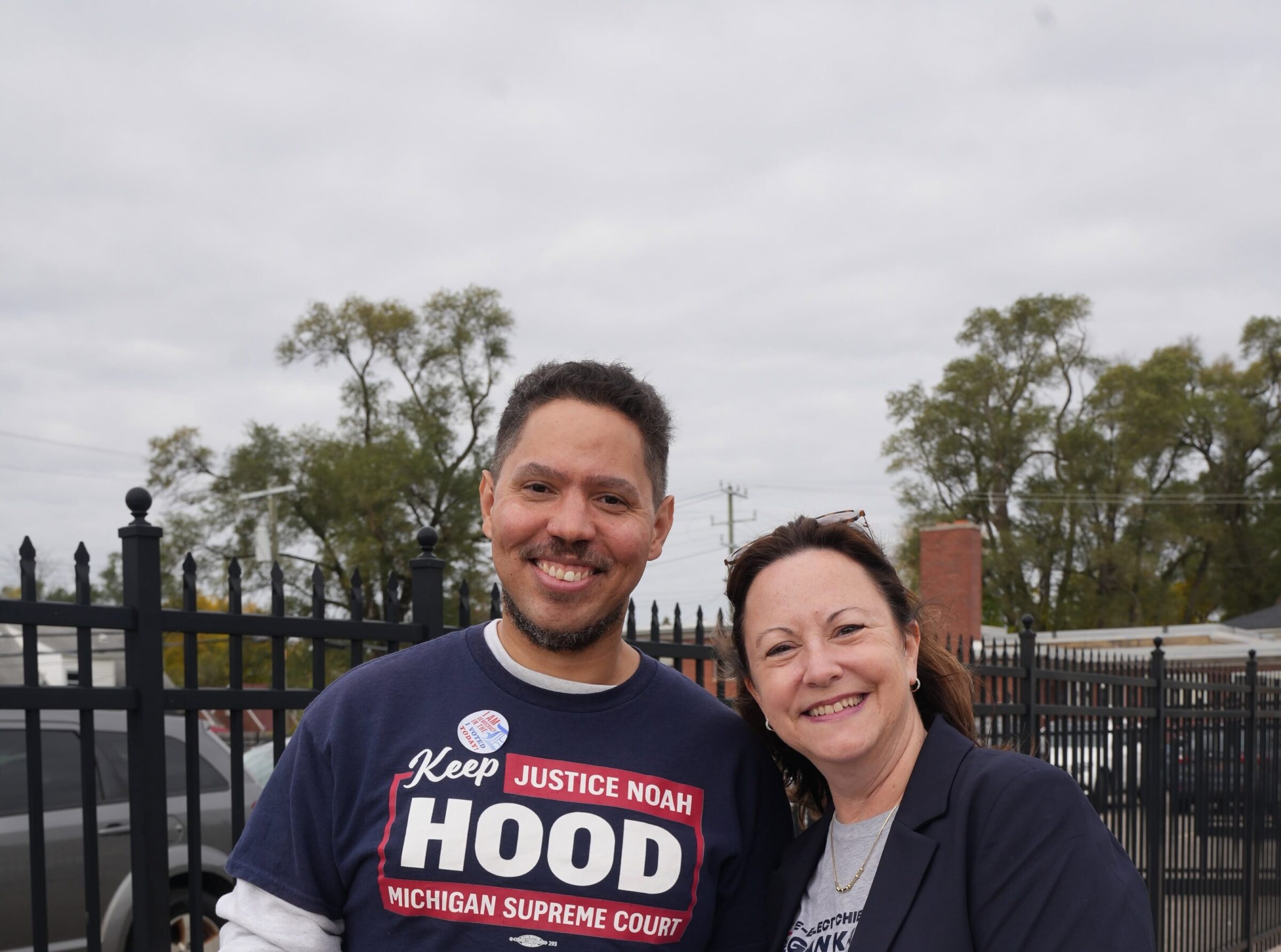
The results mean that Republicans cannot flip the court until at least 2030, barring an unforeseen retirement. They needed to flip at least one of the two seats on this fall’s ballot to have a shot at gaining the majority in two years, when two more Democratic justices, Kyra Harris Bolden and Elizabeth Welch, are up for reelection.
The Michigan Supreme Court has in recent years chipped away at punitive criminal statutes, including in a series of major decisions that have restricted sentences of life without parole for young adults. Hood, who only joined the court in the spring of 2025, voted with Cavanagh and other Democrats in such a case for the first time this summer. The court also decided unanimously this fall that thousands of people had to be removed from the state’s sex offender registry because they were being subjected to rules that did not exist at the time of their conviction.
Minnesota
Two justices, Sarah Hennesy and Paul Thissen, faced no challengers in November and so coasted to reelection. Hennesy and Thissen were both appointed by Democratic governors, but they have a second—and more unusual—trait in common; they’re both former public defenders. Progressives nationwide have pushed for more public defenders on state courts, and while they often fall short, there are currently three former public defenders on Minnesota’s bench.
Missouri
When the Missouri Supreme Court unanimously voted to block a Republican congressional gerrymander in September and threatened to hold the secretary of state in contempt for nevertheless trying to use the map, some conservatives vowed revenge. But Paul Wilson, the only justice on the ballot this fall, easily prevailed in an up-or-down retention vote with roughly 63 percent of the vote.
Wilson, a 2012 appointee of Democratic Governor Jay Nixon, has bucked Republican state officials in other cases—for instance, he wrote a 2024 ruling that struck down a constitutional amendment requiring Kansas City to spend more money on police. Last year, he was one of two dissenting justices when the court denied a transgender student’s claims of discrimination.
Montana
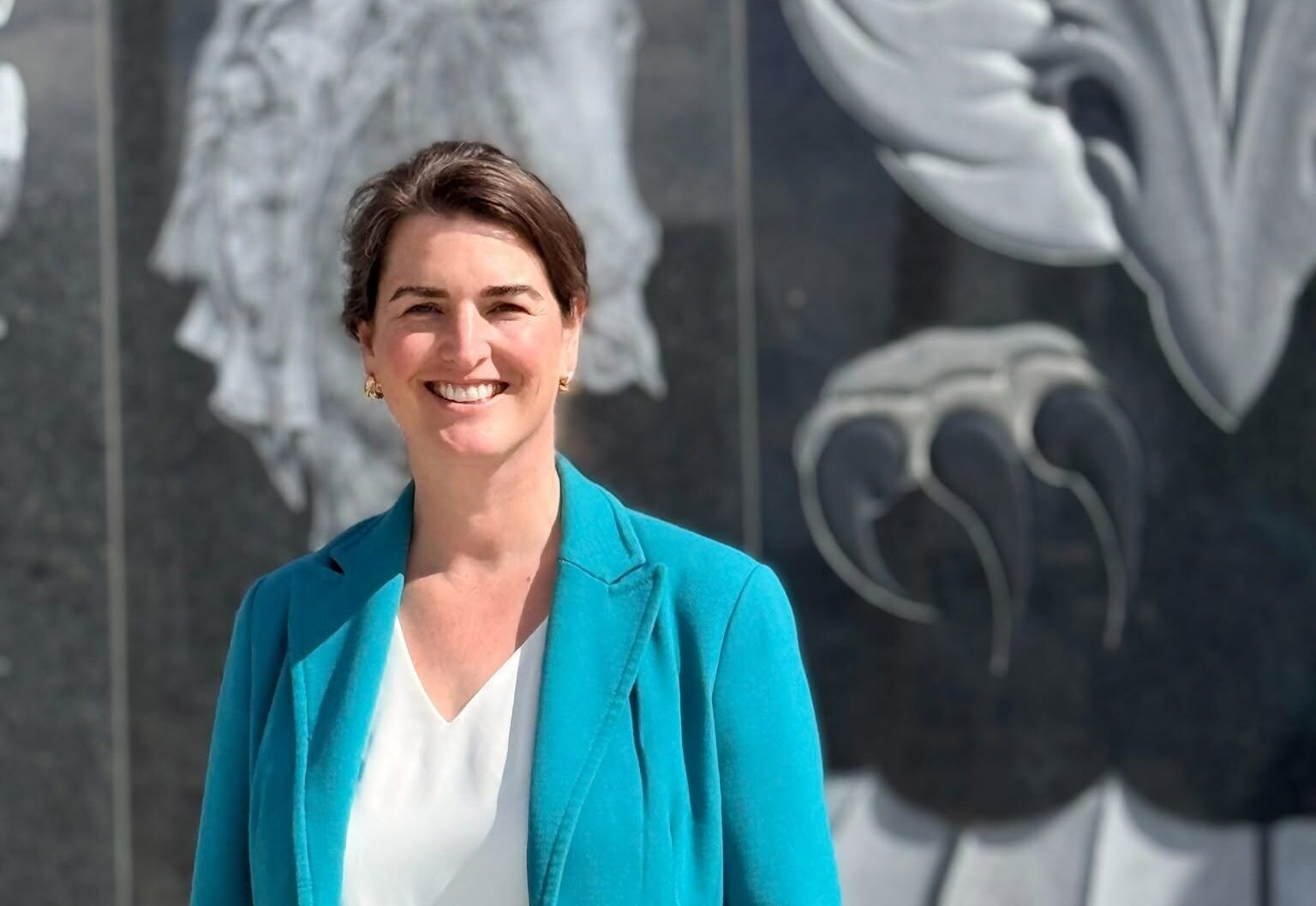
Montana hosted the only race this year that could have outright flipped the ideological majority on any state’s supreme court. But no such shift occurred, as Amy Eddy, a Flathead County judge who was backed by a slew of liberal groups, trounced Dan Wilson, another Flathead County judge, who touted his “conservative judicial philosophy.”
Eddy’s win means that the seven-member nonpartisan court will continue to feature four justices who have won with liberal backing. The court has been a thorn in the side of Republicans in Montana, striking down limits on voter access, abortion, and transgender rights.
She will replace outgoing Justice Beth Baker, who herself was elected with liberal backing and has voted against conservative reforms in major cases, though she has at times been a swing vote on the court.
Keaton Sunchild, a voting rights advocate who leads government relations work for the group Western Native Voice, called Eddy’s win a “relief.” Western Native Voice led a coalition of tribes that sued after the state legislature made various elections changes, including ending same-day voter registration; the state supreme court in 2024 sided with this coalition, preventing the Republican reforms from going into effect.
“We never want to have to rest on the fact that something will get sorted out in the courts. It’s still our very last resort,” he said. “But it is reassuring to know that a lot of the work we’re doing and will continue to do has been upheld multiple times with this court.”
Also on the ballot Tuesday in Montana was a proposed amendment codifying in the state constitution that judicial elections remain nonpartisan, which passed with more than two-thirds support from voters. The amendment, which can now only be reversed through another popular vote, thwarts any future actions from GOP lawmakers to make court elections partisan.
Nevada
A blue tsunami swept Democrats into all the statewide offices for which they ran, and also delivered them the county commission in Washoe County, home to Reno, for the first time ever. But there’ll be no change on the Nevada Supreme Court as two conservative justices, Doug Herndon and Kris Pickering, were facing no challengers and coasted to reelection unbothered.
New Mexico
Two justices, Shannon Bacon and David Thompson, easily secured retention, a result that keeps this all-Democratic court intact.
North Carolina
Justice Anita Earls, a Democrat and former voting rights attorney, easily prevailed last week over Sarah Stevens, a longtime Republican lawmaker. She won 59 to 41 percent, a startling margin given Republican hopes in this contest that mirrors the broader blue tsunami in the state.
As Bolts reported in September, the future of voting rights loomed large over the race. Earls is a former voting rights attorney who has voted to strike down GOP gerrymanders and voter restrictions, while Stevens has championed many of those Republican election laws.

Earls told Bolts that she encountered voters that were worried about whether democracy in North Carolina is “going to work the way we believe it should in America.” She said that when she first ran for a seat on the court in 2018, “There wasn’t the same fear that our democratic processes have been hijacked and interrupted.”
Earls’ win doesn’t change the GOP’s comfortable, 5-2 majority on the court. But it does preserve Democrats’ path to flipping the court’s majority in 2028, when three Republican-held seats will be on the ballot; Democrats would need to win two of those three seats. The last time the court flipped after the 2022 midterms, the new GOP majority quickly overturned recent election law cases—including blessing a Republican gerrymander that it had just struck down.
North Dakota
Justice Jerod Tufte secured reelection over Ariston Johnson, a local attorney, by a wide margin, 65 to 35 percent. Tufte voted to uphold the state’s abortion ban last year in a case that would have gone the other way had Tufte voted differently; Johnson, who leaned heavily on a promise to be nonpartisan and not court party endorsements, but who still signaled his alignment with conservative jurists, does not appear to have made the abortion case into a campaign issue.
A second justice, Douglas Bahr, was unopposed and coasted to securing his first full term.
Ohio
While Democrats had been on the verge of disappearing from the Ohio Supreme Court heading into the midterms, a strong night for their party allowed them to keep one seat and flip another.
Justice Jennifer Brunner, currently the lone Democrat on the court, has been left writing lonely dissents in high-profile decisions, such as a case last year that held that the family of a security guard who suffocated from nitrogen gas at his workplace could not sue for damages. Just last month, Brunner was the only justice to say that a woman who resisted an involuntary mental health commitment cannot be charged with obstructing police business. The ruling “turns having a mental illness into a crime,” Brunner wrote.
Brunner secured a third term last week over Republican Colleen O’Donnell, a former local judge in Franklin County; she won by three percentage points. And she will be joined on the bench by fellow Democrat Marilyn Zayas, a lower court judge who ousted Republican Justice Daniel Hawkins by two points.
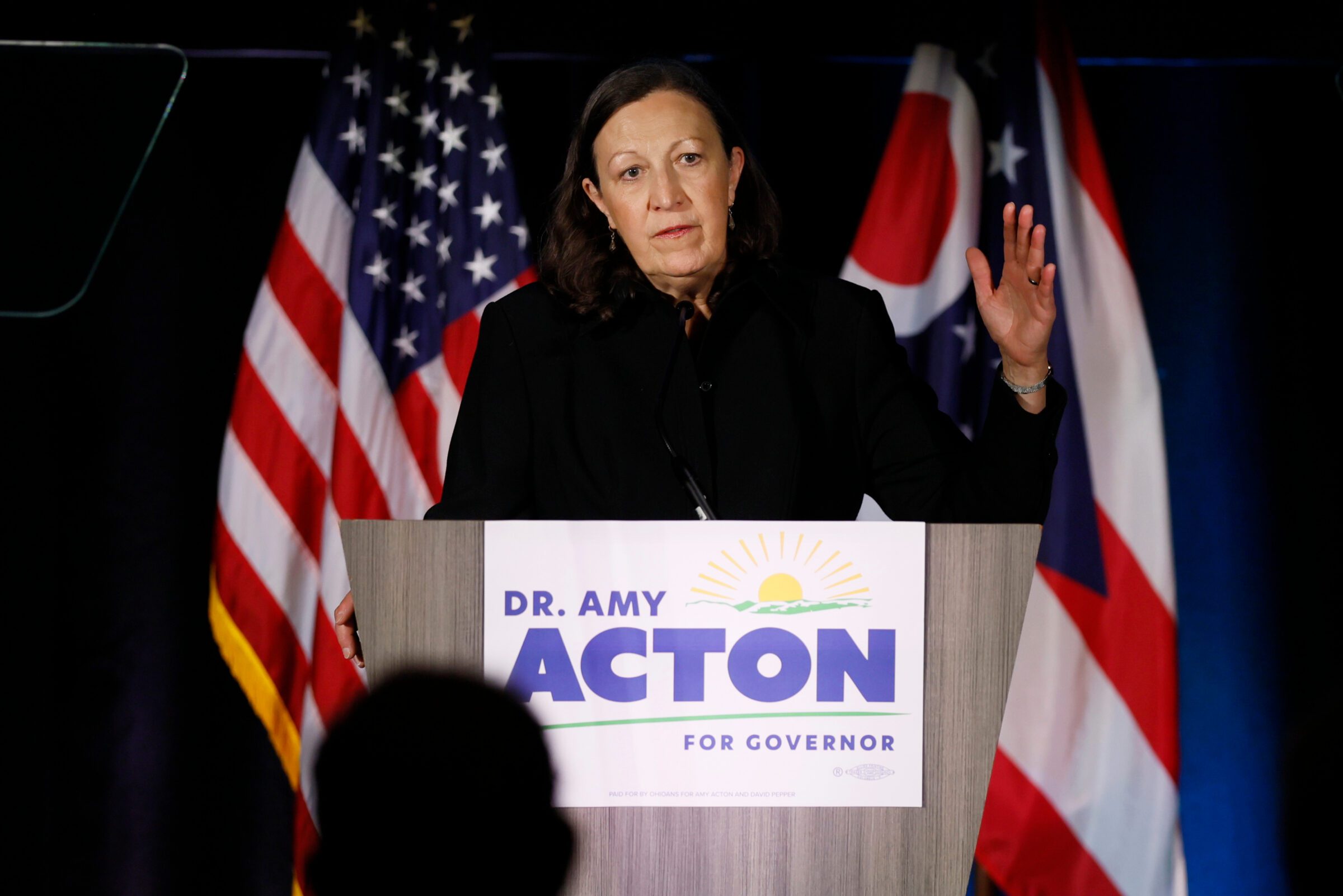
Republicans still retain a comfortable 5-2 majority, but the results mean that Democrats have a shot at flipping the court in two years, when multiple GOP-held seats will be on the ballot, and one Republican incumbent is barred from seeking reelection due to his age.
Oklahoma
Conservatives in 2024 managed to defeat a sitting justice in a retention vote for the first time in Oklahoma’s history. They were upset by decisions made by Yvonne Kauger, who voted with the court’s majority in 2023 to uphold a narrow right for women to access abortion if their life is in danger; two other justices who joined Kauger in that decision narrowly survived.
This year, some conservatives targeted Justice Richard Darby, an appointee of former Republican Governor Mary Fallin. Darby dissented in the 2023 abortion case but he angered the right in 2020 when he sided with the majority in a decision that removed some restrictions on mail voting during the COVID-19 pandemic. The conservative group Oklahoma Council of Public Affairs (OCPA), which aired ads to oust Kauger and her two colleagues in 2024, did not mobilize against Darby in the same way this year, according to the Oklahoma City Journal, but it released a judicial scorecard to showcase that they were not satisfied with him.
Darby prevailed 53 to 47 percent last week, a narrow margin by the usual standards of retention contests, while the other three justices on the ballot with a much more favorable score from the OCPA—Travis Jett, John Kane, and Dana Kuehn—prevailed with 57 or 58 percent of the vote. Rob Hudson, a judge on the Oklahoma Court of Criminal Appeals, the state’s high court for criminal matters, also secured reelection with 57 percent of the vote.
On Tuesday, one week after he survived retention, Darby joined a 5-4 ruling that struck down a law passed by state Republicans last year to restrict ballot initiatives.
Conservatives have also tried to affect Oklahoma courts by changing how judges make it on the bench in the first place. Currently, to fill a vacancy, an independent commission forwards a short list to the governor; the person selected by the governor later faces a retention vote. Republicans placed a measure on November’s ballot that would have given them more control over the nominating commission, but voters overwhelmingly rejected it.
Oregon
Justice Chris Garrett, who joined the court in 2019 after being appointed by former Democratic Governor Kate Brown, did not face any opponent and coasted to a second term.
Tennessee
Two justices easily retained their seats in up-or-down votes, securing more than 70 percent of the vote, in elections that were held in August rather than in November. Justice Mary Wagner, who used to work for the Tennessee Republican Party, joined the court in 2024 via Republican Governor Bill Lee’s nomination. Justice Kyle Hixson, who highlighted his alignment with conservative jurists during his selection process, was named to the court earlier this year.
Texas
Democrats had not won any statewide election in Texas in 32 years. That streak ended in spectacular fashion on Tuesday when the party swept all statewide races on the ballot and flipped seven seats across the state’s two high courts.
Democrats ousted four incumbent Republicans from the Texas Supreme Court, which has final say in civil cases, narrowing the GOP majority to 5-4.
They also flipped three GOP-held seats on the Texas Court of Criminal Appeals, which has the final say on criminal cases, narrowing the GOP majority to 6-3.
Maggie Ellis’s victory over Chief Justice Jimmy Blacklock makes her the first LGBTQ+ candidate to win any statewide election in Texas, according to KXAN. She said last week that she wants to end a rule recently put in place by the Texas Supreme Court that allows local judges to decline to officiate same-sex weddings when they say it conflicts with their religious beliefs.
Ellis will be joined on the supreme court by fellow Democrats Chari Kelly, Kristen Hawkins, and Gisela Triana. The new Democratic judges on the court of criminal appeals are Okey Anyiam, Audra Riley, and Holly Taylor.
Democrats are now in a position to flip both of Texas’ high courts in 2028, when the GOP must defend three seats on each.
But the results could also affect cases before then if the incoming Democrats band together and coalesce with one or two of the Republican judges who remain on the court, injecting some new uncertainty into legal proceedings that conservatives have gotten used to dominating.
The Texas Supreme Court often issued unanimous decisions, such as when it upheld the state’s strict ban on abortion—but dissenting voices have also emerged in other major cases.
For instance, when the court upheld a GOP law that restricted gender-affirming care for minors in 2024, the vote was 8 to 1, with a lone dissent from Justice Debra Lehrmann. Lehrmann also dissented from a ruling that tossed out the Texas State Bar’s effort to discipline a top attorney working under Attorney General Ken Paxton for trying to overturn the 2020 presidential election.
Lehrmann’s seat was not up this fall, so she’s now set to sit alongside the four Democrats.
The Texas Court of Criminal Appeals has similar divides. In September, when the court issued a deeply divided ruling that rejected a lower court’s finding that death row prisoner Melissa Lucio was innocent, four of nine judges dissented. Only one of them is leaving the court (David Newell, who did not seek reelection); Lee Finley, David Schenck, and Scott Walker remain.
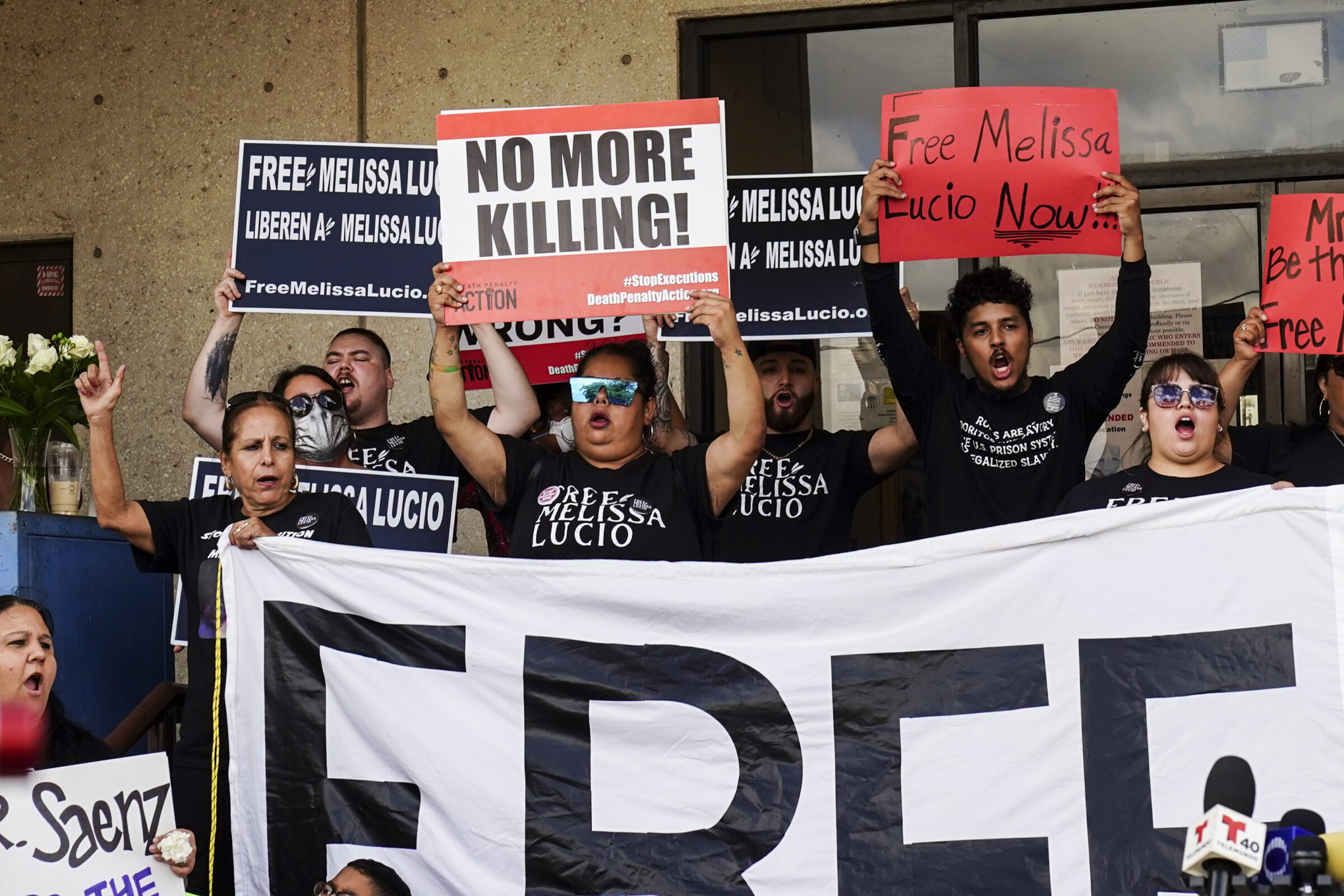
In fact, Kevin Yeary, a judge who was just ousted from this court last week, has a history of consistently opposing fully exonerating prisoners. Texas Monthly reports that he insisted on an exacting legal standards that few cases can meet, and frequently pushed back against colleagues who wanted to recognize someone’s actual innocence. His departure could affect how the court approaches wrongful conviction cases, as could the election of Holly Taylor, a Democrat who worked in the wrongful conviction unit of the Travis County DA’s office.
Utah
It ended up being a sleepy Election Day on the supreme court front in Utah: Jill Pohlman, a justice who has drawn attacks from state Republicans for joining rulings limiting the legislature’s power to gerrymander and preventing a near-total abortion ban from taking effect, easily won her retention election.
The Utah GOP had signaled it would try to defeat her retention but court watchers say no significant campaign materialized; she was retained with about 77 percent of the vote, just three percentage points off the average retention margin for Utah justices since 1990.
But Pohlman’s victory is only a minor story for a court that has otherwise changed enormously this year, thanks largely to a GOP power grab. Frustrated with the state supreme court’s 2025 rejection of their gerrymandering attempt—among other rulings—Utah’s Republican legislature and governor teamed up in January to expand the court from five seats to seven.
They also launched an investigation into Justice Diana Hagen, whom they accused of an “inappropriate” relationship with an attorney in the gerrymandering case, which prompted her to resign in May. Critics of the legislature accused GOP officials of harassing Hagen out of her job.
The court expansion, plus Hagen’s resignation and the retirement in late August of Chief Justice Matthew Durrant, handed Governor Spencer Cox power to fill four seats with conservative jurists—enough for a new ideological majority on the now-seven-member court.
“I think part of the reason Republicans didn’t come harder against Jill Pohlman is because they didn’t need her anymore,” Teneille Brown, a University of Utah law professor and board president of the nonpartisan group Co-Equal Utah, told Bolts. “They’d done the math, and they’ll be able to vote as a bloc in a way that runs counter to our civil liberties, to democracy.”
The court’s GOP makeover, Brown and others note, could very well push future gerrymandering and abortion cases over the line.
“Do I have faith in the Supreme Court? No, I don’t,” Brown said, adding, of Cox’s appointees, “They are the fruits of the poisonous tree. They come from a process that is now political. It’s all about the outcome, and [Republicans] got what they wanted. They played the long game and it’s hurt the legitimacy of our courts.”
Washington
Washington’s was the only supreme court in the nation where most seats were on the ballot at once—five out of nine. Voters there rejected the potential for major upheaval by reelecting the three incumbents on the ballot—Colleen Melody, Theo Angelis, and Debra Stephens. Each had been nominated by a Democratic governor, and each faced a conservative opponent recommended by the state Republican Party.
Voters were also filling two open seats. For the Position 3 contest to replace Justice Racquel Montoya-Lewis, one of the court’s more left-leaning members, voters elected Jaime Michelle Hawk, a former ACLU advocate who now serves as a lower-court judge. Hawk prevailed over a conservative attorney who was recommended by the state GOP—another win for continuity.
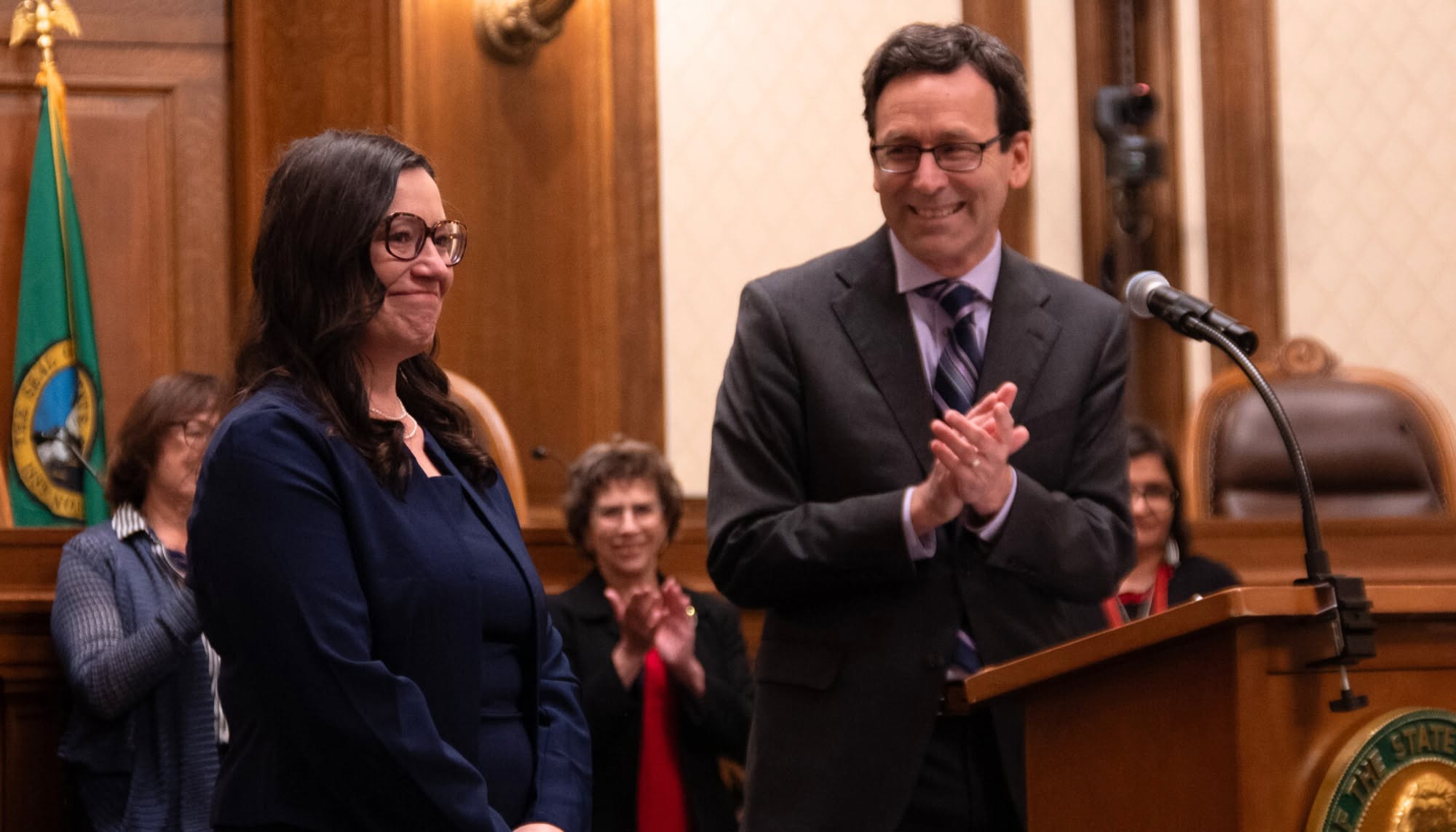
The final seat on the court remains too close to call. To replace Charles Johnson, a justice who has been on the court since 1991, voters chose between two lower-court judges, Ian Birk and Sean O’Donnell.
Birk and O’Donnell each drew endorsements from Democratic officials when they joined the race—Birk, for instance, had the support of former Governor Jay Inslee, and O’Donnell that of former Governor Christine Gregoire. But the state Republican Party’s decision to recommend a vote for O’Donnell this fall seems to have polarized the election along partisan lines. O’Donnell received heavy support in conservative counties last week and leads by two percentage points as of publication, with hundreds of thousands of ballots left to count.
West Virginia
This was a rare state in which voters ousted incumbents in supreme court races this year: Two justices who’d been appointed by Republican Governor Patrick Morrisey lost their bids for full terms on this court in nonpartisan May contests.
One of them, Gerald Titus, lost in a competitive, five-way race won by H.L. Kirkpatrick, who was previously a local judge for 30 years in West Virginia’s Raleigh County.
The other incumbent, Tom Ewing, lost in a blowout to longtime Republican state lawmaker Bill Flanigan, who has stood out for criticizing his own party’s attacks on LGBTQ+ people, including by speaking out about suicide among trans youth. Flanigan told Bolts earlier this year that he was moved when he joined neighbors in helping with recovery work after a deadly flood hit northern West Virginia.
“For the four weeks we were all doing this, nobody asked what someone’s sexuality was, or anything other than, ‘What do you need?’” he said. “We don’t care about that stuff. We want to be free and be left alone. We hear a lot of the far-left and far-right on the issues, but I think a lot of the state wants to see us do good work and represent them getting better jobs, having roads fixed, having clean water.”
Wisconsin
Liberals extended their majority on the Wisconsin Supreme Court to 5-2 last April, when Chris Taylor, an appeals court judge, easily prevailed in the contest to replace the retiring conservative Rebecca Bradley. Wisconsin has seen a series of extraordinarily expensive and contentious supreme court elections, but the actual results in the state’s last four contests, dating back to 2020, have not even been close. Taylor won by 20 percentage points last week.
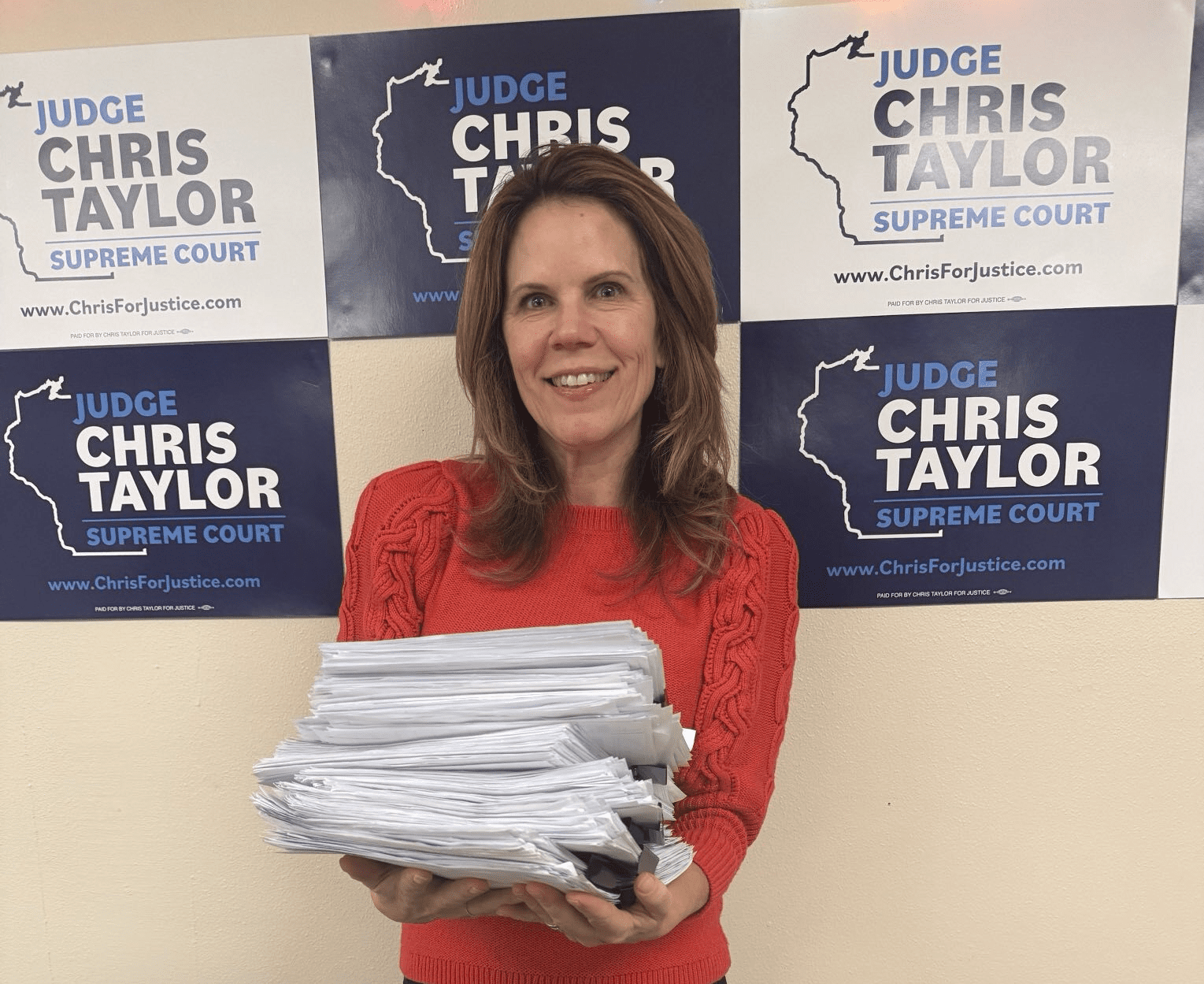
The result locked in liberal control through at least 2030. In fact, liberals have an opportunity to cushion their majority further in Wisconsin’s next judicial elections, which are next April. Justice Annette Ziegler, another conservative, is not seeking reelection. Both candidates who have so far announced lean liberal.
Wyoming
There was no backlash at the ballot box to the Wyoming Supreme Court’s landmark decision in January to strike down the state’s abortion ban. Voters retained both Justice Robert Jarosh, whose vote against the abortion ban was decisive, and Justice Bridget Hill, a newcomer who didn’t take part in that decision but who had defended the ban in court as attorney general. They both received above 75 percent of the vote.
Honorable mention: Mississippi
This state was supposed to elect supreme court justices this year under fairer districts after a federal court struck down the current map as unfair to Black voters.
But the U.S. Supreme Court’s decision in April to gut the Voting Rights Act effectively erased Black plaintiffs’ legal win and canceled the prospect of elections for the state supreme court, Bolts and The Marshall Project reported. Democrats fared well in other elections that took place in Mississippi last week, with a surge in Black turnout powering the party to a possible win in the U.S. Senate race.
Sign up and stay up-to-date
Get timely updates about pressing stories and elections.
Support us
Bolts is a non-profit newsroom that relies on donations, and it takes resources to produce this work. If you appreciate our value, become a monthly donor or make a contribution.