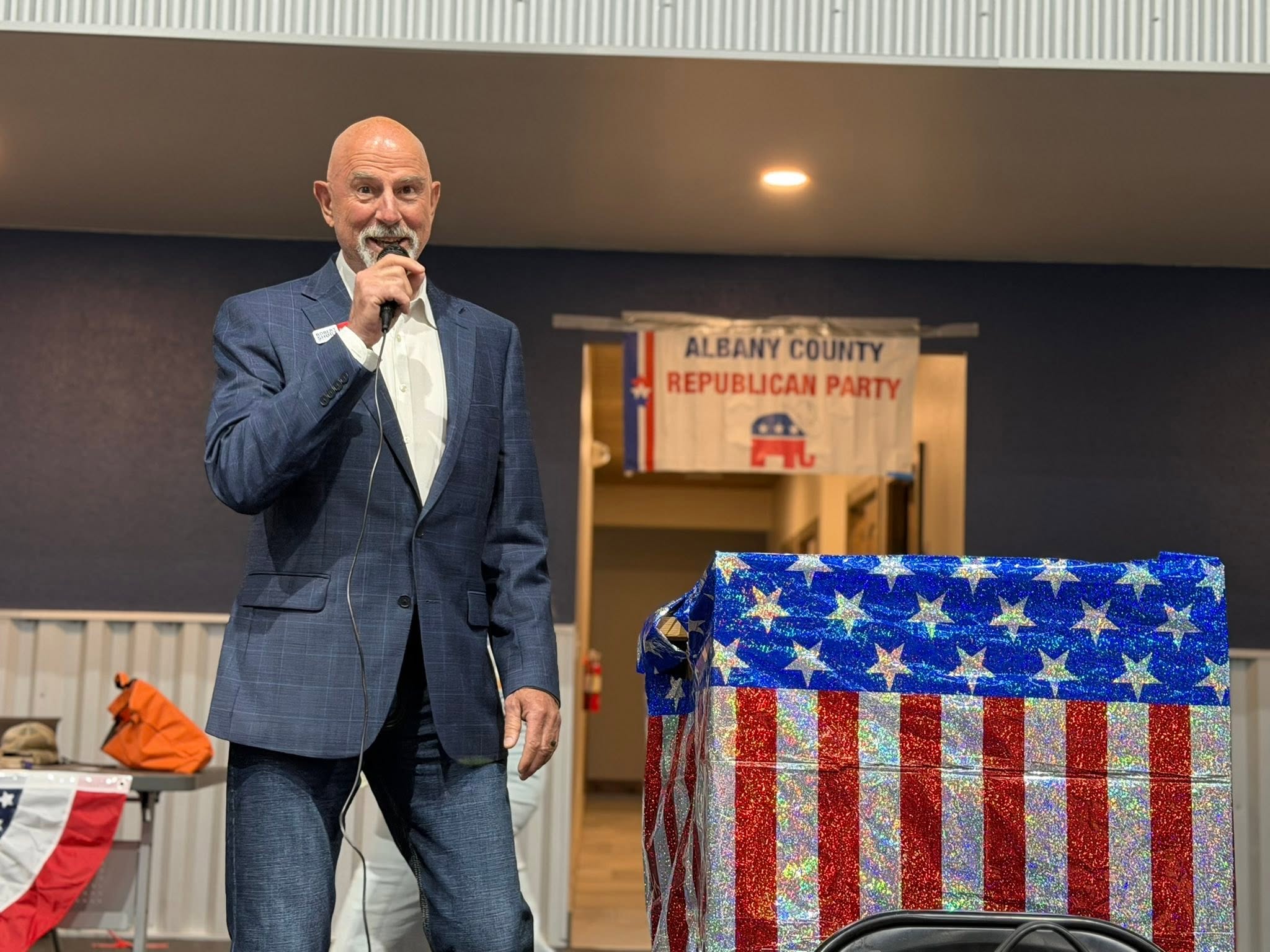

“The Jig Is Up”: Voters Resoundingly Reject Republicans Who Wanted to Run Elections
Democrats flipped secretary of state offices in Georgia, Indiana, and Ohio, defeated election deniers, and will run election administration in the vast majority of battleground states.
| November 6, 2026
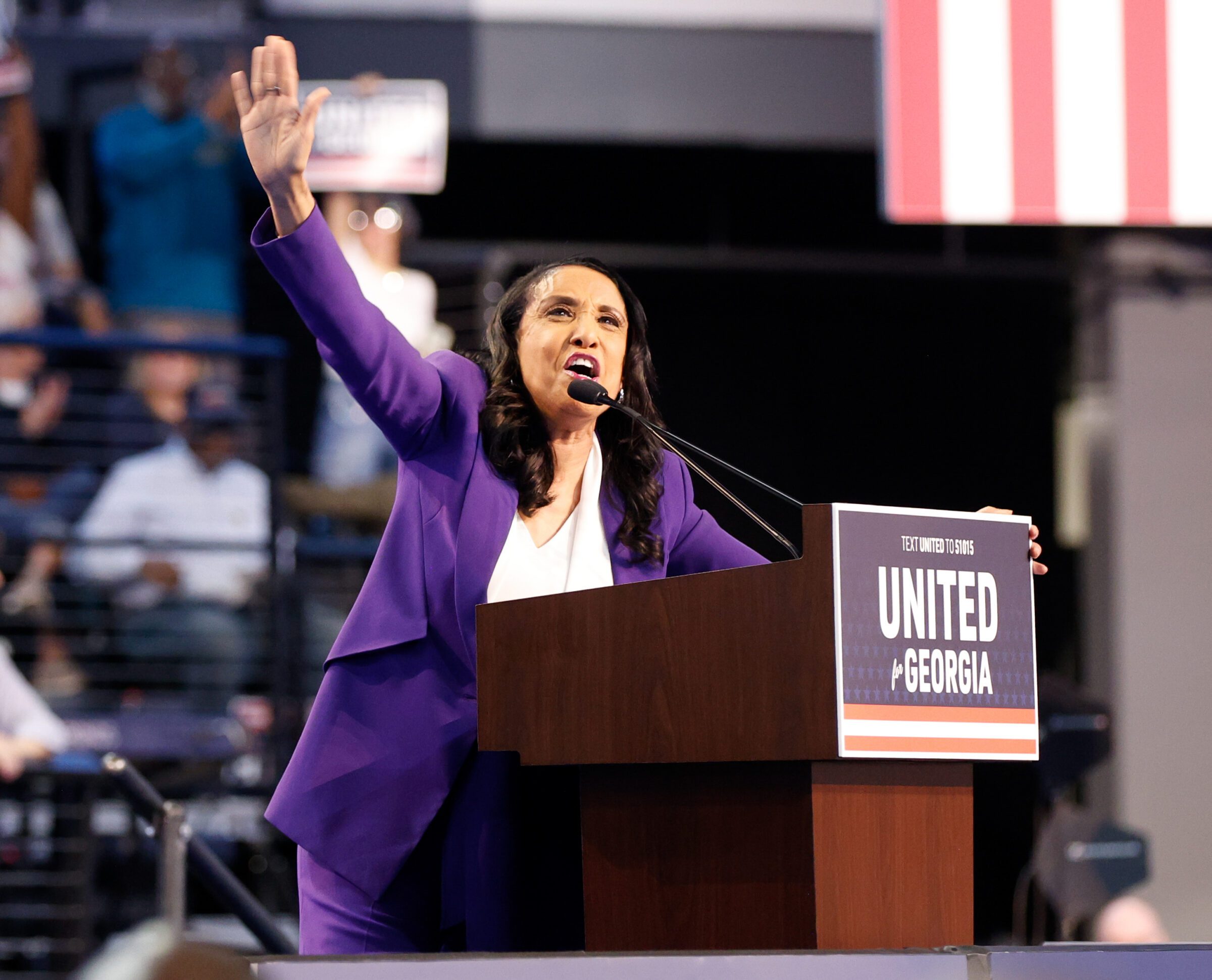
The most closely-watched elections office in the country flipped blue on Tuesday as Georgia, where Donald Trump famously pressured Republican Secretary of State Brad Raffensperger to “find” thousands of non-existent votes to overturn his 2020 defeat, overwhelmingly elected Democrat Penny Reynolds Brown to succeed Raffensperger.
She is the first Black woman to be elected secretary of state in Georgia, and will be the first Democrat to hold the job in 20 years. Her top priority, she told Bolts, is to make voting easier for people struggling to contend with the Georgia GOP’s restrictions on early voting, voter ID, and ballot dropboxes.
“It’s not in the Republican Party’s best interest that every eligible Georgian vote,” said Reynolds Brown, a former Fulton County (Atlanta) judge who won by 12 percentage points on Tuesday. She defeated Republican Tim Fleming, who has baselessly alleged that mail voting produces fraud, and backed voting restrictions as a state lawmaker.
“If you don’t have the policies that the people will vote for, then you try to do everything you can to eliminate the people from voting,” Reynolds Brown said.
Democrats seeking oversight of elections accomplished much more than the Georgia flip on Tuesday. Out of the states that elected a secretary of state this fall, Democrats swept the swing states, and then some. They won all blue states, plus every state that Trump had won by up to 12 percentage points just two years ago.
They also secured the power to choose who runs elections in many other states—such as Texas, or Pennsylvania—where the secretary of state is appointed.
Out of all 17 states with the tightest 2024 presidential margins, the only one where the GOP is on track to control election administration moving forward is North Carolina—and that’s only because of a Republican power-grab in late 2024 to seize control from the Democratic governor.
For more 2026 election results
Subscribe to the Bolts newsletter
This election saw Democrats flip secretary of state offices in Indiana and Ohio, in addition to Georgia. They held onto those offices in Arizona, Michigan, and Nevada. In each of these states, the victorious candidates defeated Republican competitors who at minimum support voting restrictions, and who in some places—Arizona and Nevada, in particular—are vocal election deniers.
Democrats also seized the state legislature in New Hampshire, where lawmakers select the secretary of state, though it remains unclear whether they will oust current Secretary David Scanlan, a Republican. They won a legislative trifecta in Wisconsin, where lawmakers and the governor appoint the members of a state election commission.
In Texas, Democratic Governor-elect Gina Hinojosa will inherit the power to appoint a secretary of state.
Democrats may yet flip the elections office in Alaska, too, depending on the outcome of the still-uncalled governor’s race; the lieutenant governor on the winning ticket in that state will oversee elections and appoint an elections director.
Republicans, meanwhile, flipped zero state elections offices, and had to fight just to hold onto some of their own territory. Florida’s governor gets to appoint the secretary of state, and Democrats lost the race for that seat by just 1 point. In Kansas, where Donald Trump won the 2024 election by 16 points, Republican Pat Proctor has a lead of roughly 9,000 votes as of Friday morning; the Associated Press has yet to call the election.
“I’ve been calling it a reckoning,” Ohio Secretary of State-elect Allison Russo, a Democrat who won by 3.5 percentage points on Tuesday, told Bolts following the election. She’ll replace Republican Frank LaRose, who won his 2022 contest by 20 points, and who has been a loyal soldier for years in Trump’s attacks on democracy, including by investigating unfounded claims of non-citizen voter fraud and supporting the Department of Justice’s hunt for state-level voter data.
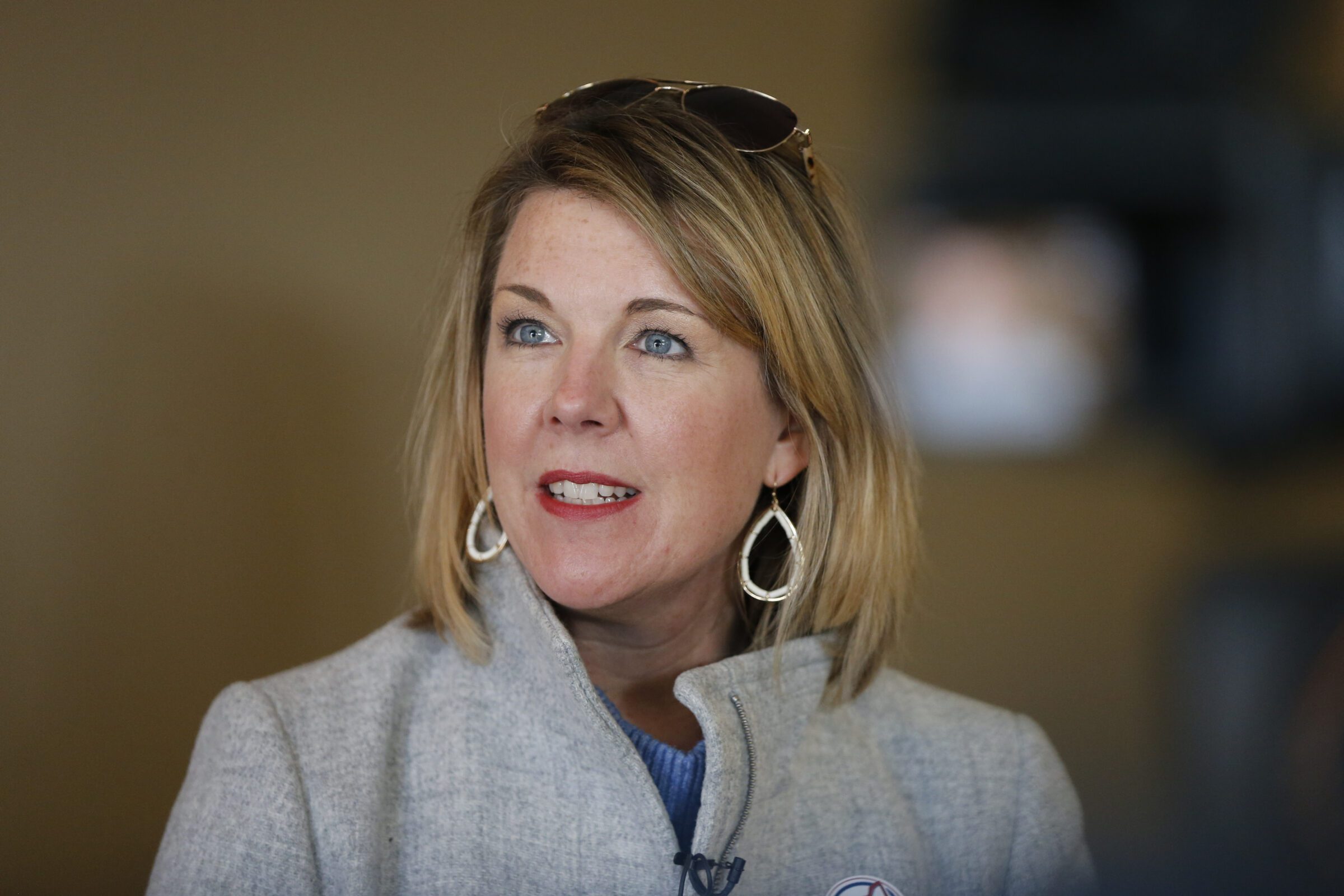
“The jig is up for a lot of fear tactics,” Russo said. “This whole narrative that we have massive non-citizen voting and fraud and it’s impacting our election results, and denying that the president lost the 2020 election—I think most people look at this and are sick and tired of it.”
Beau Bayh, the Secretary of State-elect in Indiana, who will be the first Democrat to hold the office in three decades, added in a call with Bolts on Thursday, “Americans, and certainly Hoosiers, have an inherent sense of right and wrong. They’ve clearly grown tired of politicians who want to reject election results when they don’t like them.”
Secretaries of state generally cannot unilaterally command major changes to election law and procedure, since those powers largely rest with state legislatures. This means, for instance, that Russo cannot undo Ohio’s voter ID law, which she opposes and is among the strictest in the country, and that Reynolds Brown cannot order Georgia to expand its window of early voting.
But Tuesday’s elections should make state-level elections reform much more feasible for these two and for other officials seeking to make voting easier, thanks to massive statehouse gains for Democrats.
Notably, for the first time in 60 years, Democrats will have trifecta control of Arizona. They’ll have a trifecta in Pennsylvania for the first time in 33 years, and in Wisconsin, for the first time in 16 years. Anticipating these outcomes, voting rights advocates have been plotting various election reforms, and each of these states is very likely to consider at least some fresh legislation in this area next year. Supportive testimony from aligned secretaries of state can aid in passing such reforms.
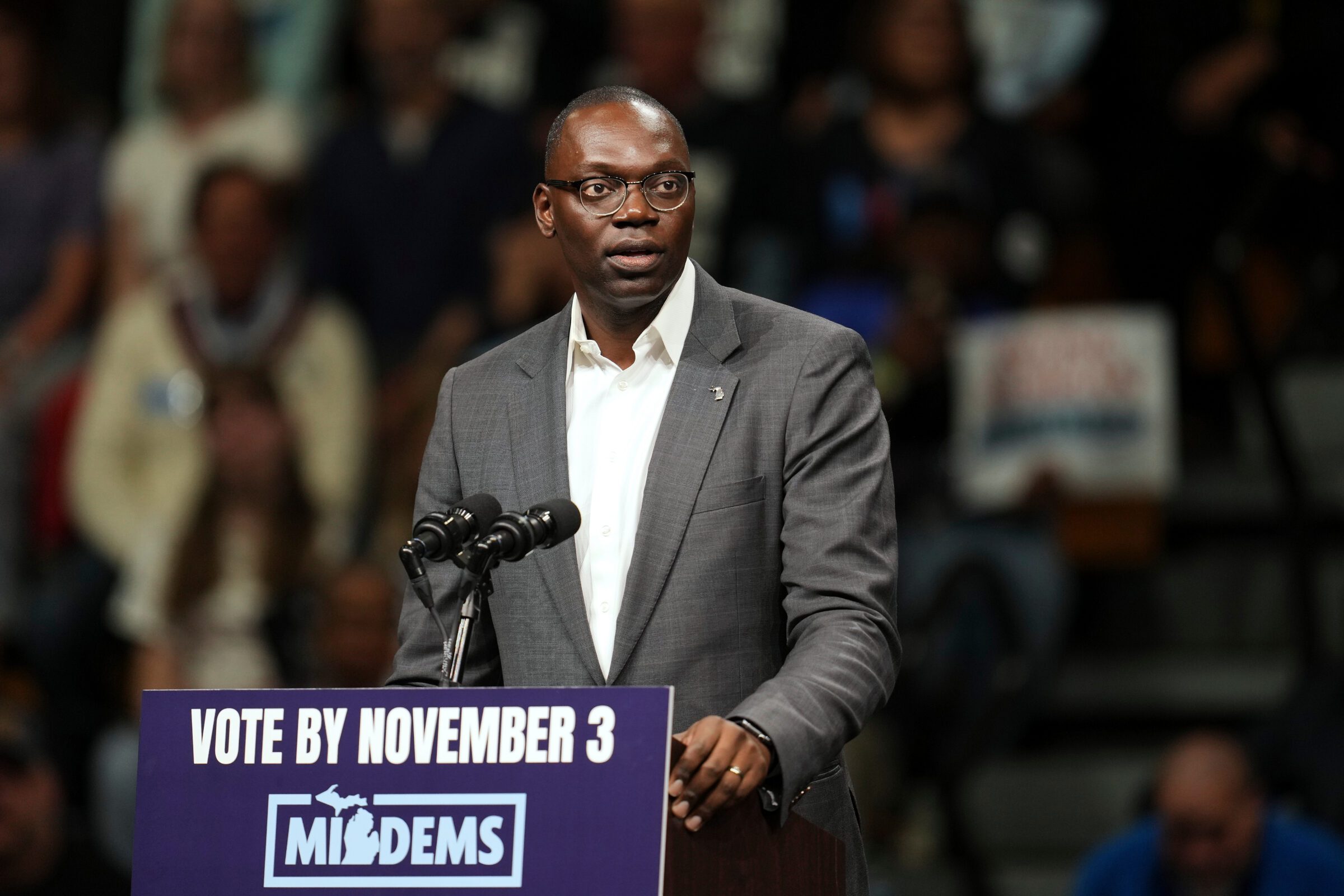
Democrats also appear to have made gains in the Alaska statehouse, where both chambers are governed by unusual bipartisan coalitions. Lawmakers there are already plotting voting reforms; Democratic State Representative Andrew Gray told Bolts on Thursday that he expects an elections bill next session that would, among other things, create a process for Alaska voters to resolve errors on mail ballots, such as a missing signature on a ballot sleeve, to avoid having those ballots tossed. No such process currently exists in that state.
Gray also said that he plans to introduce a constitutional amendment next session to grant voting rights to non-citizen U.S. nationals from American Samoa, many thousands of whom live in Alaska with no voting rights. Democratic gains in the statehouse could boost that proposal.
Reynolds Brown said she hopes Georgia, where Democrats flipped the state House and nearly flipped the state Senate, can unwind some of the GOP elections policies enacted of late. Republicans in that state have, since 2020, passed a slew of voting restrictions—stricter voter ID laws, limits on ballot dropboxes, tighter deadlines for people requesting to vote by mail, and more—that Reynolds Brown pledges to combat. She said she will lobby for a fresh voting rights bill that includes expanded early voting.
But she also emphasized that she intends to use the softer powers of her office to help people vote. In that respect, secretaries of state, who have large staffs and budgets, can make a huge difference. For instance, in Colorado, Democratic Secretary of State-elect Amanda Gonzalez told Bolts she intends to increase the office’s outreach to incarcerated voters, who throughout the country are generally ignored by elections officials when they’re not outright blocked from voting.
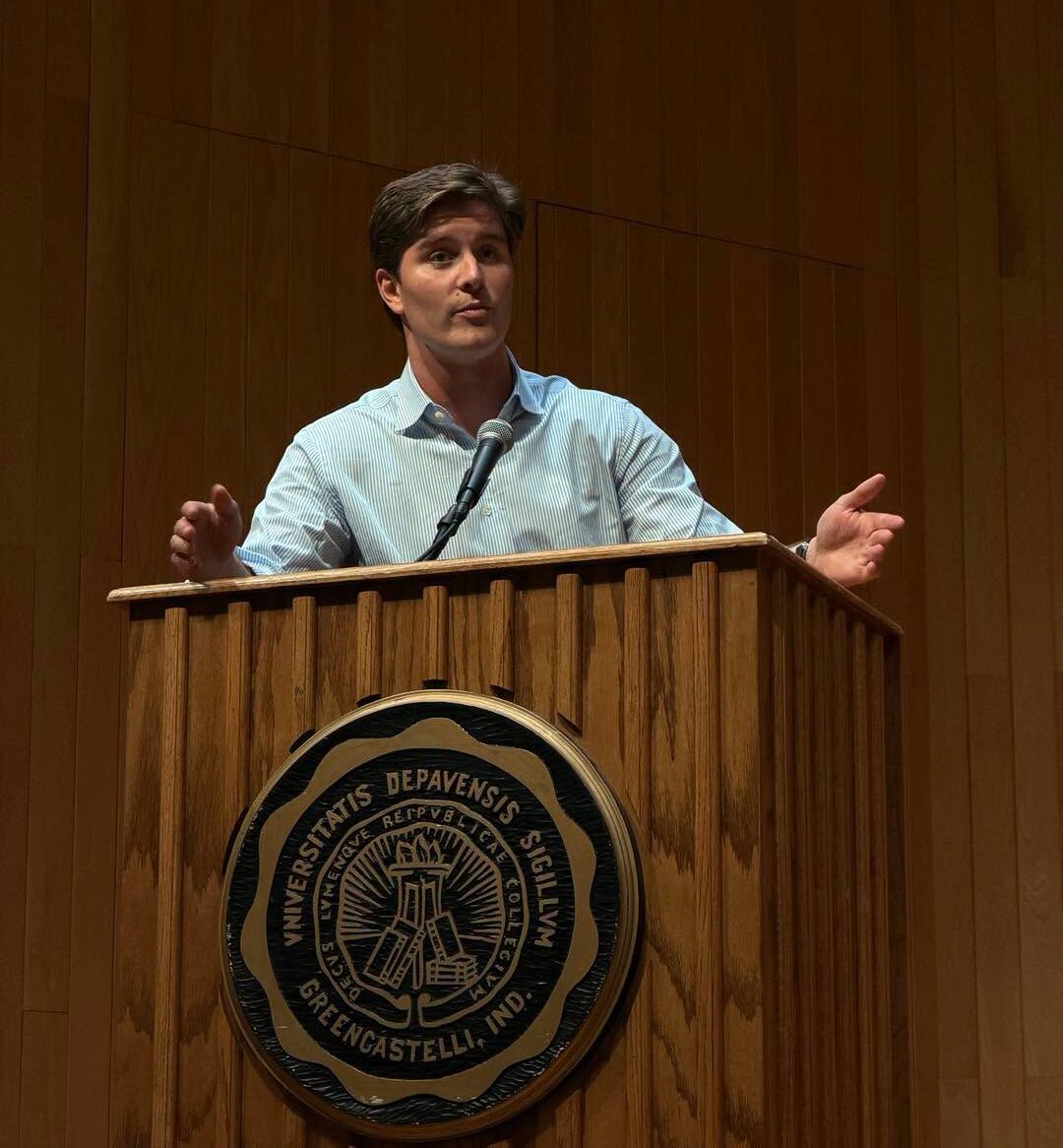
In Indiana, Bayh told Bolts he will use his office’s soft powers to address the fact that Indiana consistently has some of the country’s lowest turnout rates. That initiative, he said, will include allocating staff to college campuses, where student voters have faced barriers thanks to GOP-backed voter ID rules.
Bayh also said he’d dispatch staff to polling places to confirm that disabled voters are accommodated; he said he was disturbed to hear on the campaign trail from disabled people who struggled to vote.
In Ohio, Russo spoke of older voters who she has seen struggling to satisfy the state’s strict voter ID rules.
“We want to make sure that every eligible Ohioan, no matter where they live or what their circumstances are, has convenient access to their right to vote—period,” Russo said. “When we have people who are eligible to vote, we should be doing everything we can to make sure that they can carry out their right to vote, and not create additional barriers.”
Sign up and stay up-to-date
Get timely updates about pressing stories and elections.
Support us
Bolts is a non-profit newsroom that relies on donations, and it takes resources to produce this work. If you appreciate our value, become a monthly donor or make a contribution.
Related Posts
Voters Are Siding with Direct Democracy in Seven States