
These 35 States Are Deciding Who’ll Run Their Elections
The midterms will usher in a new cast of characters to oversee the next presidential race. They’ll decide how to answer Trump’s orders and how to shape mail voting and registration.
| October 13, 2026

Upon retaking the White House, Donald Trump demanded that states share sensitive voter data with federal agencies—a key step in his broader project of controlling and manipulating election administration.
Ohio Secretary of State Frank LaRose complied, saying he “absolutely wants more collaboration” with the feds. Iowa Secretary of State Paul Pate, a Republican like LaRose, complied as well, saying he’d been “persuaded” that the Trump administration would take good care of the data. Another 14 states, all of which have Republicans in charge of elections, joined in compliance.
However, many other secretaries rebuffed Trump’s demands, like Minnesota’s Steve Simon and Nevada’s Cisco Aguilar, both Democrats. The federal government sued those states, but courts have largely upheld their refusal to comply.
These states, and many others, are choosing a new elections chief in November. Trump’s bid to control voting information and procedures looms over all of them.
In Iowa, for instance, Democrat Ryan Peterman, who is running against Pate, vows to reject data-sharing with the White House. “I will treat Iowans’ information as what it is: theirs,” he promises. In Ohio, Democratic secretary of state candidate Allison Russo promises the same: “Protecting this data is essential,” she says.
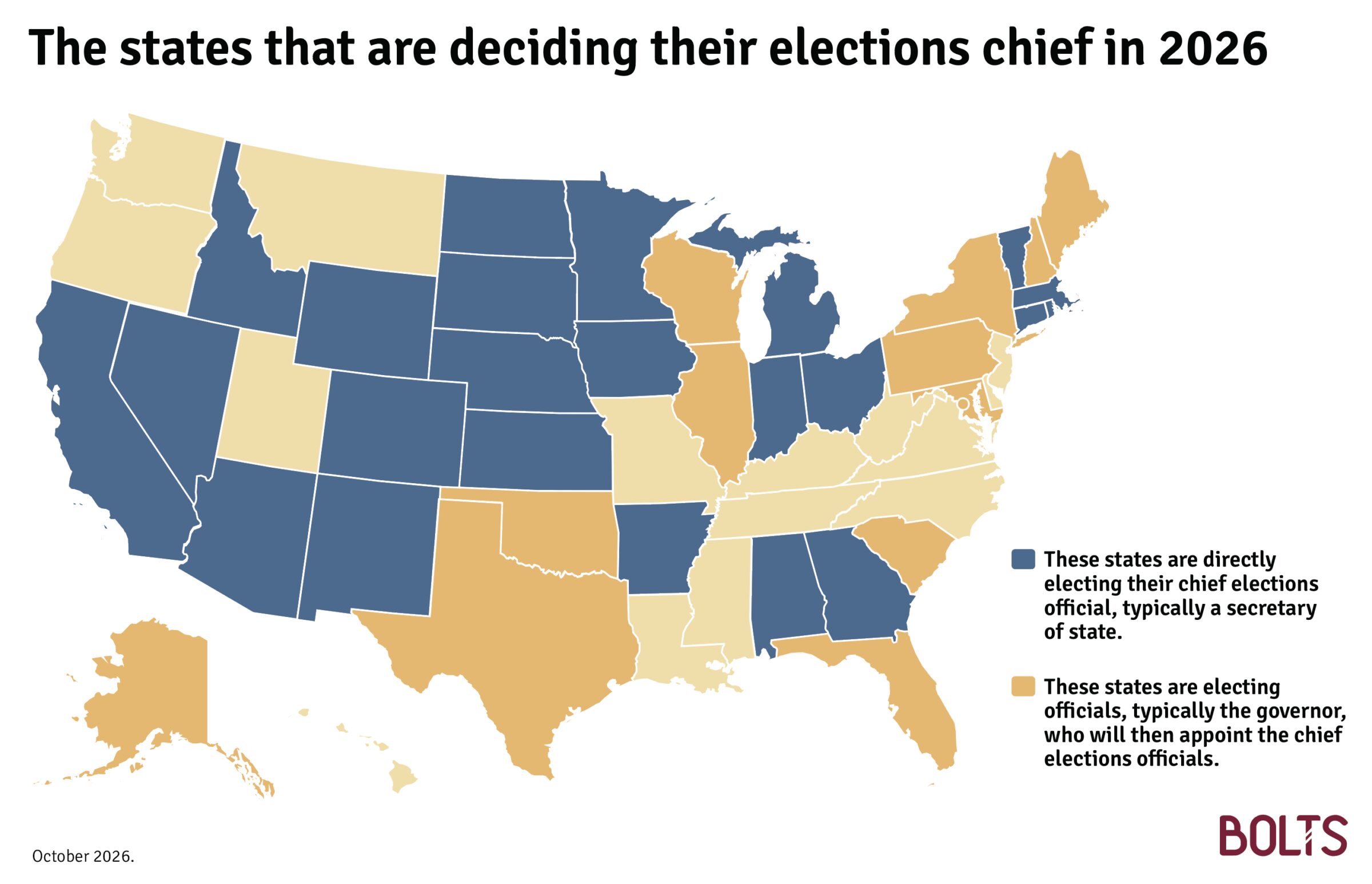
All in all, 35 states, plus D.C., are voting in November, directly or indirectly, on who runs their elections. In 23 states, voters are doing this directly by electing the public official—typically the secretary of state—who will oversee elections. In another 12 states and D.C., voters are selecting the officials who will then appoint their state elections chiefs.
These contests will shape what election administration looks like in critical swing states, and decide who is actually running election mechanics in 2028, the next presidential cycle.
Data-sharing is but one fault line in these contests, which are also defined by ongoing turmoil around mail voting, a method the GOP has looked to restrict, and by continued efforts from Trump allies who falsely deny his 2020 loss and have pushed to take over elections.
Election deniers are, once again, running to oversee elections in the swing states of Arizona and Nevada. Arizona’s contest features Republican Alexander Kolodin, who was disciplined by the Arizona State Bar for his role in a lawsuit trying to overturn the 2020 results, and Nevada’s features Republican Jim Marchant, who wants to unregister every voter in the state.
The race for Arizona secretary of state is especially significant; this office will be tasked with certifying the results of the 2028 presidential race.
A host of other Republican candidates have also mirrored Trump’s priorities on voting. There’s Pat Proctor in Kansas, who last year sponsored legislation that eliminated the state’s grace period for mail ballots, as Trump has demanded. There’s Tim Fleming in Georgia, who says the 2020 election was marred with “irregularities” and who wants to severely restrict mail voting. There’s Robert Sprague in Ohio, whose ads say he would “ditch” ballot drop boxes as evidence of his support for Trump.
But these offices also matter in more subtle but important ways. Elections leaders can influence whether citizen initiatives make the ballot. They have the power to help the most marginalized in the electorate register and cast a ballot, or can choose to make that process more difficult. They often set the scale of voter roll purges.
Even where they can’t unilaterally change voting procedures, they are often major players in state legislative debates on all manners on election policy.
In Colorado, for instance, Democratic secretary of state nominee Amanda Gonzalez helped author a landmark law to require polling places in local jails, and she told Bolts she plans to advocate for continued expansion of voting access for incarcerated people.
In Wyoming, Republican secretary of state nominee Robert Short vows to advocate for finally allowing online voter registration, which nearly all other states already have.
Explore our state-by-state breakdown of the 2026 midterms below.
Key contests to watch include Georgia, where voters will choose Brad Raffensperger’s successor, six years after he rebuffed Trump’s call to “find” him more votes. Democratic incumbents are seeking reelection in swing Arizona, Minnesota, and Nevada, and a GOP incumbent is seeking a fourth term in Iowa.
Meanwhile, Colorado, Indiana, Kansas, Michigan, New Mexico, Nebraska, and Ohio are all electing new secretaries of state in open and possibly competitive contests.
And in Florida and Texas, the winner of unexpectedly tight governor races will get to appoint the next secretary of state.
For more information on the workings of election administration, you can explore Bolts’ state-by-state databases. The first, Who Runs our Elections?, details which state offices prepare and administer an election. The second, Who Counts Our Elections? details which state offices handle the counting, canvassing, and certification stages.
Sign up for our newsletter
For more on state elections
Alabama
Via election for secretary of state
Alabama Secretary of State Wes Allen courted much controversy in that role, pulling the state out of ERIC, the multi-state project for sharing voter data that was used to keep voter rolls clean and detect fraud, and threatening to keep Joe Biden off Alabama’s ballot in 2024. Now that he is retiring to run for lieutenant governor, Republican Caroleene Dobson and Democrat Wayne Rogers are running to replace him.
Dobson, an attorney, claimed during her successful run in the GOP primary that voter fraud is a major threat and she has said she wants to create a centralized unit dedicated to investigating elections modeled after Florida’s. Florida created such an office in 2022 and then prosecuted residents who made voting errors. Rogers, the underdog in this red state, is running on the need to adopt an “Alabama Voting Rights Act” to replace gutted federal protections.
Alabama is one of just three states that doesn’t allow any in-person early voting; The Alabama Reflector reports that only Rogers has said he is in favor of changing that.
Alaska
Via election for governor and lieutenant governor
In Alaska, the lieutenant governor, who is selected by a gubernatorial candidate and then elected on a joint ticket with that candidate, oversees elections and appoints the state’s elections director.
For the past four years, Republican Lieutenant Governor Nancy Dahlstrom has been the state’s elections supervisor, but she’ll exit office after the election, replaced by one of four people in what polling shows is a close November race for governor and lieutenant governor. The field features one Democrat and three Republicans, and it will be decided by ranked-choice voting.
Whoever takes over Alaska elections will have at least one big issue to work on, if they care to: in recent years, the state has prosecuted American Samoans for voting after they were erroneously registered to vote, as Bolts reported in January. American Samoans are U.S. nationals who do not have the right to vote in U.S. elections, and while the state dismissed those charges in September, the porous voter registration systems and resulting mass confusion that made the case possible to begin with still largely remain.
Arizona
Via election for secretary of state
Adrian Fontes, a Democrat who once ran elections in Maricopa County, is seeking a second term in a state that is a perennial battleground over election administration: Each of Arizona’s last three secretary of state elections has been decided by five points or fewer.
Fontes has spent much of his time in office defending against the White House’s attempt to seize control of state-level election administration—and his Republican opponent in November, Alexander Kolodin, is a loyal soldier in that effort. A far-right state representative from Scottsdale, Kolodin was an attorney in Trump’s failed 2020 suit to overturn his defeat that year in Arizona. The Arizona Supreme Court later found Kolodin had “violated his duty to the legal profession” by arguing to overturn results despite lacking evidence, and the State Bar of Arizona disciplined Kolodin for his actions related to the 2020 election.
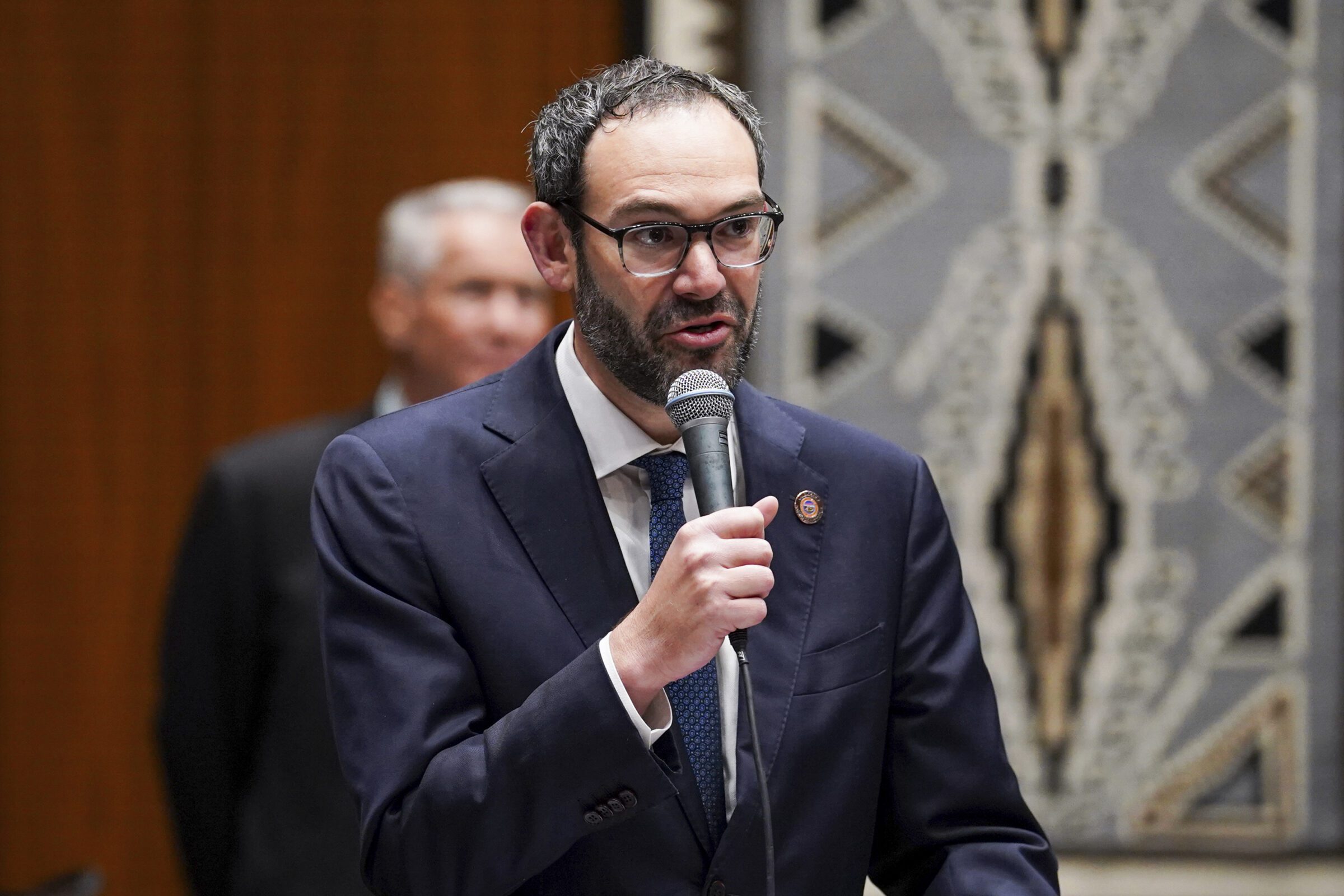
In parallel with his work to assist Trump, Kolodin’s been active in state-level election matters. He filed a lawsuit in 2022—also unsuccessful—to end mail-in voting in Arizona. This year, as a lawmaker, Kolodin led the effort to advance a ballot measure, Proposition 144, that, among other changes, proposes strict new voter ID requirements and codifies the state law excluding non-citizens from voting.
Fontes, by contrast, defends vote-by-mail, which he has called “not only secure, but one of the easiest ways to expand access to voting, increase participation in our elections, and ensure that every eligible voter in the state can vote.” He denied the Department of Justice’s request for state voter roll information and then successfully fought the GOP’s lawsuit to access that data, and he joined another lawsuit opposing the failed federal bid to overhaul mail voting rules through the United States Postal Service. When the Department of Homeland Security threatened to withhold federal funding to states that do not accept its proposed election reforms, Fontes said that Homeland Security Secretary Markwayne Mullin could “suck on a salt lick.”
Arkansas
Via election for secretary of state
Kim Hammer, a Republican state senator, sponsored a barrage of laws last year that created new hurdles for citizen-led initiatives. His proposals gave the secretary of state’s office new powers to disqualify ballot measures. A local advocate who has organized initiatives in Arkansas, Melissa Fults, told Bolts at the time that the new laws will transform the secretary of state into “judge, jury and executioner for the petitioning process.”
Hammer is now running for secretary of state, the office whose powers he helped extend. He is the frontrunner against Democrat Kelly Grappe, the founder of a civic engagement nonprofit who also works in marketing. Grappe has criticized the changes that have restricted direct democracy. “I believe that role should amplify the power of the people and empower the people,” she told local press as she launched her bid last fall.
California
Via election for secretary of state
Secretary of State Shirley Weber is running for reelection and is favored to win over Republican Donald Wagner, a supervisor in Orange County. Weber finished 22 points ahead of Wagner in the all-party primary in June, but the two must face off again in November.
The candidates disagree on the biggest election-related issue on California’s ballot, Proposition 39, which would require people to present an approved government-issued ID at the polls. Weber opposes the measure, telling KQED, “Oftentimes those things are put in place merely to deter people from voting, to make it more difficult for people to vote.” Data from other states show that similar measures have suppressed voting.
Wagner supports Proposition 39, saying “it’s not going to stop anybody from voting.” He has said that although he believes elections are broadly fair, there are election integrity issues “across the spectrum.” Wagner has also called for speeding up California’s notoriously slow vote tabulation process; he wants to allow counties to begin counting mail ballots before election day, and require counties to publish results within 72 hours of an election.
Colorado
Via election for secretary of state
Democrat Amanda Gonzalez faces Republican James Wiley in the race to replace two-term Democratic Secretary of State Jena Griswold, who is now running for state attorney general.
Gonzalez currently oversees elections in populous, suburban Jefferson County, and before that she ran the Colorado branch of the national voting rights group Common Cause. She has for many years been a key figure in turning Colorado into one of the most accessible states for voters, helping to author plenty of legislation aimed at protecting and expanding voter rights.
This includes a landmark reform bill, adopted in 2024, that made Colorado the first state to require in-person polling places inside county jails; most people held in jail were already eligible but faced major barriers to voting. Bolts found that the reform sent turnout soaring in the 2024 elections. Gonzalez tells Bolts she’ll continue working to improve jail-based turnout, if elected.

Wiley, a 2024 minor candidate for Congress and the former director of the state’s Libertarian Party, opposes Colorado’s universal mail voting program. He is also a staunch supporter of Tina Peters, the former county clerk and Trump ally who was convicted of leaking sensitive elections information, and who is now reportedly advising Trump to interfere with midterm voting.
Connecticut
Via election for secretary of state
Secretary of State Stephanie Thomas, a Democrat, is running for a second term against Peter Lumaj, a Republican who has run unsuccessfully for state and national offices, including secretary of state, several times in the past.
“Voter fraud is the favorite pastime of the Democratic Party,” Lumaj declared in a past campaign for secretary of state. This year, Lumaj has pointed to the Trump administration’s investigations into elections in many Democratic-run states, including Connecticut, as evidence of “repeated incompetence.” Thomas, meanwhile, has rebuffed Trump’s accusations and urged confidence in election processes.
Florida
Via election for governor
This office is an appointed one, so the next secretary of state will be decided by the winner of the governor’s race between Republican Byron Donalds, a staunch Trump ally, and Democrat David Jolly, who is running on rolling back recent restrictions and expanding ballot access.
Florida’s current secretary of state, Cord Byrd, has refused to acknowledge that Biden won in 2020, has mirrored baseless claims about rampant voter fraud, and has withdrawn Florida from an election security program targeted by right-wing conspiracy theories. He has also overseen an office created under Governor Ron DeSantis to police elections, which rained harsh criminal charges on people who mistakenly voted despite past felony convictions; most of the cases ended up falling apart.
Georgia
Via election for secretary of state
Secretaries of state are usually not celebrities, but Georgia Republican Brad Raffensperger became a household name in 2020, when he refused Trump’s infamous request to “find” the thousands of votes he would have needed to win the state that year.
Raffensperger is term-limited and will be replaced by either Democrat Penny Reynolds Brown, a former Fulton County judge and one-time court television personality, or Republican Tim Fleming, a state representative who was once chief of staff to outgoing Governor Brian Kemp.
While Raffensberger defended the integrity of the 2020 election, Fleming said at a debate this spring that there were “irregularities” that year. He also said “mail and absentee ballots is where the fraud is” and that he wants to eliminate no-excuse mail voting; as a state lawmaker, he already sponsored legislation to limit drop boxes. He also pushed for Georgia to withdraw from ERIC, the multi-state data-sharing project that is meant to detect fraud but was targeted by right-wing conspiracy theories.
Reynolds Brown, who wants to expand early voting and ballot dropboxes, is trying to become the first Democrat in 20 years to hold this office, amid a general push by Democrats to gain ground in this now-swing state.
Idaho
Via election for secretary of state
When Republican Phil McGrane won the secretary of state’s office in 2022, he defeated several fervent election deniers but also refused to affirm that Joe Biden had won the 2020 election in an interview with Bolts. In office, he has defended stricter voting procedures from a legal challenge, including a ban on student IDs. This year, he supported new legislation that tightened the state’s voter ID rules, though he did oppose an even more aggressive version of the law. He has also rejected the Trump administration’s request for sensitive voter rolls information.
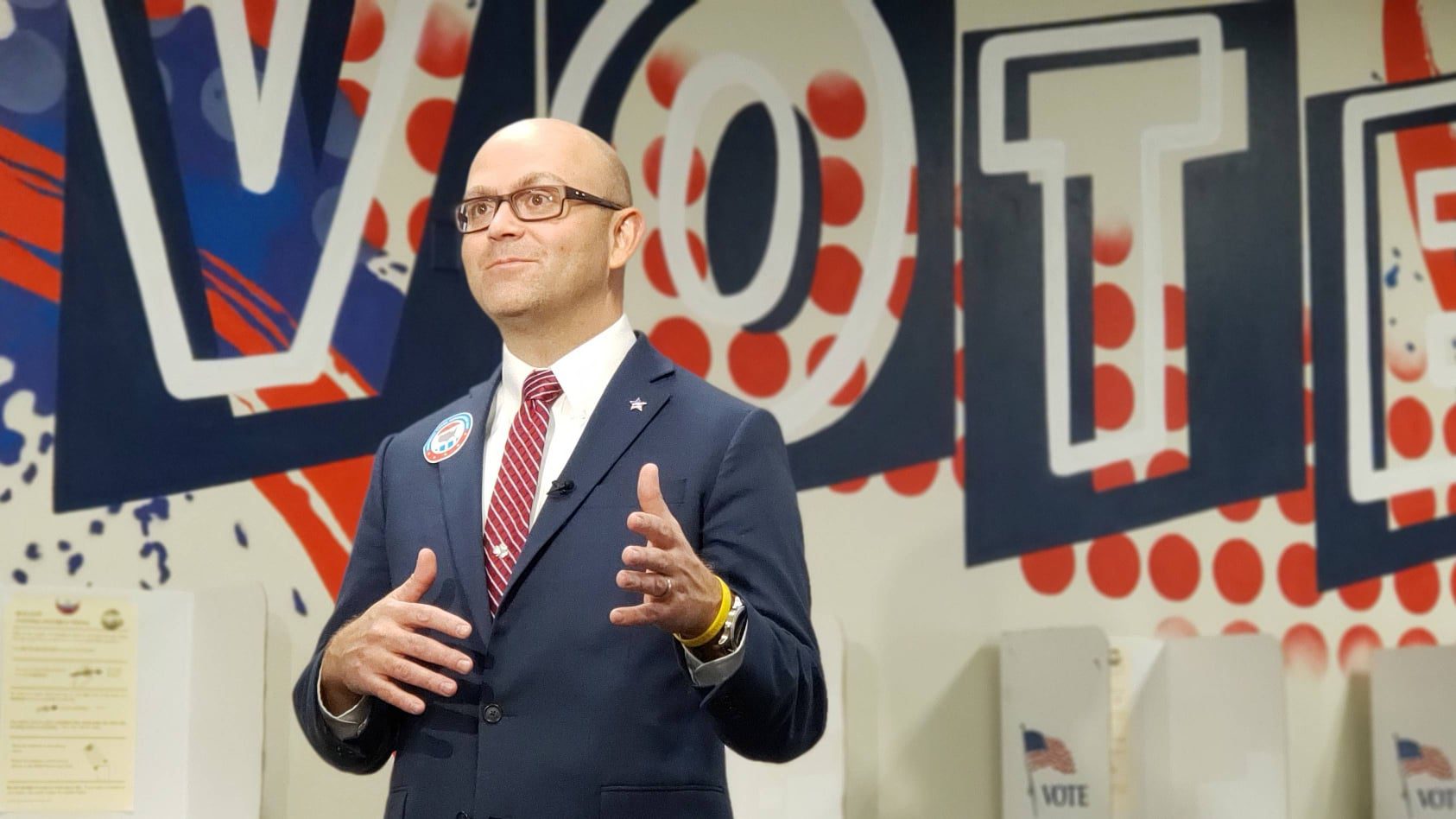
McGrane is heavily favored to win a second term in one of the nation’s reddest states. He faces a rematch against Democrat Shawn Keenan, whom he defeated 72 to 27 percent in 2022.
Illinois
Via election for governor
Secretary of State Alexi Giannoulias, a Democrat, is heavily favored against Diane Harris, his GOP challenger; in fact, he has already announced he’s campaigning for Chicago mayor in 2027. .
But the Illinois secretary of state is not involved in election administration. Instead, elections are overseen by an eight-person board of elections. Board members are appointed by the governor, but they must be equally split between the two major parties and confirmed by the state Senate. That structure tempers how much the winner of the governor’s race—Democratic incumbent J.B. Pritzker is favored over Republican Darren Bailey—might alter election administration.
Indiana
Via election for secretary of state
Diego Morales won the secretary of state race four years ago on a campaign of election denialism, and his tenure as secretary of state was marked by controversy nearly from the start; he raised questions after using taxpayer money to buy an expensive vehicle, taking international trips that blurred his professional and private lives, and hiring at least one family member to a post in his office. In June, he lost his reelection bid at a GOP convention when Republicans nominated Max Engling, a former staffer for U.S. Senator Jim Banks.
Engling faces a crowded field that includes Libertarian Lauri Shillings and Greg Ballard, the former Republican mayor of Indianapolis who is now running as an independent and arguing that the secretary of state should be an entirely non-partisan office. Democrats nominated Beau Bayh, an attorney who has never held office but has roots in a political dynasty—his grandfather is former three-term U.S. Senator Birch Bayh, and his father is former Indiana Governor and U.S. Senator Evan Bayh—and has raised far more than the other candidates.
Iowa
Via election for secretary of state
Republican Paul Pate, Iowa’s secretary of state since 2015, seeks a fourth term in office, and is challenged this year by Democrat Ryan Peterman, a former Navy pilot.
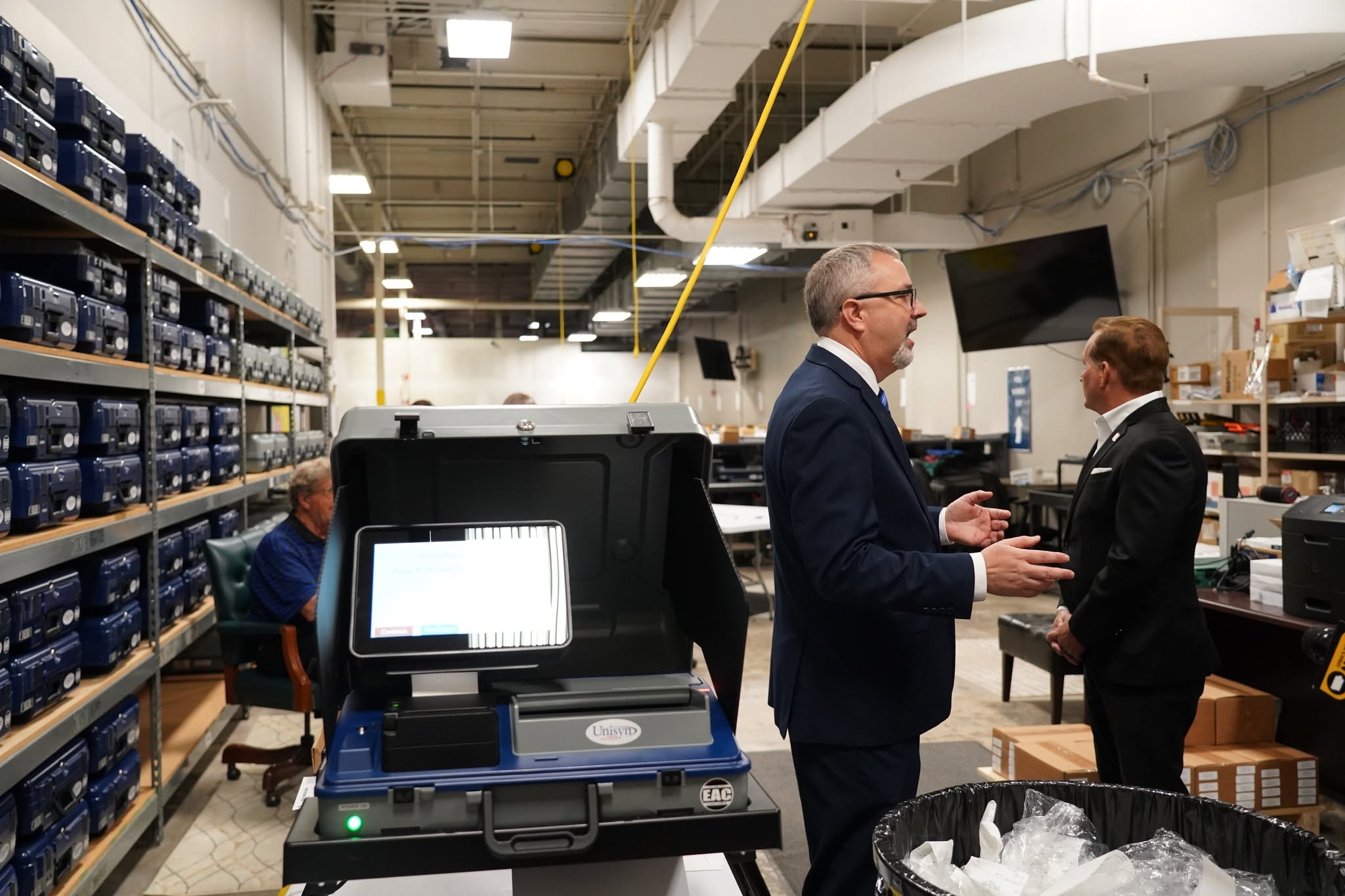
In Pate’s time in office, Iowa’s GOP-run legislature has, with his blessing, significantly restricted voter access, including by giving voters less time to request mail ballots; installed a strict deadline that says mail ballots won’t be counted if received after polls close, even if they were mailed before Election Day; and cut the state’s early-voting period in half.
Peterman wants to expand voter access, including by restoring more time for early voting. He couldn’t do that on his own, however; even if he wins, he’ll have to contend with the same GOP-controlled legislature that passed the restrictions he opposes.
Kansas
Via election for secretary of state
Kansas last year banned grace periods for mail ballots that are postmarked by Election Day but arrive later, one of several GOP-led states to do so since Trump’s return to power. The lead sponsor of that bill, Pat Proctor, is now the GOP’s candidate for secretary of state, running to replace incumbent Scott Schwab, a Republican who unsuccessfully ran for governor.
“If it was up to me, Election Day would be Election Day,” Proctor said in a leaked video obtained by the Kansas advocacy group Loud Light and published by Kansas Reflector. “There wouldn’t be early voting. Mail-in ballots would only be for military or severely disabled.”
Proctor is running against Democrat Jennifer Day, another former state legislator who says she wants to see the state’s three-day grace period reinstated. The elimination of that grace period, she and many voting rights advocates believe, was especially impactful in Kansas because it already has a much shorter early-voting window than most other states.
Maine
Via state legislative elections
Maine’s secretary of state is appointed by the legislature, not elected, and so this office’s future depends on the outcome of November’s elections, when every seat in the statehouse will be on the ballot. Democrats currently hold both legislative chambers, but Republicans need to flip only a few seats in each venue to retake control.
The current secretary of state, Democrat Shenna Bellows, told Bolts that she intends to seek another term as secretary when the legislature convenes.
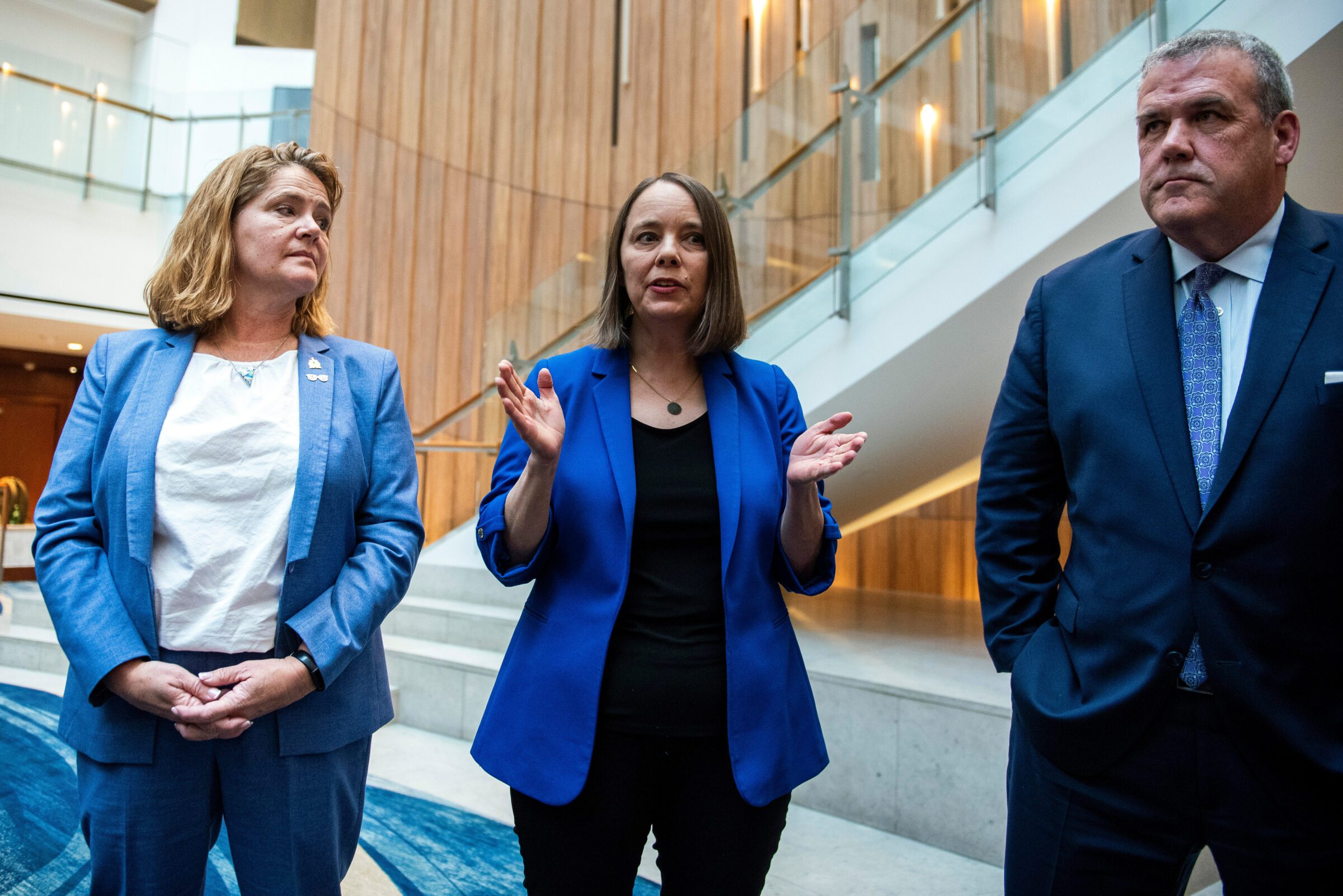
Bellows, who this year ran unsuccessfully for governor, then ran unsuccessfully in the brief scramble to replace Graham Platner in the U.S. Senate race, has opposed Trump’s attacks on election administration. She told the Department of Justice to “jump in the Gulf of Maine” when it sought Maine voter-roll information. Last year, she also fought proposals that would have restricted mail voting, and which Mainers ended up rejecting. “We should not be making it harder for people to have their voices heard,” she told Bolts.
In this state with a tradition of high voter turnout, voters remain who have trouble getting their voices heard. Unlike almost every other part of the country, people imprisoned over felony convictions have the right to vote in Maine, but, as Bolts reported this summer, significant access gaps remain for incarcerated voters. Bellows’ office has disappointed some voting rights advocates on this front, including by refusing to establish polling places inside prisons.
Maryland
Via election for governor
Maryland’s governor appoints the secretary of state. Current office-holder Susan Lee was chosen by Democrat Wes Moore in January 2023.
Moore is up for reelection and is heavily favored against Dan Cox, a Republican who already lost to Moore by over 30 points in 2022. Cox falsely denied Trump’s loss in the 2020 election and helped organize bus travel to D.C. on Jan. 6, 2021, for people demanding that the result be overturned. Even if Cox were to score a massive upset in ousting Moore, his nominee would still need to be confirmed by the solidly Democratic state Senate.
Massachusetts
Via election for secretary of state
Bill Galvin, a Democrat, has been in office since 1995 and has occasionally frustrated progressives who wanted more ambitious expansions of ballot access.
This year, though, Galvin has led the effort to advance a measure on the November ballot to allow people to register to vote on Election Day. He is also running for a ninth term and will face Republican Anne Brensley, who got her party’s nomination via a write-in campaign in the GOP primary in September after unsuccessfully running for lieutenant governor earlier this year.
Michigan
Via election for secretary of state
Michigan Democrats are hoping to play a game of musical chairs with the state’s top offices: Secretary of State Jocelyn Benson is running to take Gretchen Whitmer’s place as governor, and running to take Benson’s slot is Lieutenant Governor Garlin Gilchrist, who says his experience as a former software engineer could help him ensure that elections are secure.
Gilchrist faces Republican Anthony Forlini, the clerk in Macomb County, a populous Detroit suburban area. Forlini has put a spotlight on claims of voter fraud, conducting a “forensic audit” of the 2020 election that found no evidence of impropriety, and more recently bypassing state officials and working with Trump administration databases to track down noncitizens on voter rolls. Now he points to his years of election administration experience as reasons why voters should count on him to be even-keeled; he got the GOP nomination over a candidate who was much more outspoken about her election denialism, in a departure for this state party. But Forlini declined to answer in a September interview when asked who won the 2020 presidential election. In interviews with Votebeat in October, Gilchrist said he would not share the state’s unredacted voter rolls with the Trump administration while Forlini said he’d consider it.
Minnesota
Via election for secretary of state
Incumbent Steve Simon, a Democrat, is seeking another term against Republican Tad Jude, a former state legislator and district court judge. Simon is defending his tenure as elections chief of a state that regularly has one of the highest voter turnout rates in the country; he refused to share sensitive voter information with the Trump administration and prevailed in court.
Jude, meanwhile, has called his platform “SAVE Minnesota,” a name that mirrors the Trump-championed SAVE Act, the federal legislation that would require documentary proof of citizenship for people to register to vote. He also says he’d want to use the Trump administration’s controversial SAVE voter database to confirm citizenship. Jude says there’s a need to tighten voting rules to fight fraud, including requiring photo ID for every voter.
Nebraska
Via election for secretary of state
Secretary of State Bob Evnen, a Republican, has done a whole lot to curry favor in the GOP. Among other things, he teamed with the state’s attorney general to shut down voting rights for people with past felonies; he tried to kick a Democrat off the ballot for U.S. Senate; and he complied with, and then downplayed, the DOJ’s controversial request for Nebraska’s voter data.
None of this was enough to protect Evnen in the GOP primary earlier this year, when he lost to a challenger from the right, Scott Petersen, a businessman and self-described “America First Republican” who echoes election conspiracies and calls for a “DOGE approach to government.” If elected, he says, that approach would include a “top-to-bottom audit” of the secretary of state office and subsequent elimination of as-yet-unspecified roles or expenses.
Petersen faces Democrat Sarah Slattery, who runs a winery and event space, in November. Slattery says she wants to expand voter access, including by advocating for same-day voter registration, and she opposes strict voter ID rules adopted in 2023. Even in a potential blue wave year, she faces long odds: Nebraska hasn’t elected a Democrat as secretary of state since 1933.
Potentially altering this race is the presence of an unusually prominent third-party candidate: Bob Krist, a former Republican state senator who ran for governor as a Democrat and is now running for secretary of state under the banner of Nebraska’s America First Party. Krist told the Nebraska Examiner that he thought voters needed another option who would push back against Petersen’s criticism of state elections.
Nevada
Via election for secretary of state
Jim Marchant, the Republican nominee for secretary of state, is an election denier who has called for reforms that stand out even in the modern GOP. He not only supports ending universal mail voting and electronic voting, but says that if he’s elected he’ll push to unregister Nevadans en masse, and allow reregistration only by those verified as eligible.
The Nevada Independent reported earlier this year that Marchant has even floated using heartbeat detection in that verification process. Numerous elections experts told Bolts that they had not heard of such a proposal before, and the Marchant campaign didn’t respond to repeated requests for comment from Bolts on the proposal.
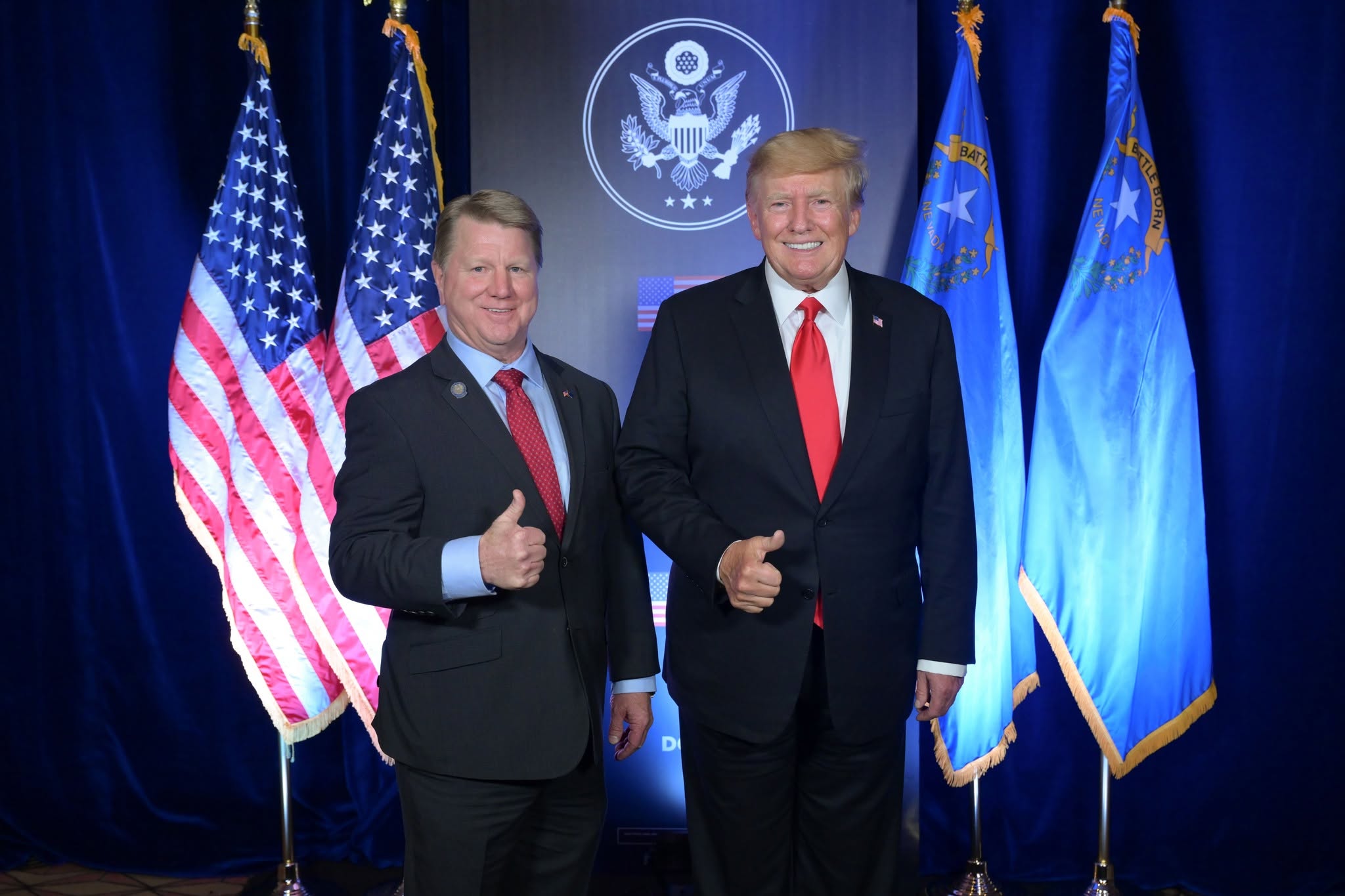
He has long been a proud, vocal promoter of the lie that the 2020 presidential election was stolen from Trump, and he led a national slate of candidates in 2022 who ran on that message. He ended up narrowly losing to Democrat Cisco Aguilar, an attorney and former staffer for longtime U.S. Senator Harry Reid. These two face off in a rematch this year.
As secretary, Aguilar has been a frontline defender against Trump’s attempted federal takeover of state election administration. He’s the chair of the Democratic Association of Secretaries of State, and he has called Trump’s election conspiracies “some bullshit.” Bolts interviewed Aguilar in 2023, when he voiced concern that these conspiracies were subjecting election workers to harassment and endangering election administration.
New Hampshire
Via elections for state legislature
Legislators vote to select the New Hampshire secretary of state every two years. In late 2022 and 2024, they chose Republican David Scanlan.
Scanlan has supported the New Hampshire GOP’s recent election reforms, including restrictions on same-day voter registration and a strict proof of citizenship requirement to register to vote. But he also rejected Trump’s request for sensitive voter information, sparking a lawsuit from the Department of Justice, and criticized Trump’s effort to dictate how elections should be run.
Scanlan’s office told Bolts that he would seek another two-year term in December. Control of the legislature is uncertain but there’s no guarantee that Democrats would opt for an alternative even if they flip the legislature. He got support from many crossover Democrats in his run in late 2022, and in late 2024, when the GOP enjoyed larger majorities, no one challenged him.
New Mexico
Via election for secretary of state
New Mexico has passed several reforms easing ballot access and voter registration with support from Secretary of State Maggie Toulouse Oliver, including a law in 2023 that restored voting rights to anyone not currently incarcerated. But a year after that reform, formerly incarcerated voters who’d had their rights restored were still struggling to access those rights and Bolts reported that Toulouse Oliver’s office was instructing county clerks to only accept registrations from formerly incarcerated voters in person, not by mail or online. The state reached a settlement in late 2024 with voters who sued over the registration issues.
Now two years later, Toulouse Oliver is term-limited, and Democrats have nominated a local elections administrator to replace her: Amanda López Askin, who currently serves as the clerk of Doña Ana County and touts her experience as an elections official. López Askin, who once faced death threats from a disgruntled candidate, says she’d fight federal incursions in elections.
López Askin faces Republican Ramona Goolsby, who wants to roll back some of New Mexico’s recent reforms, including the state’s permanent absentee voter list that was set up in 2024. Asked by the Santa Fe New Mexican who won the 2020 presidential election, Goolsby never answered and said there were “issues” with mail voting. Asked in a follow-up if she thinks the election was stolen from Trump, she said that she had asked questions but that, “overall, I can’t say that I find it (stolen).”
New York
Via election for governor
New York elections are run by the State Board of Elections, a bipartisan body whose members are named by the governor. (The governor also appoints the secretary of state, but that office has no duties relating to election administration.) The board drew a lawsuit from the Trump administration this year for refusing to hand over sensitive voter data to federal authorities; a court tossed the lawsuit, siding with New York’s board, this summer.
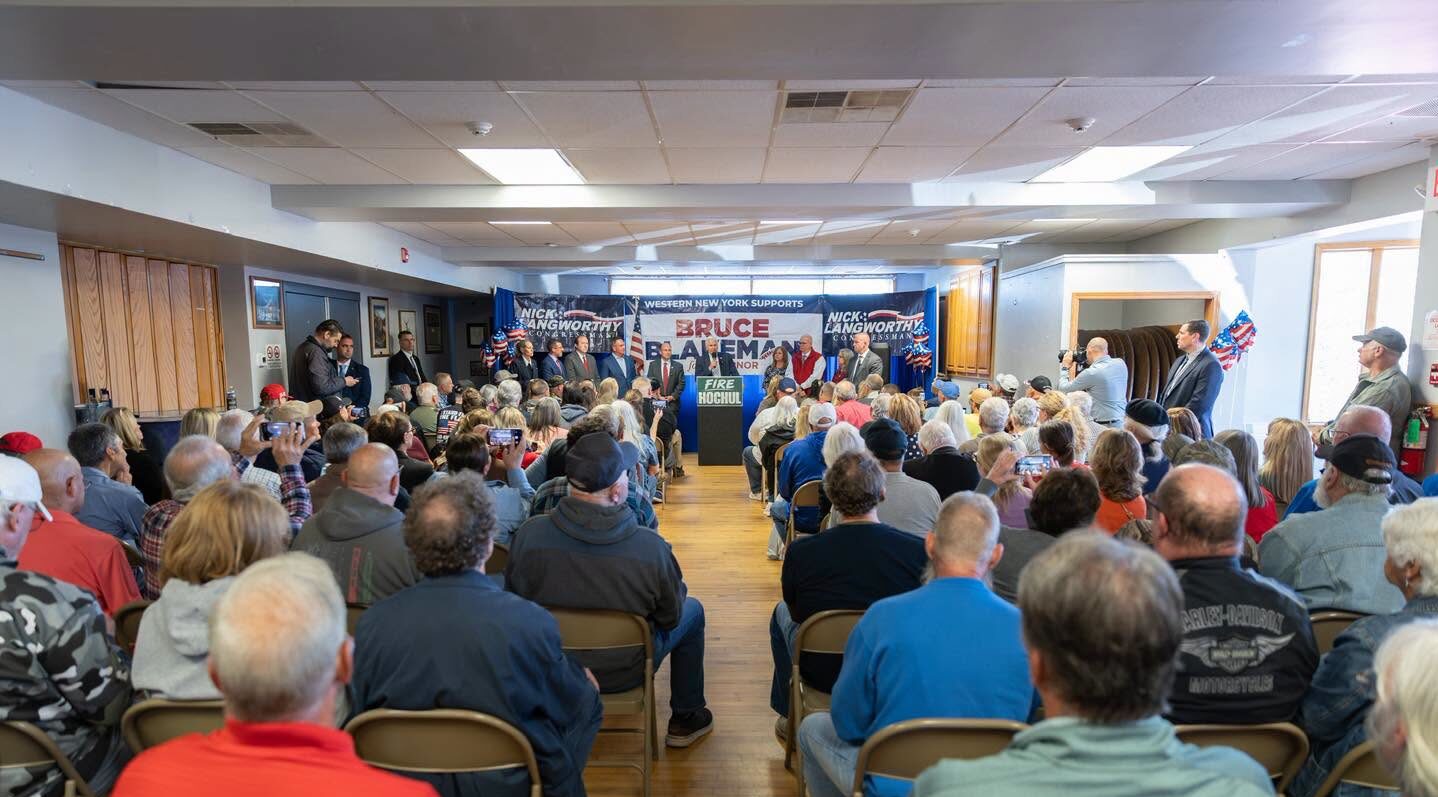
Governor Kathy Hochul is running for reelection this fall against Bruce Blakeman, the Nassau County executive who has sowed doubt about elections by accusing state Democrats of cheating to defeat him and threatening them with jail time.
North Dakota
Via election for secretary of state
In 2023, the Eighth Circuit of Appeals shattered decades of precedent and ruled that private individuals and third-party groups are not allowed to sue over violations of Section 2 of the Voting Rights Act, which bans discrimination on the basis of race.
The startling decision involved a case out of Arkansas. But North Dakota Secretary of State Michael Howe asked the appeals court to use that same finding to overturn a court ruling that struck down North Dakota legislative maps for violating the rights of Native voters. The Eighth Circuit agreed, as Bolts reported in 2025; it effectively held that tribes in North Dakota cannot sue the state for violating the VRA.
“It means the Voting Rights Act is functionally dead in a vast part of our country,” Samantha Blencke, an attorney with the Native American Rights Fund, told Bolts at the time. (Since then, the U.S. Supreme Court has struck another, near-fatal blow to the VRA in a separate case.)
Howe is running for a second term this year against Ryan Braunberger, a Democratic state senator who says the state should adopt an independent redistricting commission. Braunberger did not answer a request for comment on his views on the VRA legislation.
Ohio
Via election for secretary of state
Ohio Republicans, including Secretary of State Frank LaRose, have taken steps to make voting more difficult and to obey Trump’s election wishes. For one, LaRose complied with a Department of Justice request by handing over the state’s voter rolls earlier this year, in contrast to many of his counterparts around the country. With LaRose’s support, Ohio also recently banned its grace period for mail ballots.
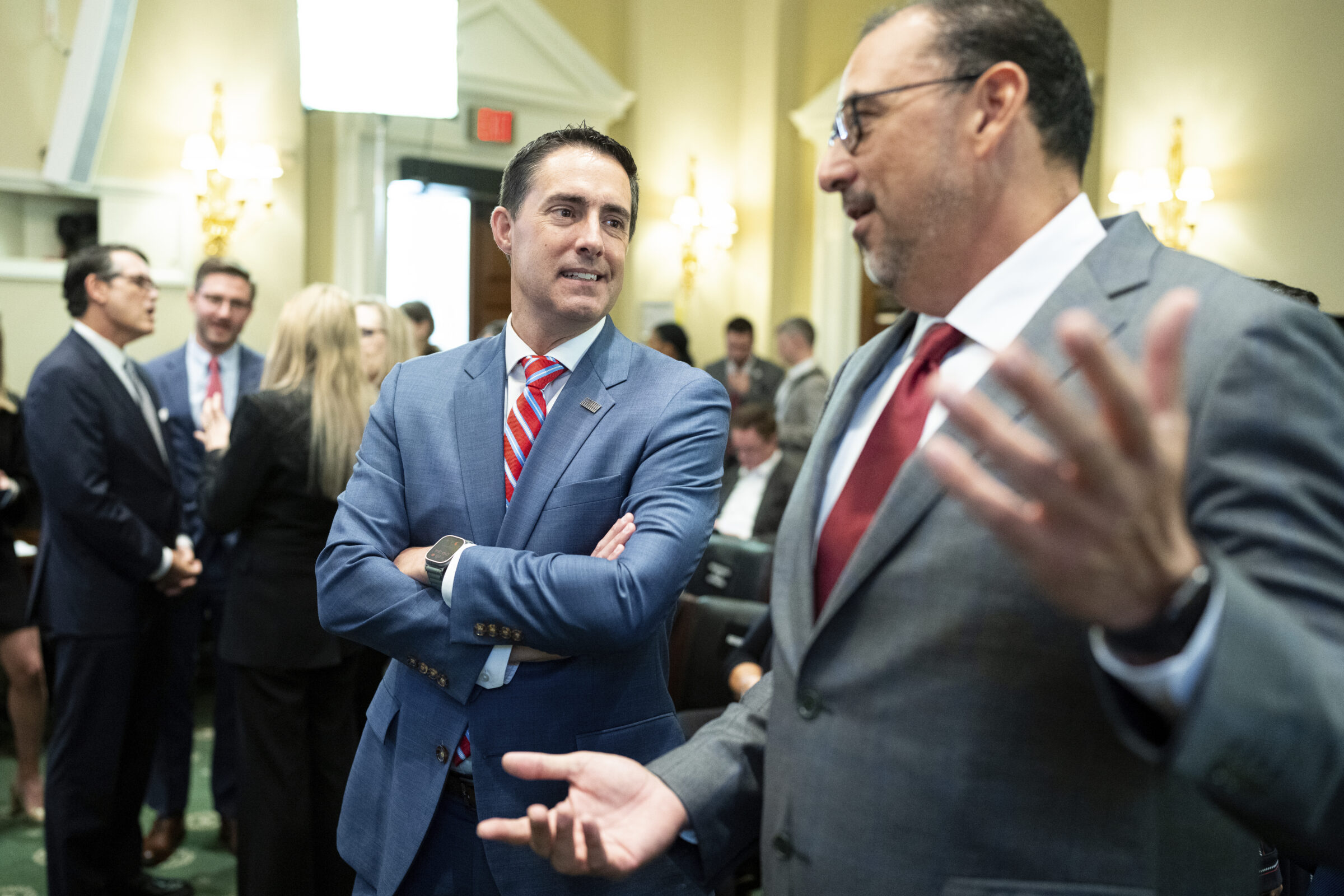
LaRose is barred from seeking a third term, and Treasurer Robert Sprague is the Republican nominee to replace him. Sprague, like LaRose, is vocal about combatting non-citizen voter fraud, despite overwhelming evidence that it hardly exists. Sprague also says he will support Trump by looking to eliminate dropboxes for mail ballots.
He faces Democrat Allison Russo, a state representative who says Ohio’s elections are “already safe and secure,” voted against the bill to bar the grace period, and recently posted on social media, “President Trump continues to focus on debunked conspiracies and election lies in order to cling to power.”
Oklahoma
Via election for governor
In Oklahoma, the governor gets to appoint the members of the state board of elections, who then run Oklahoma elections. (The secretary of state does not oversee elections here.) This year, the board initially resisted the Trump administration’s request to hand over sensitive voter information. But Oklahoma’s attorney general later negotiated with federal agencies, with the board’s approval, to share the data in a manner that they say shields voters’ privacy.
A Trump ally, former state Senator Mike Mazzei, is now the Republican nominee for governor; he faces Democrat Cyndi Munson, a state representative. The effect of their race on the elections board will be somewhat mitigated by the fact that governors must pick a bipartisan board; they must choose one of the three members from a list provided by the opposing major party. In addition, the governor’s nominees must be confirmed by the state legislature.
Pennsylvania
Via election for governor
In Pennsylvania, the secretary of state is appointed by the governor; that power became a defining issue in the 2022 governor’s race when the GOP nominated a prominent election denier who explicitly said he would select a like-minded secretary of state. But Democrat Josh Shapiro won that race, and then appointed Al Schmidt, a Philadelphia Republican who had denounced efforts to discourage voting, to oversee Pennsylvania elections.
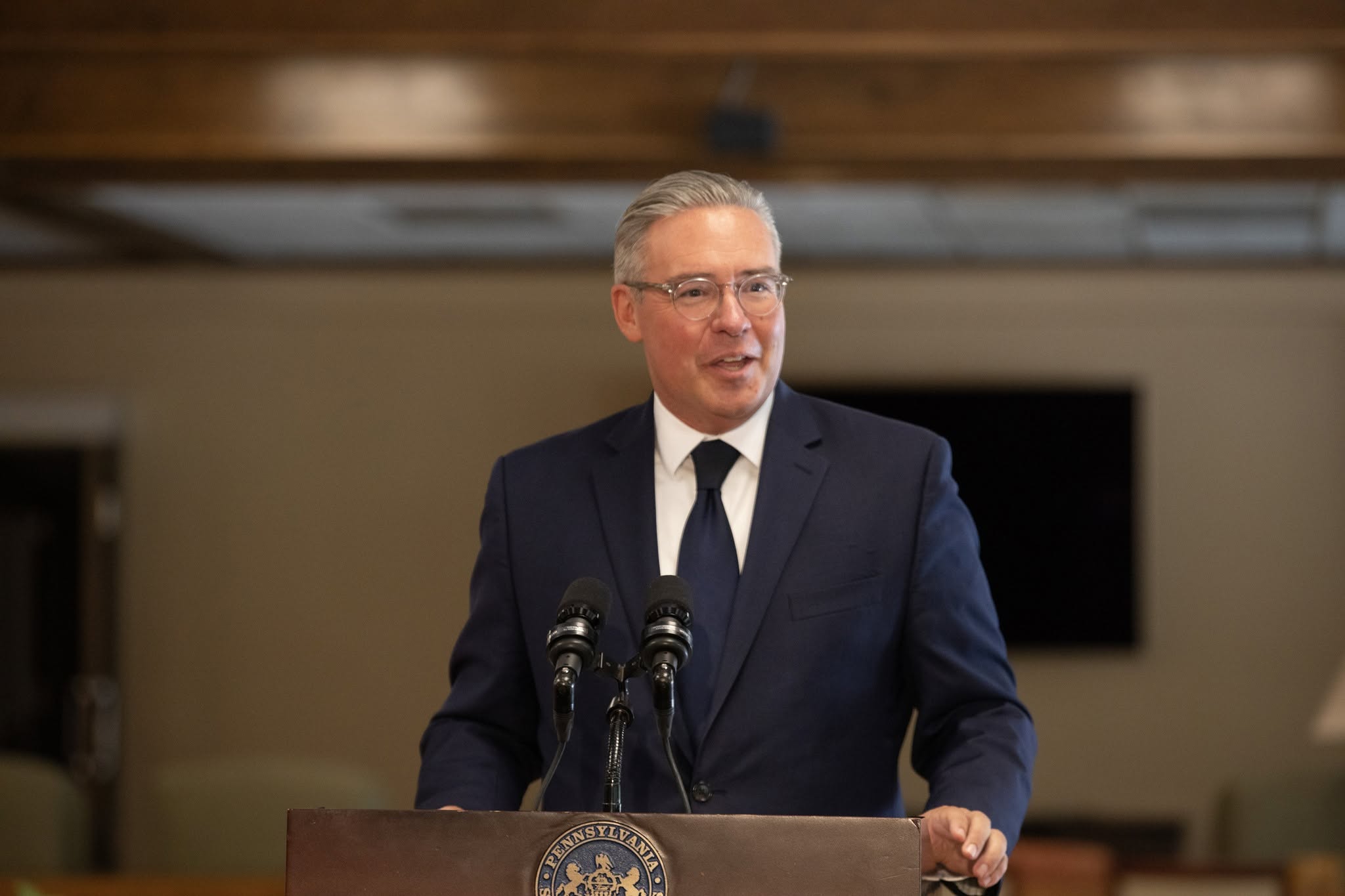
Shapiro and Schmidt have since implemented reforms meant to ease mail voting and voter registration; they’ve also both pushed back against Trump’s efforts to change voting procedures.
Shapiro is now running for reelection against Republican Stacy Garrity, the state treasurer. Garrity’s campaign did not reply to a request for comment on how she would approach the choice of a secretary of state; a review of her record by Votebeat found that she said in 2022 that Trump won the 2020 election, and this year she again claimed there were “irregularities” in Trump’s loss that year.
Rhode Island
Via election for secretary of state
Secretary of State Gregg Amore, a Democrat, is running for reelection unopposed. In fact, his Republican opponent in the 2022 election attended the launch of his reelection campaign.
Amore’s first term was marked by his repeated but fruitless advocacy for state lawmakers to adopt same-day voter registration, a reform that their neighbors in Massachusetts are voting on this fall. Rhode Island has among the nation’s most restrictive registration deadlines, with a cutoff 30 days before an election.
South Carolina
Via election for governor
The secretary of state’s office doesn’t oversee elections in South Carolina. Instead, the governor names five members to the State Election Commission.
The governor’s race this fall pits Attorney General Alan Wilson, a Republican, against state Representative Jermaine Johnson, a Democrat. Wilson in 2020 joined some other attorneys general in supporting a lawsuit that sought to overturn the presidential results in four states, and this year he backed Trump’s bid to force stringent new rules on how states run elections.
South Dakota
Via election for secretary of state
Republican incumbent Monae Johnson was ousted this summer after just one term as secretary of state. In her first run in 2022, Johnson expressed skepticism about the results of the 2020 election, consistent with other election deniers; she then encountered a number of issues during her time in office, including a lawsuit over her management of voter registration and primary elections this summer that a local election official described as “absolute chaos.”
Then, in the GOP convention in June, Johnson was passed over for an even more conservative challenger, Heather Baxter, a state representative who wants to hand count ballots, a longtime priority for legislators on the far right. In a twist, Johnson has since endorsed Democratic nominee Terrence Davis, writing in a local news outlet: “South Dakota deserves a Secretary of State who will strengthen confidence through performance rather than provocation.”
Texas
Via election for governor
Should Gina Hinojosa defeat GOP Governor Greg Abbott in November, that would come with a bonus prize: choosing a secretary of state, which in Texas is an appointed position. Abbott in July chose a new secretary, senior adviser and longtime Republican Robert Howden. Howden’s early tenure has been marked by revelations, first reported by Votebeat, that the Department of Public Safety has mishandled and delayed thousands of voter registration applications and accusations that the secretary of state’s office failed to catch the issue.
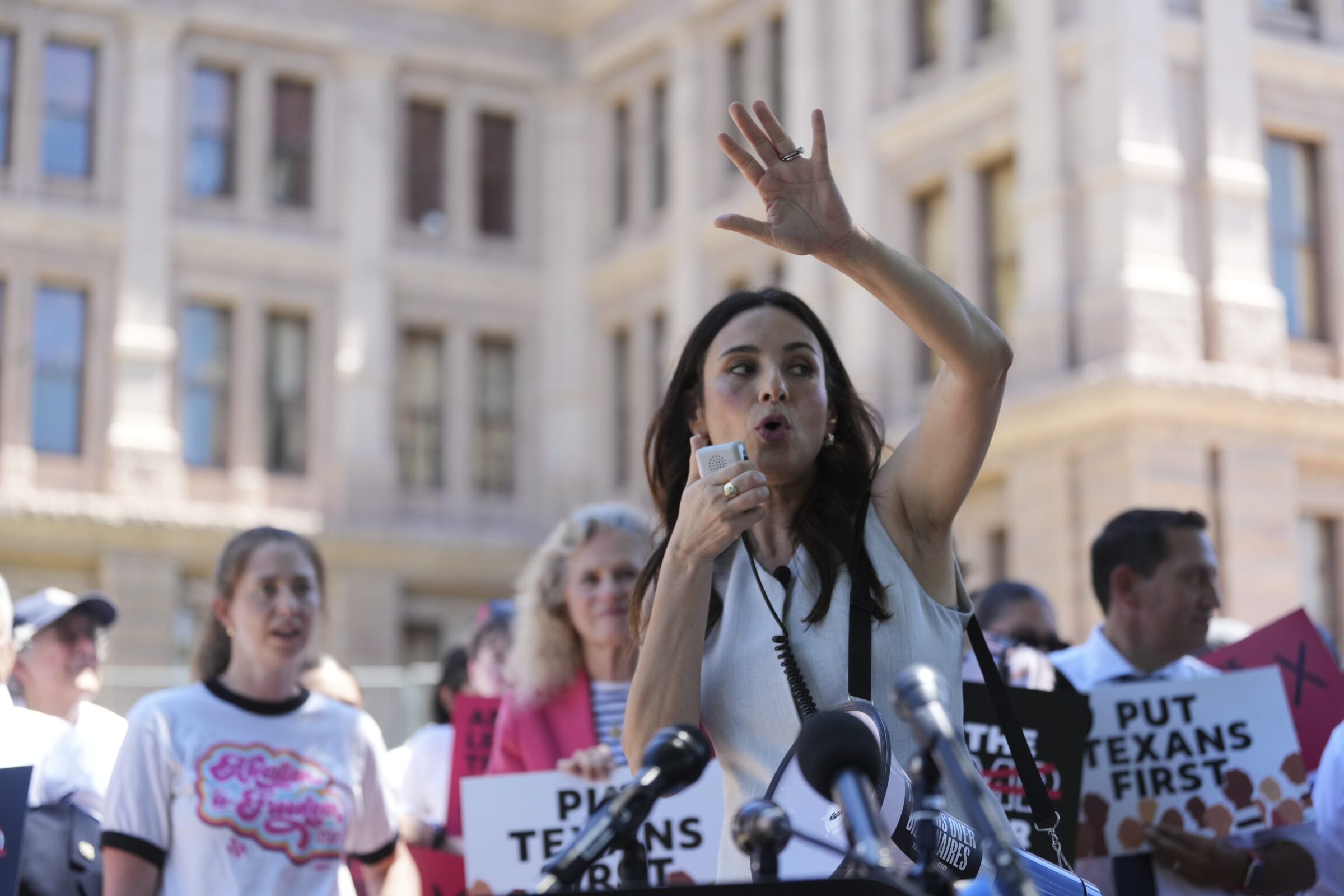
Voting rights have been a major partisan faultline in Texas, a state that still doesn’t even have online voter registration. GOP lawmakers have passed laws that prevent local election officials from expanding ballot access, restricting the range of reforms county-level administrators can pursue, but a secretary of state would have plenty of authority to make Texas procedures more inclusive. As a state lawmaker, Hinojosa has filed bills to make voting more accessible and she has stressed that theme in her governor’s campaign.
But one limiting factor on Hinojosa would be that the Texas Senate, which is likely to remain Republican, would have to confirm her nominee.
Vermont
Via election for secretary of state
This is the third consecutive cycle in which Secretary of State Sarah Copeland Hanzas, a Democrat, faces H. Brooke Paige, a Republican who has followed Trump in baselessly claiming that the 2020 presidential race was “stolen.”
Copeland Hanzas defeated Paige by 30 points in 2022 and then by 19 points in 2024. “It is highly worrisome to hear people echoing false claims and misinformation about the safety and security of our elections,” Copeland Hanzas told Bolts during her first run. “The purpose of these claims is to discourage people from participating in elections.”
Washington, D.C.
Via election for mayor
Elections here are overseen by a three-member board, appointed by the mayor and confirmed by the city council. D.C. is about to elect a new mayor, and Democratic nominee Janeese Lewis George, a progressive councilmember, is all but guaranteed to win in this overwhelmingly liberal city.
D.C. has taken significant steps to make voting easier in recent years, including through a first-in-the-nation reform to create a list of “preapproved” voters that largely eliminates the need for any voter registration. As with other local policy matters, D.C. election officials must contend with a Congress that has been frequently hostile to its self-determination, including on voter eligibility in the District.
Wisconsin
Via multiple state elections
The Wisconsin secretary of state does not oversee election administration; that job belongs to the six-member bipartisan Wisconsin Elections Commission and their administrator. The commission was thrown into chaos several years ago when Republicans in the state legislature tried to force Meagan Wolfe, the commission’s nonpartisan administrator, out of her job after she became a target of right-wing conspiracies. They even got to the brink of impeaching her, but the state supreme court ruled unanimously in 2025 that she could stay in the role.
If Wolfe leaves, her successor would be chosen by the elections commission, whose members are appointed by the governor and legislative leaders. Wisconsinites are electing their governor and most of their lawmakers this year in some of the nation’s most closely-watched contests, which have both parties hoping for full control. In the governor’s race, GOP nominee Tom Tiffany, a U.S. representative who backed Trump’s efforts to overturn the 2020 presidential election, faces Democratic Milwaukee County Executive David Crowley, who in his past stint as a state lawmaker proposed reforms meant to ease voting such as automatic voter registration.
Some Republicans want to shift election administration to the secretary of state’s office. Republican Jay Schroeder, a self-described “authentic MAGA activist,” is running on doing away with this commission entirely; his Democratic opponent JoCasta Zamarripa told local media that she believes that electoral oversight should remain with the commission.
Wyoming
Via election for secretary of state
Far-right Republicans who want to crack down on elections suffered a heavy defeat in the GOP’s August primaries, Bolts reported. The winner in the secretary of state race, Robert Short, says that the state has no rampant voter fraud problem, that he wants to protect mail voting and ballot drop boxes from right-wing attacks, and that he’ll work to set up online voter registration.
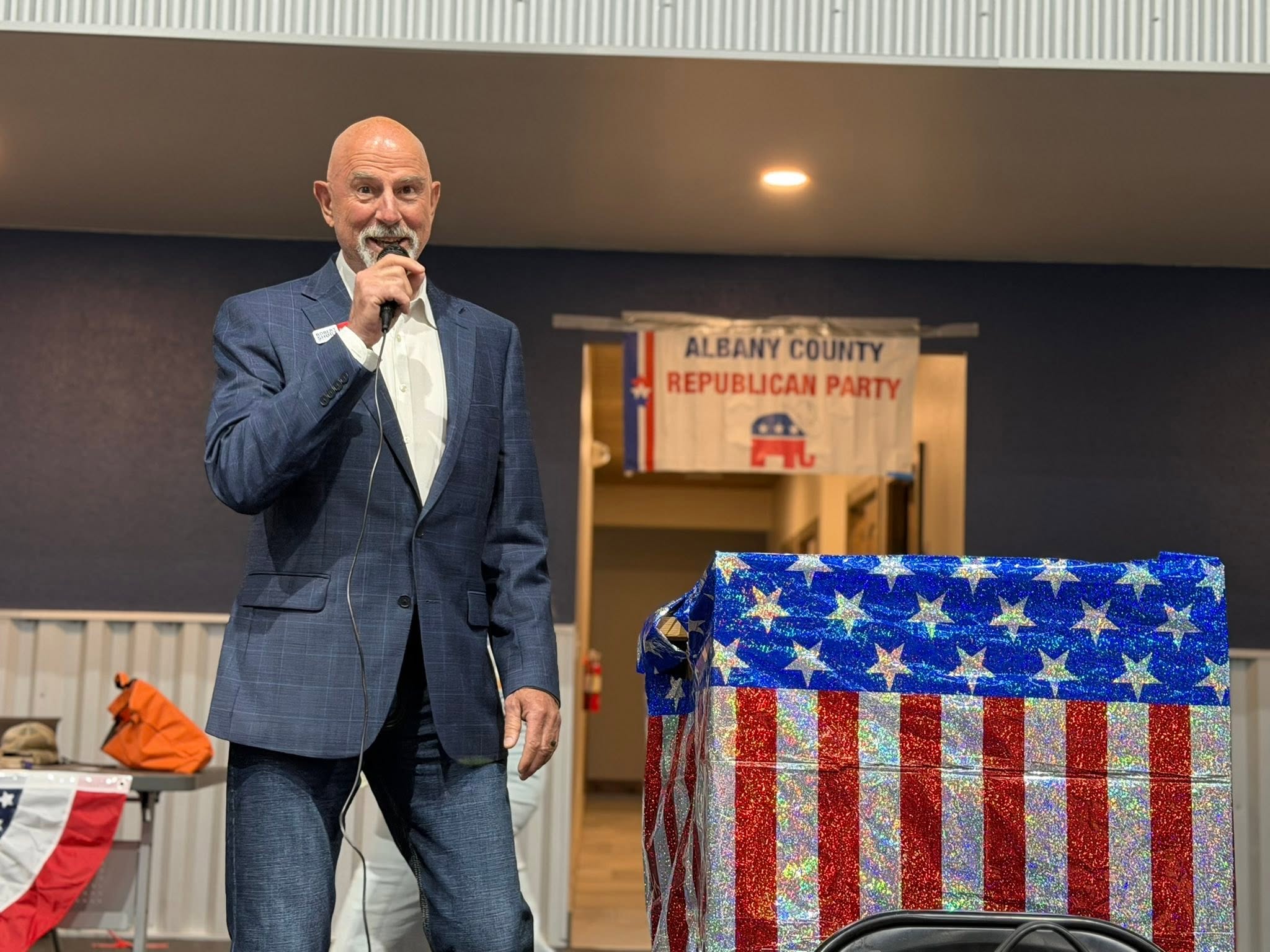
Short told Bolts he supports “whatever we can do to make voter registration and access to the ballot easier.”
Short now faces Democrat Bryan McCarty, who is making the case that voters should reject Republican candidates due to Trump’s attacks on democracy; Short is favored in this deeply red state. The winner will replace Chuck Gray, an election denier who pushed for harsh new restrictions during his one term in office and who is now running for a congressional seat.
What about the 15 other states?
In nine states, voters will elect their chief elections official in 2027 (Kentucky, Louisiana, and Mississippi) or 2028 (Missouri, Montana, Oregon, Utah, Washington, and West Virginia).
In Delaware, North Carolina, and Tennessee, the elections officials will be chosen after the 2028 elections by whomever wins other state offices—the governor, the auditor, and the legislature, respectively. And in New Jersey and Virginia, the next choice will come down to whomever wins the governorship in 2029.
In Hawaii, finally, elections are overseen by a director appointed by a bipartisan commission; the sitting director’s term ends in early 2028 but no board member’s term is due to expire before then.
Correction (Oct. 14): This article has been corrected to better characterize the disciplinary action that the Arizona State Bar took against Alexander Kolodin in 2023, and to reflect that a Republican candidate qualified via a write-in bid in Massachusetts.
Sign up and stay up-to-date
Get timely updates about pressing stories and elections.
Support us
Bolts is a non-profit newsroom that relies on donations, and it takes resources to produce this work. If you appreciate our value, become a monthly donor or make a contribution.